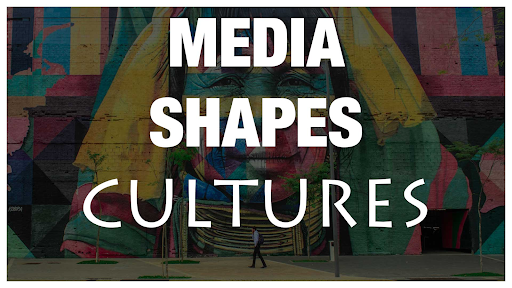
The cultural aspect of the internet has gained power among the factors influencing people’s thoughts, behaviors, and daily choices. In contrast to the past, when the internet was primarily a communication tool, now it is a dynamic cultural engine. With a majority of the forces coming from social media, online communities, and trends that spread through the digital world, and even affect the non-digital one. For a person, a firm, or a government to reap the benefits of their connection-building and relationship-making efforts. They must first comprehend the power of online culture in affecting offline choices.
The Rise of Online Culture
Online culture can be defined as the common behaviors, language, norms, and values that occur online. Instagram, TikTok, X, LinkedIn, and forums are some of the social media platforms that have built global communities for ideas to go viral. People have started to see social issues, brands, careers, and even personal identity through memes, hashtags, influencers, and trending conversations.
The digital culture is interactive, unlike traditional media. The users are not just content consumers; they take up the role of creators, critics, and contributors. This kind of interaction, which is ever-present, leads to quick cultural changes and makes the internet trends a very strong influence on real-life decisions.
Influence on Consumer Behavior
Consumer behavior is one of the brightest examples of online culture influencing the decision-making process in real life. Purchasing decisions are highly influenced by reviews, recommendations by influencers, viral video content, and user-created content. To purchase a product or service, individuals tend to check online ratings, view unboxing videos, or ask social media for their opinion.
When brands comprehend the online culture, they are able to build stronger interactions with their audience through being authentic. Brands that are in tune with the digital trends, the values, and the expectations of the community are more trusted and preferred. Conversely, companies that do not pay attention to online conversations may suffer from a decrease in their importance in a digital market that is getting more and more digital.
Shaping Social and Political Views
The culture of online forms a significant influence on social and political opinion as well. Online activism, hashtag movements, and viral campaigns affect the interactions that people have with various issues like climate change, mental health, equality, and public policy. The digital conversations can be translated into physical acts in most cases, such as voting, protests, donations, as well as lifestyle changes.
Since the online can give multiple voices a platform, it can be used to create awareness and break the established narrative. They are also, however, capable of enhancing misinformation. This twofold impact makes digital literacy a necessity in the process of dealing with online culture and making informed decisions in the real world.
Impact on Career and Professional Choices
The digital culture is playing a bigger role than ever before in determining career paths and making professional choices. Career advice, successes, and professional practices are being shown through LinkedIn, YouTube, and TikTok.The digital community has brought to light among the most discussed trends teleworking, self-promotion, and entrepreneurship, only to name a few.
Doing a lot in online communities, practitioners would be able to establish even more fruitful relationships with their peers, superiors, and potential hires. Networking is not limited to attending events; on the contrary, online presence and engagement are the primary contributors to one’s career advancement.
Online Communities and Personal Identity
Many people get a sense of belonging and identity through online communities. People can support and be validated online, be it through gaming groups, creative forums, or social networks that have an interest. These societies determine decisions in real life concerning hobbies, education, way of life, and even in relation to relationships.
The Internet, as a medium of communication that allows individuals to understand and connect, also makes them more susceptible to the practices and opinions that are endorsed by their online friends. This social support emphasizes the power of online culture in affecting the choice of a person outside the screen.
The Significance of Realistic Interaction
In order to manoeuvre the online culture, authenticity is important. People and institutions have to interact reasonably, be good listeners, and act openly. In such a way, they will be able to establish more robust interactions to gain trust and engagement in the long run.
Instead of merely riding the wave, the digital players who succeed in the sphere are aware of the values that drive the online discussion. This will enable them to make sound decisions and impact people positively on the Internet and in real life.
Conclusion
The online culture is closely connected to real-world decision-making. Digital interactions have an overwhelming influence on daily life through the way people buy and the career paths they follow, to social ideologies and personal identities. When individuals and organizations learn and interact with online culture responsibly, they will be able to develop stronger relationships, make improved choices, and have significance beyond the cyber environment.