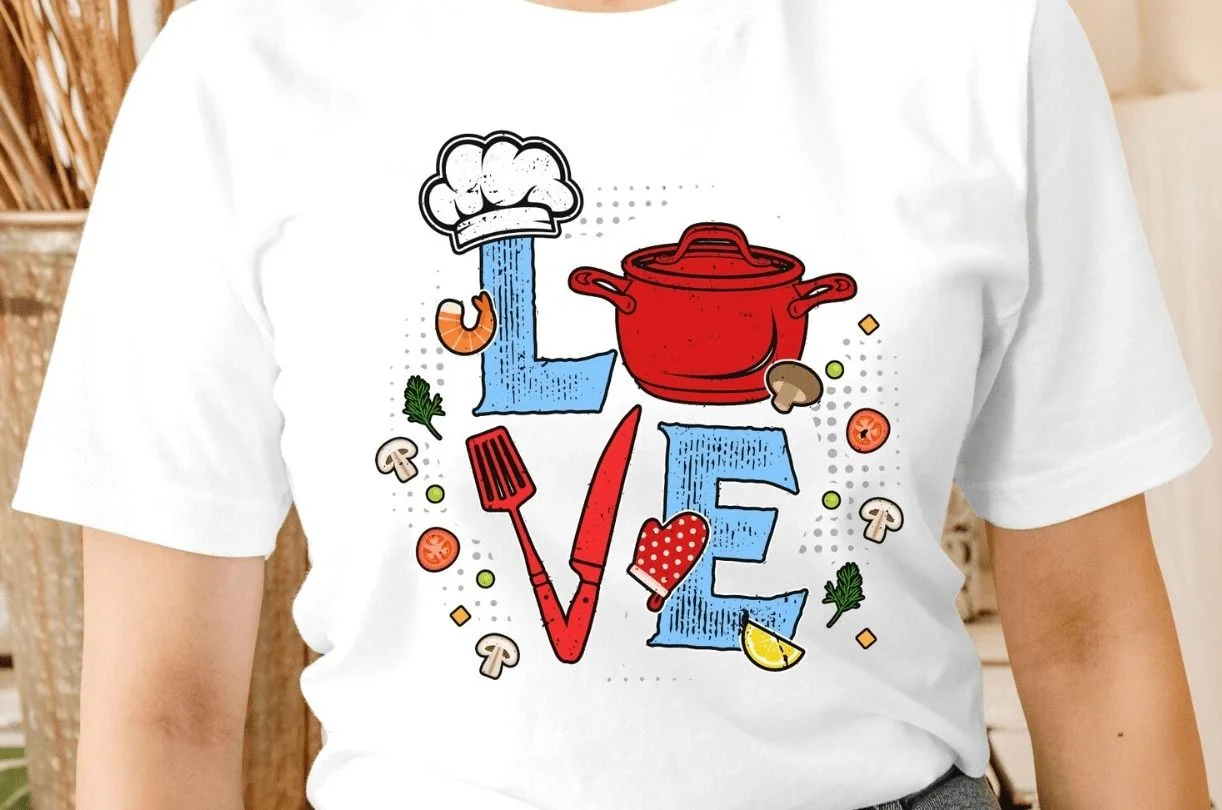
Customizing clothing and accessories has grown tremendously as a popular hobby and small business opportunity. Individuals and professionals alike are exploring ways to create unique designs that reflect personality and style. The versatility of modern materials enables crafters to produce professional-looking results with minimal experience. Mastering the right tools and techniques ensures that designs remain durable and visually appealing, elevating even simple projects into standout creations. Understanding fabric behavior, heat application, and material compatibility is essential for achieving long-lasting results.
Exploring Different Vinyl Materials
Different vinyl types are available to suit a wide range of applications. Heat-applied materials adhere to fabrics with controlled temperature and pressure, while adhesive-backed options are convenient for other surfaces. Selecting the proper type ensures longevity and prevents peeling or fading. Beginners often start with basic single-color sheets before experimenting with multi-layered or specialty designs. Each type of vinyl offers unique effects, including texture, flexibility, and finish, which enhance the visual impact of finished projects.
Essential Tools for Vinyl Applications
Using the right tools significantly improves the quality of custom designs. Cutting machines, precision knives, and heat application devices contribute to clean, accurate patterns. Heat-based machines allow precise temperature and pressure application to avoid errors. Proper understanding of material specifications and tool settings ensures optimal adhesion without damage. Practice is necessary to master the combination of timing, heat, and pressure required for various vinyl types and fabric surfaces.
Techniques for Smooth Application
Achieving a flawless vinyl application requires proper surface preparation and technique. Testing on scrap fabrics before working on final projects prevents mistakes. Proper layering, sequencing, and pressure adjustments enhance both visual and functional results. Clean surfaces free of dust, oils, or moisture improve adhesion and reduce the chance of bubbles or peeling. These precautions ensure consistent, professional-quality outcomes that are durable over time.
Common Mistakes to Avoid
Even experienced crafters sometimes encounter challenges. Excessive heat or pressure can distort the design, while insufficient heat leads to weak adhesion. Ignoring manufacturer recommendations for temperature, timing, or pressure often results in flawed results. Improper storage of vinyl can also reduce quality and effectiveness. Learning from mistakes and adjusting techniques gradually improves skill and ensures reliable outcomes across different projects.
Working with HTVRONT Heat Transfer Vinyl
HTVRONT heat transfer vinyl is highly popular for its ease of use, flexibility, and ability to produce vibrant, long-lasting designs. This vinyl adheres effectively to various fabrics, making it suitable for t-shirts, hoodies, hats, and more. It allows precise cuts for intricate designs and remains durable after repeated washes. Understanding the properties of HTVRONT heat transfer vinyl, such as thickness, elasticity, and adhesion requirements, ensures professional results without damaging the base fabric.
Using a Heat Press for Professional Results
A heat press is essential for achieving uniform heat and pressure across the entire design, ensuring proper adhesion. Unlike manual methods, a heat press provides consistent results and reduces mistakes such as bubbling or uneven transfer. Learning the correct settings for temperature, time, and pressure is critical when using HTVRONT heat transfer vinyl. Practicing on test fabrics allows crafters to build confidence and ensures the final design is smooth and long-lasting.
Combining Vinyl Types for Unique Designs
Crafters can combine multiple types of vinyl to create layered, textured, or multicolor designs. Printable vinyl offers a different approach, allowing full-color designs and custom images to be transferred to fabrics. Layering HTVRONT heat transfer vinyl with printable vinyl expands creative possibilities, producing unique and durable outcomes. Proper sequencing and pressure adjustments are necessary to prevent misalignment, peeling, or distortion. These methods allow for high-quality, professional-looking projects suitable for personal or commercial use.
Maintenance of Tools and Materials
Maintaining both tools and materials is critical to ensure consistent performance. Vinyl should be stored in a dry, dust-free environment, while cutting tools must be kept sharp. Surfaces should be cleaned prior to application, and heat presses maintained for even pressure and temperature distribution. Following these maintenance steps prolongs the life of the tools and ensures consistent, high-quality results for every project.
Creative Applications for Vinyl Projects
Vinyl can be applied to numerous creative projects, from personalized apparel to home décor items and custom gifts. HTVRONT heat transfer vinyl provides vibrant, durable results, while printable vinyl allows for full-color designs with detailed images or patterns. Using both types of materials allows crafters to explore unlimited design possibilities, combining textures, colors, and finishes to enhance the visual impact. Professional-quality applications are achievable with careful planning, preparation, and attention to technique.
Tips for Beginners
New crafters should start with smaller projects to develop confidence and experience with different vinyl types. Understanding the appropriate temperature, pressure, and timing for each material reduces frustration and improves results. Practicing on scrap fabrics and observing tutorials helps beginners grasp the properties of HTVRONT heat transfer vinyl and printable vinyl. Gradual progression from simple designs to complex projects builds both skill and creativity, preparing crafters for larger, professional-level work.
Advanced Techniques to Explore
Experienced crafters can experiment with combining HTVRONT heat transfer vinyl and printable vinyl to create layered, multidimensional designs. Using textured, metallic, or specialty vinyl enhances aesthetic appeal. Learning to adjust pressure, temperature, and sequencing is critical when applying multiple layers to ensure long-lasting, smooth designs. Mastering these advanced techniques enables crafters to produce professional-quality apparel and custom products that stand out.
Safety Considerations
Working with heated tools and adhesive materials requires careful attention to safety. Following guidelines prevents burns, damage, or injury. Maintaining a clean workspace, using protective equipment, and ensuring proper ventilation are essential practices. Awareness of the heat press settings and the behavior of each vinyl type reduces risk and ensures smooth project execution.
Troubleshooting Common Issues
Even skilled crafters face challenges such as peeling, bubbling, or uneven adhesion. Identifying whether temperature, pressure, or vinyl type is the cause is crucial to resolving problems. Adjusting heat press settings and properly sequencing layers typically corrects most issues. Understanding how HTVRONT heat transfer vinyl interacts with different fabrics and materials ensures consistent, durable results across various applications.
Staying Updated with Trends
Following trends in vinyl crafting helps inspire creativity and introduces new materials, textures, and techniques. Printable vinyl, specialty vinyl, and innovative heat application methods continually expand possibilities for crafters. Exploring these trends ensures projects remain relevant, visually appealing, and professionally executed. Engaging with crafting communities and tutorials also provides valuable tips for mastering advanced techniques.
Benefits of Vinyl Crafting
Vinyl crafting combines creativity with functionality, allowing individuals to produce personalized, professional-quality products. HTVRONT heat transfer vinyl and printable vinyl provide versatility, durability, and vibrant results. Using a heat press ensures consistent application and reduces errors. These materials allow crafters to produce unique designs that are both visually striking and long-lasting, whether for personal enjoyment or commercial purposes.
Preparing for Larger Projects
Scaling designs requires careful planning and preparation. Adjusting heat press settings, sequencing layers, and testing sample sections ensures consistent, high-quality results. Organizing materials, maintaining a clean workspace, and understanding the properties of each vinyl type prevents errors during application. Proper planning and technique allow for professional-quality results on larger, more complex projects.
Conclusion
Customizing apparel and other items with vinyl offers endless creative possibilities. By mastering HTVRONT heat transfer vinyl, using a heat press, and incorporating printable vinyl, crafters can achieve professional, vibrant, and durable results. Careful planning, attention to technique, and understanding material properties ensure every project succeeds. Personalized vinyl creations combine artistic expression with practical function, making them essential for hobbyists and professionals alike.
READ ALSO: Hoodie Mockup That Sells: A High-Converting Design Template for Print-on-Demand Brands