
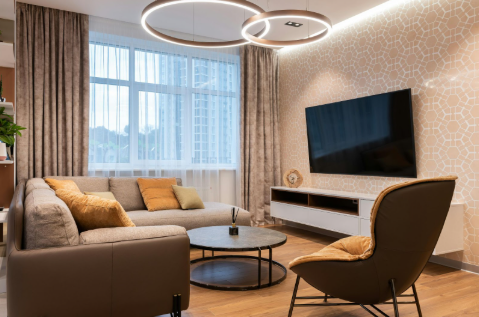
Walk into a beautifully designed home, and you’ll notice something beyond the furniture and finishes—it feels right. That feeling is often the result of intentional lighting. A well-lit room does more than illuminate; it shapes how a space is experienced. Yet lighting remains one of the most overlooked elements in home renovation.
That’s exactly where professional lighting design services make a difference.
Why Lighting Matters More Than You Think
Light influences mood, productivity, and how we perceive the size and warmth of a room. Harsh overhead lighting can make a cozy bedroom feel clinical. Dim, poorly placed fixtures can make a spacious kitchen feel cramped. The right lighting, on the other hand, can make an ordinary room feel extraordinary.
Beyond aesthetics, lighting affects daily function. A home office needs clarity and focus. A dining room calls for warmth. A bathroom requires precision. Each space has unique needs that generic lighting solutions simply can’t meet.
The Case for Professional Lighting Design Services
DIY lighting decisions often follow the same pattern: pick a fixture you like, install it where the previous one was, and hope for the best. Professional lighting design services take a completely different approach.
A lighting designer evaluates how natural light moves through your home throughout the day, identifies the purpose of each room, and creates a layered plan that serves both function and beauty. The result is a home that works harder for the people living in it.
Professionals also help you avoid costly mistakes—like over-lighting a room, purchasing incompatible fixtures, or missing opportunities to highlight architectural details that give your home character.
The Three Layers of a Well-Lit Home
Skilled designers work with three core lighting layers:
- Ambient lighting provides the base layer of illumination—ceiling lights, recessed fixtures, or chandeliers that fill a room with general light.
- Task lighting targets specific activities, such as under-cabinet lights in the kitchen or reading lamps beside a bed.
- Accent lighting adds drama and depth, drawing attention to artwork, shelving, or structural features like exposed brick or coffered ceilings.
Balancing all three layers is what separates a professionally designed space from one that simply has lights in it.
Smart Lighting and Energy Efficiency
Modern lighting design services go beyond bulbs and fixtures. Today’s designers integrate smart home automation systems that let you control brightness, color temperature, and timing from your phone or voice assistant.
Beyond convenience, smart lighting reduces energy consumption. Automated dimming, motion sensors, and scheduled routines ensure lights are only on when needed—lowering your electricity bills without any extra effort. For homeowners building or renovating, this integration is far easier to plan from the start than to retrofit later.
How to Choose the Right Lighting Designer
Not all lighting professionals are the same. When evaluating candidates for your home project, consider the following:
- Portfolio: Review past residential projects to assess their range and style.
- Credentials: Look for membership in recognized design associations or certifications in lighting design.
- Collaboration: A good designer listens. They should ask about how you use each space before recommending solutions.
- Technology familiarity: Ensure they have experience with smart systems if automation is a priority for you.
Asking for references from past clients is also a smart step. Lighting is deeply personal, and you want someone who respects your vision while bringing genuine expertise to the table.
Elevate Your Home With the Right Expertise
Lighting is one of the few elements in a home that touches everything—comfort, safety, style, and energy use. Investing in professional lighting design services isn’t a luxury reserved for high-end builds; it’s a practical decision that pays off in how your home looks, functions, and feels every single day.
If you’re planning a renovation or building a custom home, bring a lighting designer into the conversation early. The earlier they’re involved, the more seamlessly their work integrates with everything else—and the better your results.