The wellness industry has witnessed a surge of interest in glucagon-like peptide-1 (GLP-1) supplement drinks, driven by emerging research into metabolic health and appetite regulation. These beverages represent a non-pharmaceutical approach to supporting the body’s natural hormonal processes, offering an alternative for individuals seeking to manage weight and improve metabolic function without prescription medications.
GLP-1 is a naturally occurring hormone produced in the intestinal tract that plays a fundamental role in glucose metabolism and satiety signaling. By incorporating compounds that support or mimic this hormone’s activity, supplement drinks aim to provide similar benefits through a convenient, accessible format. This article examines the science behind GLP-1 supplement drinks, their potential applications, and practical considerations for those exploring this category of wellness products.
The Science Behind GLP-1 and Metabolic Function
Glucagon-like peptide-1 functions as an incretin hormone, released by intestinal cells in response to food intake. Its primary mechanisms include stimulating insulin secretion from pancreatic beta cells, inhibiting glucagon release, and slowing gastric emptying. These coordinated effects help regulate postprandial blood glucose levels while extending the sensation of fullness after meals.
The metabolic implications extend beyond simple appetite suppression. Research published in Nature Reviews Endocrinology has documented GLP-1’s influence on energy expenditure, lipid metabolism, and even cardiovascular function. The hormone’s multi-system effects explain why pharmaceutical GLP-1 receptor agonists have gained traction not only for diabetes management but also for weight reduction in clinical settings.
For individuals without diabetes, maintaining optimal GLP-1 activity through dietary and supplemental approaches may support metabolic health. The body’s natural GLP-1 response can be influenced by factors including meal composition, fiber intake, and gut microbiome health—areas where targeted supplementation may offer benefits.
How Supplement Drinks Differ from Pharmaceutical Approaches
Unlike prescription GLP-1 receptor agonists such as semaglutide or tirzepatide, supplement drinks do not contain synthetic hormone analogs. Instead, they typically incorporate botanical extracts, amino acid precursors, and compounds that may support the body’s endogenous GLP-1 production or enhance receptor sensitivity.
Key distinctions include:
- Mechanism of action: Supplements work through nutritional support rather than direct receptor activation, resulting in more subtle effects
- Regulatory status: These products fall under dietary supplement regulations rather than pharmaceutical oversight
- Accessibility: No prescription required, making them available to a broader population
- Side effect profile: Generally milder than pharmaceutical options, though individual responses vary
- Cost considerations: Typically less expensive than prescription medications, which can exceed several hundred dollars monthly
The FDA’s position on dietary supplements clarifies that these products are not intended to diagnose, treat, cure, or prevent disease—an important distinction when evaluating marketing claims. Consumers should approach supplement drinks as supportive tools within a comprehensive wellness strategy rather than pharmaceutical replacements.
Comparing Delivery Methods: Drinks Versus Injectable Formulations
The choice between oral supplement drinks and injectable pharmaceutical GLP-1 agonists involves weighing several practical and physiological factors. Injectable medications deliver synthetic hormone analogs directly into subcutaneous tissue, bypassing digestive degradation and achieving predictable blood concentrations.
Oral supplement drinks face different challenges:
- Bioavailability concerns: Active compounds must survive gastric acid and first-pass metabolism
- Absorption variability: Individual digestive differences affect uptake consistency
- Onset timing: Effects develop more gradually compared to injected medications
- Convenience factor: No needles or injection technique required, improving adherence for needle-averse individuals
Natural Ingredients That Support GLP-1 Activity
Formulations marketed as natural GLP-1 drinks typically combine several categories of ingredients, each with distinct mechanisms for supporting metabolic function and satiety.
Common components include:
- Berberine: An alkaloid compound that has demonstrated effects on glucose metabolism and may influence GLP-1 secretion through gut microbiome modulation
- Fiber sources: Soluble fibers like glucomannan and psyllium husk slow gastric emptying and stimulate GLP-1 release from intestinal L-cells
- Protein hydrolysates: Specific amino acid sequences can trigger incretin hormone secretion when they reach the small intestine
- Polyphenol extracts: Compounds from green tea, cinnamon, and other botanicals may enhance insulin sensitivity and support healthy blood sugar responses
- Chromium and minerals: Trace elements involved in carbohydrate metabolism and insulin signaling pathways
The efficacy of these ingredients varies considerably based on dosage, formulation quality, and individual physiology. Products emphasizing whole-food sources and clinically studied extracts generally offer more reliable results than proprietary blends with undisclosed ingredient quantities.
Managing Sugar Cravings Through Metabolic Support
One of the most commonly cited benefits of GLP-1-focused supplementation involves reduced sugar cravings. This effect stems from multiple mechanisms: improved blood glucose stability reduces reactive hypoglycemia that triggers cravings, while enhanced satiety signaling decreases hedonic eating impulses.
Complementary strategies for craving management include:
- Chromium picolinate: May improve insulin sensitivity and reduce carbohydrate cravings in some individuals
- L-glutamine: An amino acid that can provide quick energy to the brain, potentially reducing sugar-seeking behavior
- Gymnema sylvestre: An herb traditionally used to reduce sweet taste perception and sugar absorption
- Balanced macronutrient intake: Adequate protein and healthy fats stabilize blood sugar and extend satiety between meals
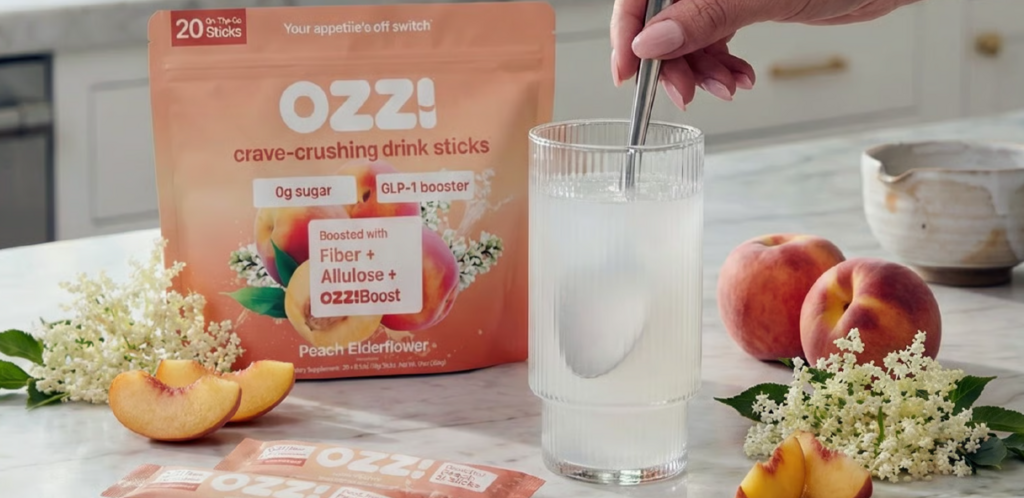
For those exploring supplement-based support alongside these dietary strategies, Ozzi, Supergut, and Pendulum Metabolics each offer formulations targeting the glucose-stability and satiety mechanisms described above.
Practical Integration into Daily Routines
Maximizing the potential benefits of GLP-1 supplement drinks requires strategic timing and consistent use. Unlike pharmaceutical interventions with rigid dosing schedules, these products offer more flexibility while still benefiting from thoughtful integration.
Evidence-based approaches include:
- Pre-meal timing: Consuming 15-30 minutes before meals may enhance satiety signals and reduce overall caloric intake
- Morning administration: Starting the day with metabolic support can set a positive tone for appetite regulation throughout waking hours
- Consistency over intensity: Daily use typically produces better results than sporadic high-dose consumption
- Hydration coordination: Adequate water intake supports fiber-based ingredients and overall metabolic function
- Meal composition awareness: Pairing supplements with balanced meals containing protein, fiber, and healthy fats amplifies their effects
Tracking subjective responses—energy levels, hunger patterns, craving intensity—helps individuals determine optimal timing and dosage within product guidelines. Most formulations require several days to weeks of consistent use before effects become noticeable, as they work through nutritional support rather than immediate pharmacological action.
Important Considerations Before Starting Supplementation
While GLP-1 supplement drinks are generally well-tolerated, several factors warrant careful consideration before incorporating them into a wellness regimen.
Critical evaluation points include:
- Medical conditions: Individuals with diabetes, gastrointestinal disorders, or metabolic conditions should consult healthcare providers before use, as ingredients may interact with disease processes or medications
- Medication interactions: Some supplement ingredients can affect drug absorption or metabolism, particularly for diabetes medications, blood thinners, and thyroid hormones
- Pregnancy and lactation: Safety data for many ingredients remains limited in these populations, warranting caution
- Realistic expectations: Supplements support but do not replace fundamental lifestyle factors like nutrition quality, physical activity, and sleep
- Quality verification: Third-party testing for purity and potency provides assurance that products contain stated ingredients without contaminants
The supplement industry’s self-regulatory nature means product quality varies significantly. Seeking formulations from companies that invest in clinical research, transparent labeling, and third-party verification reduces the risk of ineffective or adulterated products. Consumers should approach marketing claims with healthy skepticism, prioritizing products with substantiated ingredient dosages and realistic benefit descriptions.
GLP-1 supplement drinks represent an evolving category within metabolic wellness, offering a non-pharmaceutical approach to supporting natural hormonal processes. While they cannot replicate the potency of prescription medications, they may provide meaningful support for individuals seeking to optimize appetite regulation, manage cravings, and support metabolic health through nutritional means. As with any wellness intervention, informed decision-making, realistic expectations, and integration within a comprehensive health strategy yield the best outcomes.
READ ALSO: The Case for Natural Lubricants in Personal Wellness