Fleet garages are demanding environments. Vehicles come and go throughout the day, tools are in constant use, and the workspace needs to be practical, safe, and well-lit. Choosing the right materials for glazing, partitions, and overhead panels can make a real difference to how the space functions. Read further to find out whether a polycarbonate sheet is worth considering for your fleet garage.
What Is a Transparent Polycarbonate Sheets?
Polycarbonate is a robust, lightweight plastic used widely across construction, engineering, and industrial settings. It’s available in various thicknesses and can be ordered in custom sizes to suit specific projects.
The transparent polycarbonate sheet variant is especially useful where natural light matters. It allows daylight to pass through while offering far greater impact resistance than standard glass. For a busy garage environment where knocks and heavy equipment are part of the daily routine, that extra toughness will count for a lot.
Why Fleet Garages Benefit From It
Fleet garages often run long hours, and good natural lighting helps mechanics work more accurately and comfortably. Fitting polycarbonate panels into rooflights or side glazing will allow daylight to flood the workspace, which can reduce reliance on artificial lighting during daytime hours.
The material is also considerably lighter than glass, making it easier to handle and install. In large garages with high ceilings or awkward access, this can save time and reduce installation costs. It can be cut, drilled, and shaped using standard tools, which makes it a flexible option for both new builds and retrofit projects.
Key Properties to Be Aware Of
Before specifying polycarbonate for a fleet garage, it’s worth knowing its core characteristics:
- Impact resistance: Polycarbonate is many times stronger than glass of the same thickness, making it well-suited to high-traffic work areas.
- UV protection: Many grades include a UV-stabilised coating that helps prevent yellowing over time.
- Lightweight: Much easier to handle on-site than glass panels of a similar size.
- Temperature tolerance: It performs consistently through cold winters and warmer spells.
- Workability: It can be cut and drilled without specialist equipment.
Potential Drawbacks to Consider
Polycarbonate does have limitations. It can scratch more easily than glass, so if panels will be regularly cleaned with abrasive materials or handled frequently, this is worth factoring into your decision.
It also expands and contracts with changes in temperature. Fixings and frames need to allow for this movement. If you don’t account for it during installation, panels can warp or become loose over time. Careful planning at the outset will help you avoid problems down the line.
Common Applications in Fleet Garage Settings
Polycarbonate sheet suits a range of uses within a fleet garage. Rooflights and skylights are one of the most common, bringing natural daylight into deep or wide workshop spaces. It’s also used for internal partitions between work areas and office sections, as well as for glazing above inspection pits or tool storage areas.
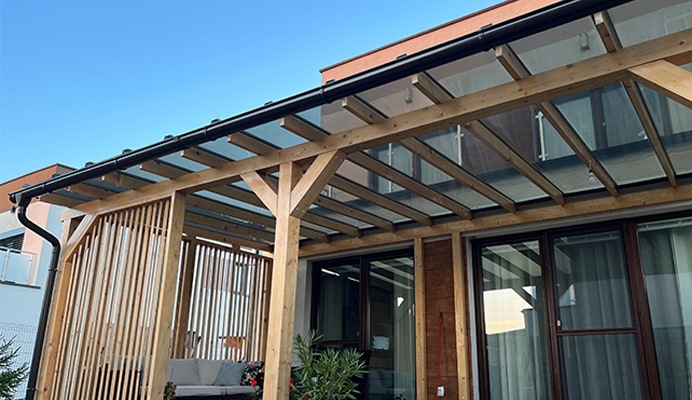
Outdoor canopy panels and vehicle bay shelters are another practical application, where the material’s weather resistance and light weight make it a sensible fit. In areas where you need visibility but also some level of security screening, polycarbonate holds up well.
Winding Down
For many UK fleet operators, polycarbonate sheets will be a strong choice. Its combination of strength, light transmission, and ease of installation makes it well-suited to the demands of a working garage environment.
The key is thinking carefully about where it will go and what it’ll be exposed to. If you need cut-to-size panels or specific thicknesses, sourcing from a supplier who can accommodate those requirements will make the whole process much simpler.