Introduction
Stem cell research has emerged as one of the most groundbreaking developments in modern healthcare, offering new hope for treating complex medical conditions. Understanding Stem Cell Overview and Definition is essential for anyone interested in regenerative medicine and its growing role in advanced treatments. Medical institutions such as Liv Hospital continue to lead innovation in stem cell therapies, helping patients access advanced solutions for blood disorders, tissue repair, and immune system recovery.
What Are Stem Cells?
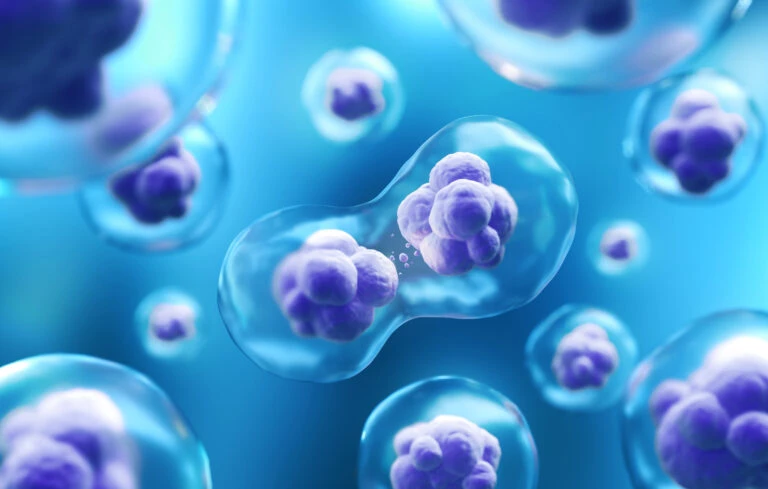
Stem cells are special cells in the human body with the unique ability to develop into different types of specialized cells.
Unlike ordinary cells that perform fixed functions, stem cells can:
✔ Divide and multiply
✔ Renew themselves over time
✔ Transform into specialized cells for repair and healing
These qualities make stem cells the foundation of regenerative medicine.
Key Characteristics of Stem Cells
1. Self-Renewal
Stem cells can replicate themselves for extended periods while maintaining their original properties.
2. Differentiation
They can develop into various specialized cells, including:
Blood cells
Bone cells
Muscle cells
Nerve cells
Skin cells
This ability enables the body to repair damaged tissues naturally.
Main Types of Stem Cells
Adult Stem Cells
Found in bone marrow, blood, and fat tissue, adult stem cells are commonly used in medical treatments.
Hematopoietic Stem Cells
These produce all blood cell types and are essential in treating blood-related disorders.
Mesenchymal Stem Cells
Known for repairing tissues such as cartilage, bone, and connective tissues.
Induced Pluripotent Stem Cells
Lab-created stem cells designed for research and advanced therapeutic applications.
Why Are Stem Cells Important?
Stem cells are transforming medicine because they target the root cause of disease rather than only managing symptoms.
- Major Medical Applications
- Bone marrow failure treatment
- Blood disorder therapies
- Immune system recovery
- Tissue regeneration
- Orthopedic repair
- Neurological research
Stem Cells and Bone Marrow Failure
Bone marrow failure occurs when the body cannot produce enough healthy blood cells.
Common Symptoms Include:
- Severe fatigue
- Frequent infections
- Easy bruising
- Uncontrolled bleeding
Shortness of breath
Stem cell transplantation helps restore healthy blood cell production and improves long-term patient outcomes.
The Future of Stem Cell Therapy
Stem cell medicine continues to evolve rapidly.
Researchers are exploring its potential for:
✔ Organ regeneration
✔ Chronic disease treatment
✔ Personalized medicine
✔ Advanced immune therapies
This field is expected to reshape modern healthcare in the coming years.
Conclusion
Stem cells represent one of the most promising breakthroughs in regenerative medicine.
Their ability to repair damaged tissues, restore body functions, and support healing makes them a revolutionary medical advancement.
As research continues, stem cell therapies will likely play an even greater role in improving patient care worldwide.