Introduction
The term Viltnemnda is commonly used in Norway to describe a local wildlife management committee responsible for overseeing wildlife conservation and sustainable hunting practices at the municipal level. The word comes from the Norwegian language, where vilt means wildlife and nemnda means committee. These committees play an important role in balancing environmental conservation with the needs of local communities.
As wildlife populations continue to change due to climate shifts, urban development, and human activities, local wildlife management has become increasingly important. Viltnemnda serves as a bridge between national wildlife laws and local implementation, helping ensure that ecosystems remain healthy while allowing sustainable use of natural resources.
What Is Viltnemnda?
Viltnemnda is a municipal wildlife committee established to manage local wildlife issues in accordance with Norwegian environmental regulations. It works with municipalities, landowners, hunters, conservation experts, and government agencies to protect wildlife populations and maintain ecological balance.
Although each municipality may organize its committee differently, the overall mission remains the same: ensuring responsible wildlife management while supporting biodiversity and sustainable hunting practices.
The Main Purpose of Viltnemnda
The primary purpose of Viltnemnda is to ensure that wildlife resources are managed responsibly and sustainably for future generations. The committee focuses on protecting natural habitats while allowing regulated hunting and population control where necessary.
Its work helps reduce conflicts between humans and wildlife while preserving Norway’s rich natural heritage. Through local decision-making, Viltnemnda ensures that wildlife policies match the unique environmental conditions of each municipality.
How Viltnemnda Supports Wildlife Conservation
Wildlife conservation is one of the committee’s most important responsibilities. Viltnemnda monitors local animal populations and helps maintain healthy ecosystems through scientific assessments and community cooperation.
The committee also supports habitat protection initiatives and encourages responsible land management practices that reduce environmental damage and protect native species from unnecessary threats.
Regulating Hunting Activities
One of the best-known responsibilities of Viltnemnda is regulating hunting activities within municipalities. Hunting is an important cultural tradition in Norway, but it must be carefully managed to prevent overharvesting.
Viltnemnda helps establish local hunting quotas, recommends hunting seasons, and ensures that wildlife populations remain sustainable. These decisions are generally based on population studies, environmental data, and conservation objectives.
Wildlife Population Monitoring
Accurate wildlife monitoring is essential for effective management. Viltnemnda works to collect information about local animal populations, migration patterns, breeding success, and habitat conditions.
This monitoring helps authorities make informed decisions regarding hunting limits, conservation measures, and future wildlife management strategies that benefit both animals and local communities.
Managing Human-Wildlife Conflicts
As cities expand into natural habitats, encounters between humans and wildlife have become more common. Animals may enter residential areas, damage crops, or create safety concerns for drivers and residents.
Viltnemnda plays an important role in addressing these situations by coordinating responses, recommending preventive measures, and helping reduce conflicts without causing unnecessary harm to wildlife whenever possible.
Responding to Injured Wildlife
Road accidents involving wild animals occur regularly in many regions. Viltnemnda often assists local authorities in handling injured or dead wildlife by coordinating inspections and appropriate responses.
These efforts ensure public safety while promoting humane treatment of animals and proper reporting of wildlife incidents for future monitoring and research.
Cooperation with Local Communities
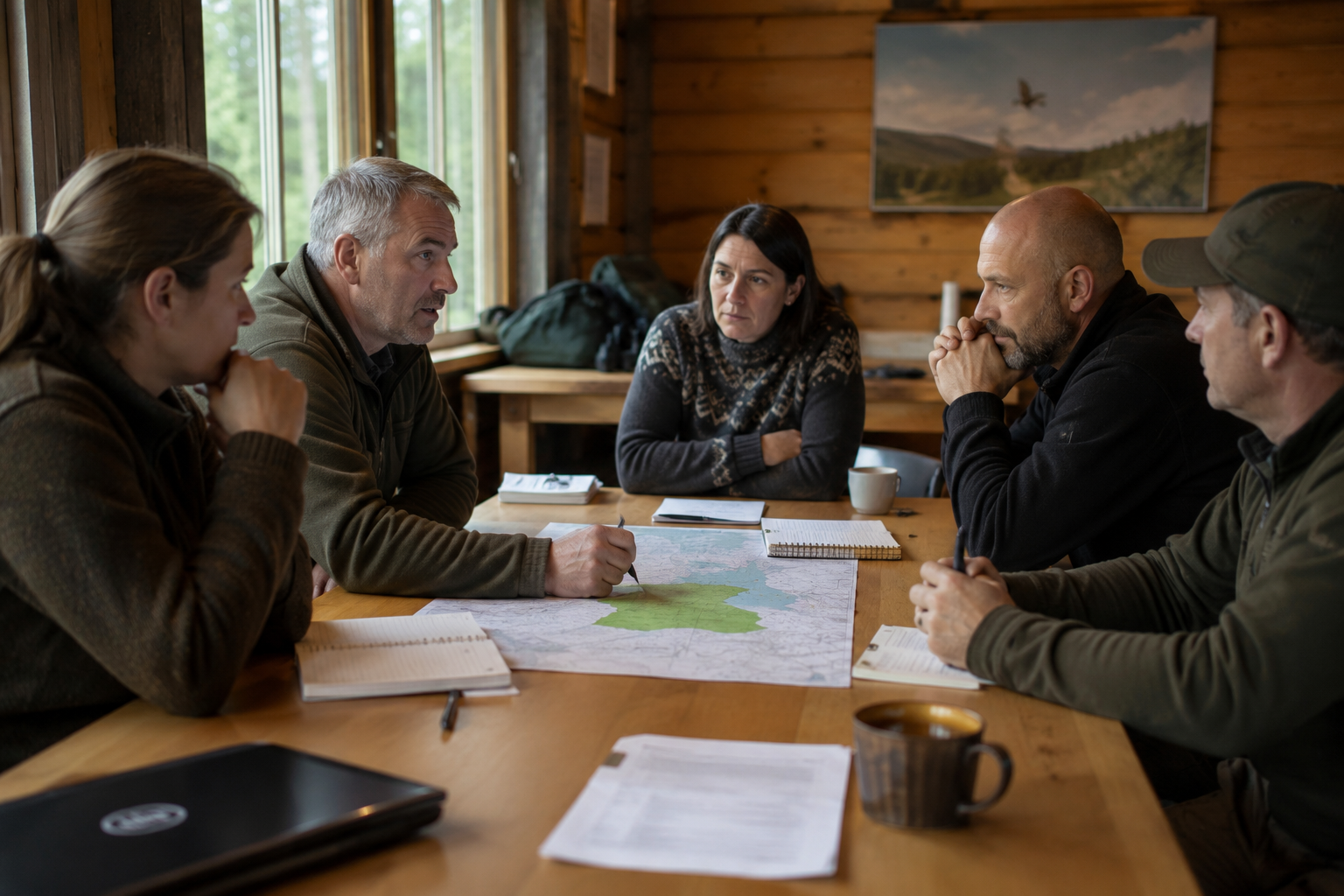
Successful wildlife management depends on cooperation between many different groups. Viltnemnda works closely with hunters, landowners, farmers, environmental organizations, and municipal authorities to develop practical wildlife management solutions.
This collaborative approach helps ensure that decisions reflect both scientific knowledge and local experience, creating more effective long-term conservation outcomes.
Decision-Making Process
Viltnemnda typically meets throughout the year to discuss wildlife issues affecting the municipality. Members review population data, environmental reports, public concerns, and recommendations from wildlife experts before making decisions.
The committee’s local knowledge allows it to address region-specific challenges while following national wildlife regulations and environmental policies.
Why Local Wildlife Committees Matter
Every municipality has unique landscapes, animal populations, and environmental challenges. A centralized management system may not always address these local differences effectively.
Viltnemnda allows local experts and community representatives to participate in wildlife management decisions that directly affect their region. This decentralized approach improves conservation efforts while supporting sustainable natural resource management.
Environmental Benefits of Viltnemnda
Healthy wildlife populations contribute to stronger ecosystems and greater biodiversity. By monitoring species and regulating hunting responsibly, Viltnemnda helps maintain ecological balance throughout Norway.
Its work also supports forest health, protects natural habitats, preserves native species, and contributes to long-term environmental sustainability that benefits both nature and society.
Challenges Facing Viltnemnda
Like many environmental organizations, Viltnemnda faces several modern challenges. Climate change, habitat fragmentation, invasive species, and increasing urbanization all create new pressures on wildlife populations.
Balancing conservation goals with agriculture, infrastructure development, and recreational activities requires careful planning and continuous adaptation to changing environmental conditions.
The Future of Viltnemnda
Technology is becoming increasingly important in wildlife management. GPS tracking, drones, camera monitoring systems, and digital reporting tools allow committees to gather better information and respond more efficiently to wildlife issues.
As environmental awareness grows, Viltnemnda will likely continue evolving by incorporating new scientific methods while maintaining its strong foundation in local decision-making and sustainable resource management.
Conclusion
Viltnemnda represents an important part of Norway’s local wildlife management system. Through conservation efforts, hunting regulation, population monitoring, and conflict resolution, these committees help maintain a healthy balance between human activity and natural ecosystems.
Their local knowledge and collaborative approach make them valuable contributors to biodiversity protection and sustainable environmental management. As environmental challenges continue to evolve, Viltnemnda will remain an essential institution for preserving wildlife and ensuring responsible stewardship of Norway’s natural resources.