
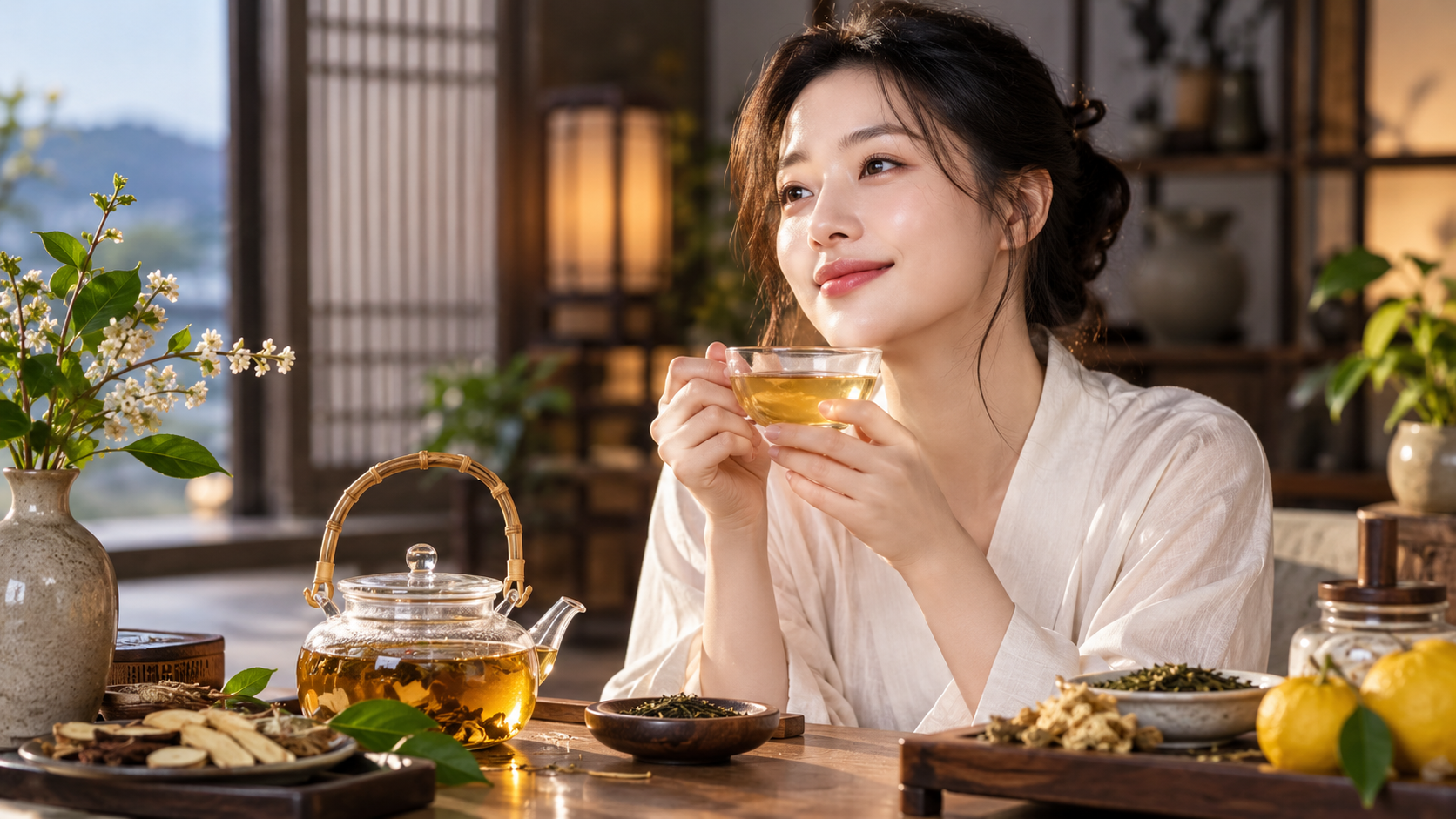
The beauty world is constantly discovering new ways to connect skincare, nutrition, and everyday wellness. One trend that has attracted attention online is korean retinol tea, a phrase that sounds like it describes a beverage containing retinol. However, the reality is more interesting: the term generally refers to a modern beauty and wellness concept involving antioxidant-rich teas and botanicals rather than an actual tea containing cosmetic retinol.
Understanding what this drink actually contains is important because retinol is a vitamin A derivative most commonly used in topical skincare. Drinking a tea made from herbs and fruits is not equivalent to applying retinol to the skin, and there is currently no established evidence that a particular tea can reproduce the proven effects of topical retinoids. Still, many of the ingredients associated with the trend can be nutritious additions to a balanced diet.
What Is Korean Retinol Tea?
Korean retinol tea is not a standardized traditional Korean tea or a medically recognized treatment. Instead, it is a contemporary wellness term used online for herbal and botanical tea blends associated with healthy-looking skin. Recipes can vary considerably, which means there is no single official ingredient list or preparation method.
The name can also be misleading. Actual retinol is not normally an ingredient in these herbal drinks. Some recipes feature ingredients containing antioxidants or carotenoids, including beta-carotene, which the body can convert into vitamin A. That is biologically different from consuming retinol itself and very different from using a topical retinoid.
Does Korean Retinol Tea Actually Contain Retinol?
Generally, no. The term “retinol tea” should not be interpreted literally as tea containing cosmetic-grade retinol. Modern recipes associated with the trend commonly use botanical ingredients such as green tea, persimmon leaves, mugwort, ginseng, jujube, goji berries, chrysanthemum, rose petals, and ginger.
This distinction matters because topical retinol has specific effects on skin biology. Dermatology sources recognize retinoids as vitamin A-based compounds that can influence cell turnover and help with concerns such as acne, uneven pigmentation, fine lines, and wrinkles. A beverage containing plant compounds does not automatically produce the same effects.
Common Ingredients in Korean Retinol Tea
Because there is no standardized formula, ingredients differ from one recipe to another. Green tea is one of the most commonly associated ingredients and is valued for its naturally occurring polyphenols and antioxidant compounds. It can provide a pleasant, refreshing base while contributing to overall dietary antioxidant intake.
Other popular ingredients include ginseng, ginger, jujube, goji berries, chrysanthemum, mugwort, persimmon leaves, and rose petals. Some provide aromatic qualities, while others contribute polyphenols, carotenoids, or other plant compounds. Goji berries, ginger, and jujube may also provide vitamin A precursors such as beta-carotene, depending on the quantity and preparation.
Potential Benefits for Skin
The main appeal of Korean retinol tea is its connection with the idea of supporting healthier-looking skin from within. A beverage made from plant ingredients may contribute useful nutrients and antioxidants to the diet, and maintaining adequate nutrition is important for normal skin function.
However, it is important not to overstate the evidence. There is no strong clinical evidence showing that a specific korean retinol tea formula reduces wrinkles, removes acne, or increases collagen in the same way that established topical retinoid treatments can. Retinoids have considerably stronger evidence for treating acne and certain signs of photoaging.
Antioxidants and Oxidative Stress
One reason these teas are attractive is their concentration of plant-based compounds. Green tea and various fruits, flowers, and herbs contain polyphenols and other antioxidant substances. Antioxidants help protect cells from oxidative damage caused by reactive molecules generated through normal metabolism and environmental exposures.
That does not mean that drinking antioxidant-rich tea will directly erase wrinkles or reverse sun damage. Skin aging is influenced by genetics, UV exposure, lifestyle, hormones, and many other factors. Tea can be part of a healthy lifestyle, but it should not be presented as a replacement for evidence-based skincare or sun protection.
The Role of Vitamin A and Beta-Carotene
Vitamin A is essential for normal vision, immune function, growth, reproduction, and cellular processes. The body obtains vitamin A from preformed vitamin A and provitamin A carotenoids such as beta-carotene.
This is where some of the confusion surrounding Korean retinol tea comes from. A tea containing ingredients with beta-carotene is not the same thing as a retinol product. The body regulates the conversion of provitamin A carotenoids, and the amount obtained from a particular drink depends on the ingredients and serving size.
Korean Retinol Tea vs. Topical Retinol
The difference between the two is significant. Topical retinol is applied directly to the skin and belongs to the retinoid family. Dermatologists commonly use retinoid products for acne, pigmentation concerns, uneven skin tone, and signs of photoaging. Retinoids can also stimulate processes associated with collagen production and skin-cell turnover.
Korean retinol tea, on the other hand, is a beverage. Its ingredients are consumed as food or drink rather than delivered directly to the skin as a retinoid. Therefore, it should be viewed as a wellness beverage rather than a substitute for a properly formulated retinol skincare product.
How to Prepare Korean Retinol Tea
Since there is no official recipe, preparation can be adapted according to the ingredients available. A simple version can use green tea as the base with small amounts of ingredients such as ginger, jujube, goji berries, or floral botanicals. The ingredients can be steeped in hot water and allowed to infuse before drinking.
For a gentler flavor, avoid making the mixture excessively concentrated. You can also drink it without added sugar or use a small amount of natural sweetener if desired. The goal should be to create an enjoyable herbal beverage rather than attempting to consume unusually large amounts of individual ingredients.
How Often Should You Drink It?
There is no scientifically established dosage or recommended schedule specifically for korean retinol tea because it is not a standardized medical product. A reasonable approach is to treat it like other herbal or green teas and consider the caffeine content if green tea is included.
More is not necessarily better. Increasing the concentration or frequency does not mean you will obtain greater skincare benefits. A balanced diet containing fruits, vegetables, whole grains, adequate protein, and healthy fats remains much more important for overall nutritional health than relying on one beauty-focused beverage.
Is Korean Retinol Tea Safe?
For most healthy adults, a conventional tea made from ordinary culinary ingredients is generally less concerning than concentrated vitamin or herbal supplements. However, safety depends on exactly what goes into the drink, how much is consumed, and an individual’s medications and health circumstances.
Vitamin A deserves particular attention because excessive intake of preformed vitamin A can be harmful. The U.S. National Institutes of Health lists a tolerable upper intake level of 3,000 micrograms RAE per day for adults for preformed vitamin A from food and supplements.
Importantly, beta-carotene from ordinary foods behaves differently from preformed vitamin A. However, concentrated beta-carotene supplements are not automatically harmless. Research has found increased lung-cancer risk associated with high-dose beta-carotene supplementation among smokers and certain people exposed to asbestos.
Who Should Be Careful?
Anyone who is pregnant, planning pregnancy, taking medications, or managing a medical condition should be cautious about concentrated vitamin A or herbal supplements. High doses of preformed vitamin A during pregnancy can be associated with birth defects, so vitamin A supplements should be discussed with a healthcare professional.
People who smoke or have previously smoked should also avoid casually using high-dose beta-carotene supplements. This warning concerns concentrated supplementation rather than ordinary foods naturally containing beta-carotene.
Can Korean Retinol Tea Replace Retinol Skincare?
No. This is probably the most important point to understand about the trend. Drinking an herbal tea does not provide the same topical delivery or evidence base as applying a properly formulated retinol or prescription retinoid.
The American Academy of Dermatology notes that topical retinoids can help with acne, pigmentation irregularities, fine lines, and wrinkles. They can also cause irritation and increase sensitivity to sunlight, which is why dermatologists generally recommend introducing them gradually and using appropriate sun protection.
Korean Retinol Tea and the Korean Beauty Philosophy
The popularity of Korean retinol tea fits into a broader interest in Korean beauty, where skincare is often viewed as part of a larger self-care routine. The modern trend combines interest in botanical beverages, nutrition, skincare, and the idea of supporting beauty from both inside and outside the body.
That philosophy can be useful when approached realistically. Hydration, adequate nutrition, sleep, sun protection, gentle cleansing, and a consistent skincare routine all have more practical significance than expecting one beverage to transform the skin.
What Does the Science Actually Say?
The strongest evidence concerns individual nutrients and established topical retinoids—not a standardized drink called Korean retinol tea. Research and dermatology guidance support the use of topical retinoids for several skin concerns, particularly acne and photoaging-related changes.
By contrast, claims that a particular herbal tea can “work like retinol,” dramatically increase collagen, eliminate wrinkles, or provide prescription-level acne treatment should be viewed skeptically unless supported by clinical trials on the actual product or formulation. At present, the term is better understood as a wellness trend than a proven dermatological treatment.
How to Get the Most From the Trend
If you enjoy korean retinol tea, the best way to approach it is as an enjoyable beverage that may contribute plant compounds and nutrients to an otherwise balanced lifestyle. Choose recognizable food-grade ingredients and avoid products that make exaggerated medical or anti-aging promises.
For actual skin concerns, combine healthy nutrition with evidence-based skincare. Daily sun protection is particularly important because ultraviolet exposure is a major contributor to premature skin aging. If you want to introduce a retinol product, starting with an appropriate formulation and using it correctly is more evidence-based than trying to obtain retinol effects through tea.
Final Thoughts
Korean retinol tea is an intriguing modern beauty trend, but its name can create confusion. It generally does not mean a beverage containing actual retinol. Instead, the phrase describes herbal and botanical tea blends featuring ingredients such as green tea, ginger, ginseng, goji berries, jujube, and other plant ingredients.
The drink may be a pleasant addition to a balanced wellness routine, but it should not be marketed as a replacement for topical retinoids. If your goal is healthier-looking skin, think of nutrition and tea as supporting players while proven skincare practices—especially sun protection and appropriately used dermatological treatments—remain central.