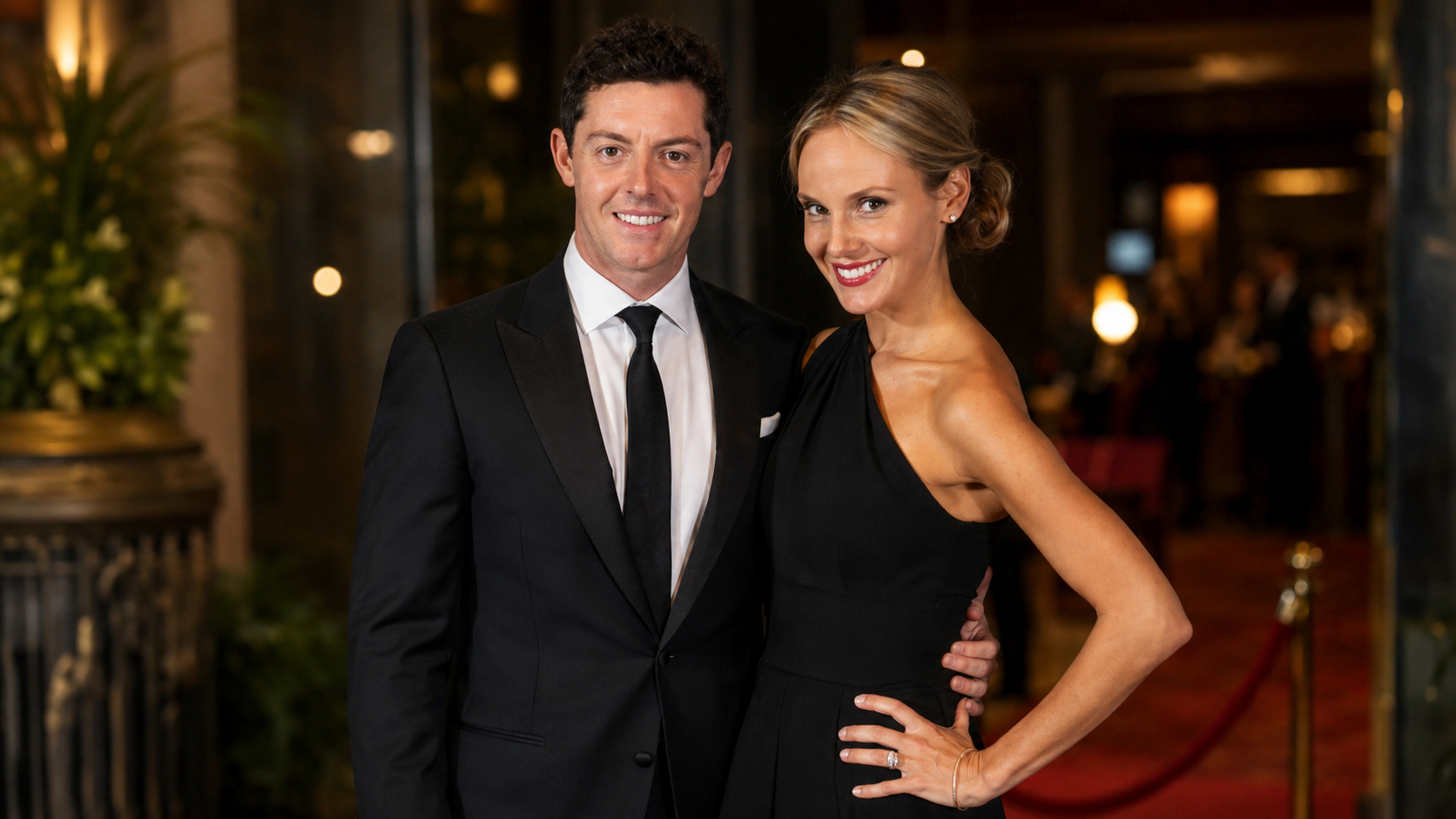
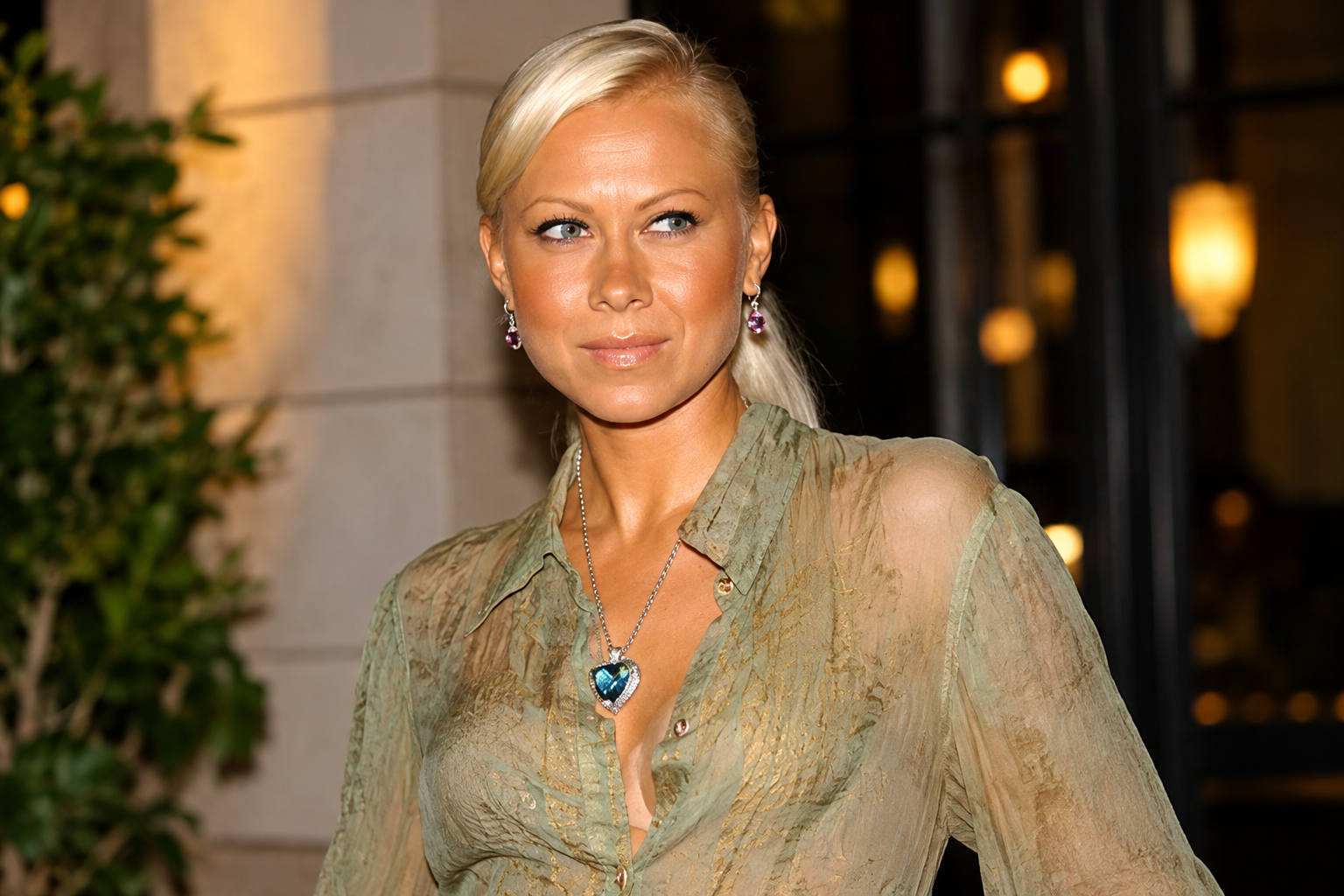
Oksana Bajuł is a Ukrainian former figure skater who became one of the most recognizable names in women’s figure skating during the 1990s. Known for her expressive skating, technical ability, and distinctive artistic style, she achieved one of the sport’s biggest honors when she won the women’s singles gold medal at the 1994 Winter Olympics in Lillehammer, Norway.
Her Olympic victory was particularly significant because she represented Ukraine at the country’s first appearance as an independent nation at the Winter Olympics. Bajuł’s career also included a world championship title and European championship success before she moved into professional skating.
This article looks at Oksana Bajuł’s early life, skating career, Olympic success, professional years, and life after competitive skating.
Who Is Oksana Bajuł?
Oksana Bajuł is a Ukrainian figure skater best known for winning the women’s singles gold medal at the 1994 Winter Olympics. She was born on November 16, 1977, in Dnipro, Ukraine, which was then part of the Ukrainian Soviet Socialist Republic.
Bajuł began skating at a young age and developed into an elite competitor during her teenage years. Her performances combined demanding technical elements with strong musical interpretation and emotional expression.
Her international breakthrough came in the early 1990s, when she emerged as one of the leading young skaters in the world.
Oksana Bajuł Quick Facts
| Information | Details |
|---|---|
| Full name | Oksana Serhiyivna Baiul |
| Born | November 16, 1977 |
| Birthplace | Dnipro, Ukraine |
| Nationality | Ukrainian |
| Profession | Former figure skater |
| Sport | Figure skating |
| Discipline | Women’s singles |
| Olympic achievement | 1994 Olympic champion |
| World championship | 1993 world champion |
| Turned professional | 1994 |
Early Life and Introduction to Figure Skating
Oksana Bajuł grew up in Dnipro and began figure skating as a child. Her early development in the sport came during a period of major political and social change in Ukraine.
She trained under prominent coaches and gradually progressed through the competitive ranks. Her skating attracted attention because she was capable of combining difficult elements with an expressive performance style.
Bajuł’s path was not without challenges. She lost both of her parents while she was still young, leaving her without the family support that many young athletes depend upon. Her skating career consequently became an important part of her life at an unusually early age.
Rise in International Figure Skating
Bajuł became increasingly competitive on the international stage during the early 1990s. Her performances demonstrated that she could compete with established stars despite being relatively young.
Her major breakthrough came at the 1993 World Figure Skating Championships in Prague.
1993 World Championship
At the 1993 World Championships, Bajuł won the women’s singles title. The victory established her as a serious contender for the upcoming Olympic Games.
Her success was especially notable because she was still a teenager. Winning the world title placed her among the favorites for the women’s Olympic competition scheduled for the following year.
The championship also helped establish Ukraine’s presence in international figure skating at the highest level.
The 1994 Winter Olympics
The defining moment of Oksana Bajuł’s competitive career came at the 1994 Winter Olympics in Lillehammer.
The women’s singles event featured several elite skaters, including American Nancy Kerrigan and Japan’s Yuka Sato. Bajuł entered the competition as the reigning world champion, but the Olympic title remained uncertain until the final performances.
A Historic Gold Medal
Bajuł delivered a highly regarded free-skating performance and ultimately finished ahead of Nancy Kerrigan.
The final result was extremely close. Bajuł won the gold medal, while Kerrigan took silver and Chen Lu of China won bronze.
Her Olympic victory made Bajuł Ukraine’s first Olympic figure skating champion as an independent nation.
The achievement gave her international recognition far beyond the skating world. At only 16 years old, she had become an Olympic champion and one of the most famous Ukrainian athletes of her generation.
What Made Bajuł’s Skating Style Distinctive?
Bajuł was known for a combination of technical skill and artistic interpretation. Figure skating requires competitors to perform jumps, spins, and other elements while also presenting a coherent artistic performance.
Her skating was particularly associated with:
- Strong musical interpretation
- Expressive presentation
- Difficult jumping elements
- Elegant choreography
- Dramatic performance quality
Her ability to connect technical elements with emotional presentation helped distinguish her from many competitors.
From Olympic Champion to Professional Skating
After winning Olympic gold in 1994, Bajuł did not continue in the traditional amateur competition system for an extended period. Like several prominent figure skaters of her era, she moved into professional skating.
Professional figure skating offered opportunities to perform in tours, exhibitions, and skating shows. For Bajuł, it also provided a way to continue performing before international audiences after her competitive career.
Her Olympic success made her a natural attraction for professional skating productions.
Career After Competitive Figure Skating
Following her competitive career, Bajuł continued to be associated with figure skating through performances, appearances, and skating-related projects.
She also became involved in business and fashion-related activities. Her name remained closely connected with the sport that had made her internationally famous.
Unlike an athlete who disappears entirely after retirement, Bajuł continued to make public appearances and remained recognizable to figure skating audiences.
Oksana Bajuł and Ukraine
Bajuł’s Olympic victory carries particular importance in Ukrainian sporting history.
The 1994 Winter Olympics were the first Winter Games in which Ukraine competed independently following the dissolution of the Soviet Union. Winning the women’s figure skating title therefore gave the newly independent country an important early Olympic success.
Her achievement helped establish her as a significant figure in Ukraine’s modern sporting history.
Where Is Oksana Bajuł Now?
After her competitive skating career, Bajuł spent much of her life outside Ukraine and continued working within the broader figure skating and entertainment world.
She has remained involved with skating through performances and related activities. Her public life has also included appearances connected to her Olympic career and Ukrainian identity.
Because details of a public figure’s private life can change over time, information about her current personal circumstances should be distinguished from the established historical record of her skating career.
Oksana Bajuł’s Personal Life
Bajuł has attracted public interest not only because of her Olympic career but also because of the difficult experiences she faced growing up.
She lost her mother when she was very young and later lost her father. These losses had a major impact on her childhood and development as an athlete.
Her personal story is therefore closely connected to her sporting journey. She reached the highest level of international competition despite experiencing significant hardship during her formative years.
Marriage and Family
Bajuł has kept parts of her personal life relatively private compared with the extensive media coverage surrounding her Olympic career.
She has nevertheless discussed aspects of her life publicly over the years, particularly in connection with her experiences as an athlete, her Ukrainian background, and her transition away from competitive skating.
Readers should be cautious with online claims about her family, relationships, or private circumstances when those claims are not supported by reliable sources.
Oksana Bajuł’s Legacy
Bajuł’s greatest legacy is her Olympic gold medal and her role in Ukrainian sporting history.
Her 1994 victory remains one of the most memorable achievements in Ukrainian figure skating. She also holds an important place in the history of the sport because she won the world championship before becoming Olympic champion.
Her career demonstrates how quickly a young athlete can rise to the highest level when exceptional technical ability, artistic expression, and competitive determination come together.
Why Oksana Bajuł Remains Famous
Several factors explain why Bajuł continues to attract interest decades after her Olympic victory.
Olympic Champion
Winning an Olympic gold medal is the defining achievement of her career. Olympic champions often remain prominent figures in their sports long after retirement.
World Champion
Her 1993 world title demonstrated that her Olympic victory was not an isolated success. She had already established herself among the world’s leading female figure skaters.
Ukrainian Sporting History
Her Olympic victory came during Ukraine’s early years as an independent Olympic nation, making the achievement especially meaningful.
Distinctive Performance Style
Bajuł was remembered for combining technical skating with expressive performances. That combination contributed strongly to her popularity.
Frequently Asked Questions About Oksana Bajuł
How old was Oksana Bajuł when she won Olympic gold?
Oksana Bajuł was 16 years old when she won the women’s singles gold medal at the 1994 Winter Olympics.
What did Oksana Bajuł win at the 1993 World Championships?
She won the women’s singles gold medal at the 1993 World Figure Skating Championships in Prague.
What country did Oksana Bajuł represent?
She represented Ukraine. Her 1994 Olympic victory was particularly historic because Ukraine was competing as an independent nation.
When did Oksana Bajuł retire from amateur competition?
Bajuł left the traditional competitive figure skating circuit after the 1994 Olympics and moved into professional skating.
What is Oksana Bajuł best known for?
She is best known for winning the women’s singles gold medal at the 1994 Winter Olympics and the 1993 World Figure Skating Championships.
Conclusion
Oksana Bajuł’s career remains an important chapter in both figure skating and Ukrainian Olympic history. From a difficult childhood in Dnipro to becoming a world champion and Olympic gold medalist at just 16, her rise was remarkably rapid.
Her 1994 Olympic victory established her as one of the defining figure skaters of her generation, while her earlier world championship proved that she had already reached the top level of the sport. Although her competitive career was relatively short, her impact lasted much longer.
Today, Bajuł is remembered primarily as the Ukrainian skater who captured Olympic gold at Lillehammer and helped create an early landmark in the history of independent Ukraine at the Winter Olympics.