
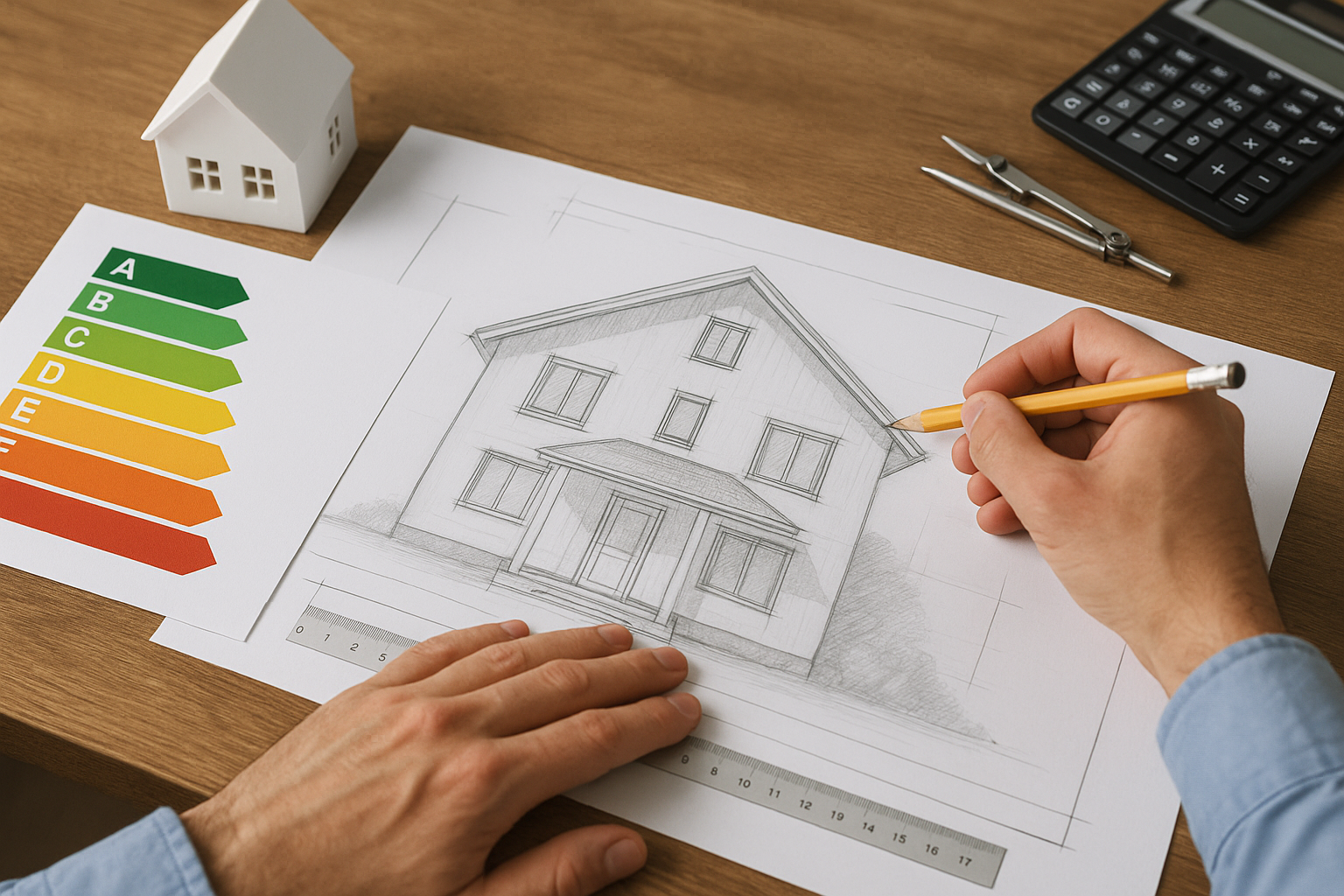
In today’s world, where energy consumption, climate change, and sustainable development are increasingly intertwined, the role of smart building design has never been more important. One of the key players in India’s energy efficiency journey is the Bureau of Energy Efficiency — and when we talk about a “Bureau of Energy Efficiency drawing,” we’re referring to the way design and blueprinting can integrate BEE-driven principles into architecture and systems. In this article, we’ll explore what a BEE drawing means, why it matters, how to prepare one, and how it becomes a blueprint for smarter and sustainable energy design.
What is the Bureau of Energy Efficiency (BEE)?
The Bureau of Energy Efficiency is an autonomous agency under India’s Ministry of Power, created under the Energy Conservation Act, 2001, to promote energy efficiency in industry, buildings, appliances, and the broader economy. Its primary mission is to institutionalise energy efficiency services, enable delivery mechanisms, and provide leadership in this space. Why this matters to design-blueprints: BEE has developed codes, standards, and guidelines (such as the Energy Conservation Building Code) that influence how buildings are designed, planned, and executed.
The Concept of a “Bureau of Energy Efficiency Drawing”
A “BEE drawing” isn’t a separate document issued by BEE in most cases, but rather a drawing (architectural, engineering, MEP) that has been prepared in alignment with BEE’s codes, standards, and energy-efficiency requirements. In effect, it is the blueprint that translates sustainable energy design principles into the concrete form of the building. It involves orientation, envelope design, HVAC layout, lighting and controls, and renewable system integration — all guided by BEE’s frameworks. The idea is that from the early schematic stage onward, the drawing reflects “smart and sustainable energy design” rather than just conventional design.
Why BEE-Aligned Drawings Matter for Smarter, Sustainable Design
Integrating BEE’s energy efficiency mindset into the design drawings brings multiple benefits:
- Reduced energy intensity: The BEE’s overall objective is to reduce the energy intensity of the Indian economy. By incorporating BEE-inspired elements into the building’s drawings (a better envelope, efficient HVAC, renewable-readiness), the building uses less energy over its lifetime.
- Compliance and future-readiness: As BEE codes tighten, integrating its mandates in drawings ensures compliance and simplifies future upgrades.
- Cost savings and sustainability: Smarter design means lower costs, better comfort, and a smaller carbon footprint—supporting sustainability.
- Market value and recognition: Buildings designed with energy efficiency in mind often gain green certification, higher occupancy appeal, or better lifecycle value.
Key Components of a BEE-Oriented Drawing
Here are the critical elements that a drawing aligned with BEE’s principles should incorporate:
Building Orientation and Envelope
The drawing should show how the building is oriented vis-à-vis the sun, wind, and climate zone. The envelope (walls, roofs, fenestration) should be designed to minimise unwanted heat gain or loss. BEE’s code emphasises the envelope as a major driver of energy efficiency.
HVAC, Lighting & Controls
BEE-aligned drawings show efficient HVAC and lighting systems, with layouts to maximize efficiency and daylight use. The code sets requirements for comfort and controls.
Renewable Energy & Efficiency Readiness
Drawings must show space, structure, and connection for renewables like solar PV, per code requirements.
Integration of Passive Design Strategies
Passive cooling/heating, natural ventilation, shading, and daylighting—all should be shown in the drawing. These strategies reduce reliance on active systems and improve efficiency.
Documentation for Compliance
Drawings must include envelopes, U-factors, SHGC, efficiency ratings, and simulation reports for compliance.
How to Prepare a BEE-Compliant Drawing: Step-by-Step
Follow these steps to create BEE-aligned drawings for smart energy design:
- Determine applicable code and climate zone: Use BEE’s defined climate zones for India and identify whether the building falls under ECBC, ECBC+, or SuperECBC.
- Perform early energy modelling/simulation: Even at the schematic stage, run basic models to test orientation, envelope options, ventilation strategies, and daylighting.
- Architectural schematic drawings: Incorporate plans showing optimal orientation, shading devices, fenestration schedules with U-values, and solar heat gain coefficients (SHGC).
- MEP layout drawings: Show equipment locations, ducting/piping, system zoning, and efficient equipment specification. Indicate lighting layouts, controls, and sensors.
- Renewable/efficiency integration drawings: Show roof PV zones, structural elevations for mounting, conduit routing, and integration with building electrical system.
- Compliance documentation drawings/schedules: Provide envelope schedule (U-factor, SHGC), lighting power density (W/m²), equipment efficiencies, and simulation summary.
- Final drawings and submission pack: Collate all drawings, data, and the BEE-compliant compliance checklist, ready for submission to authorities or for certification.
Challenges & Tips for Designers and Specifiers
- Balancing design aesthetics and performance: Sometimes architectural desires (large glazing, open facades) conflict with energy performance. Early collaboration between architects, MEP engineers, and energy consultants is key.
- Data for simulation and accuracy: Good quality climate data, shading analysis, and accurate modelling of systems improve drawing outcomes.
- Changing regulations: BEE’s codes and updates evolve. Staying up to date ensures the drawing remains future-proof.
- Cost-benefit awareness: Some clients resist the higher upfront cost for efficient design. Showing lifecycle cost benefits helps.
- Local/state compliance: Though BEE sets the national framework, states may have additional or mandatory regulations; ensure drawings meet state/local laws.
Real-World Example: How the Blueprint Transforms into a Real Building
Consider the case of a commercial building designed under ECBC guidelines: The drawing package included envelope calculations, efficient HVAC layout, lighting with daylight sensors, and a designated rooftop PV zone. Because the drawing was BEE-aligned from day one, during construction, the envelope maintained tight U-value targets, the MEP system operated at optimal efficiency, and the building qualified under ECBC Plus. The result: significant energy savings, reduced operational cost, and a competitive advantage in the market.
Why This Matters for India and Beyond
India’s growing energy demand is driven by buildings. BEE’s codes help curb this while supporting sustainable infrastructure.
By embedding BEE-driven design into the drawing – literally at the blueprint stage – India’s built environment can move towards lower energy intensity, reduced carbon emissions, and better long-term resilience.
Conclusion
A “Bureau of Energy Efficiency drawing” might sound like a technical phrase, but in practice, it’s a powerful concept: a drawing or blueprint that brings together the best of architectural design, mechanical/electrical engineering, renewable readiness, and compliance-driven energy efficiency — all under the umbrella of the Bureau of Energy Efficiency’s guidelines and standards. For any designer, architect, or developer aiming for smarter, sustainable energy design, ensuring your drawings align with BEE’s frameworks is not just good practice — it’s increasingly essential. When your drawing integrates orientation, envelope, HVAC, lighting, renewables, and documentation, all guided by BEE, you have created a true blueprint for smarter, sustainable energy design.