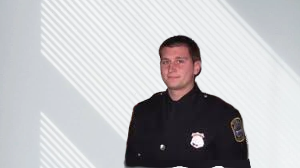
The name Dylan Hustosky has become increasingly referenced in recent years, reflecting a story that goes far beyond the headlines. While not a celebrity in the traditional sense, his journey—from dedicated police officer to surviving a traumatic incident and thereafter retreating into privacy—offers insight into resilience, public service, and the ripple effects of a single shocking event. In this article, we explore who Dylan Hustosky is, how his early life and career shaped him, the pivotal incident that brought his name to broader attention, and what his story means in the context of mental health, law enforcement, and personal recovery.
Early Life and Background
Publicly available records on Dylan Hustosky’s early life are limited, but what is known indicates that his upbringing and early choices pointed toward a career of public service. He joined the law-enforcement ranks at a relatively young age, suggesting a sense of duty and community orientation. While the details of his family background, schooling, and early influences remain largely private, his path into policing hints at an individual shaped by commitment and integrity.
Career as a Police Officer
Dylan Hustosky served as an officer with the Gates Mills Police Department in Ohio, where he built a reputation for professionalism, hard work, and dedication. Reports indicate he joined in 2014 and worked for several years before his life was dramatically changed. Within the department, he was regarded favourably by colleagues and supervisors, with no public record of misconduct. This background enhances the gravity of what followed, underscoring that this was a trusted public servant.
The Pivotal Incident
On 13 August 2018, Dylan Hustosky’s life took a dramatic turn when he was shot twice in the left arm by his wife, Kayleigh Hustosky, at their home in Painesville, Ohio. He managed to escape and call 911, while his wife subsequently died from a self-inflicted gunshot wound inside the house. The incident shocked the community—especially given his role as an officer and the apparent lack of prior public domestic issues. The case remains enigmatic, with the motive for the shooting never fully clarified in the public domain.
Immediate Aftermath and Public Reaction
In the aftermath, the story of Dylan Hustosky made headlines for its tragic nature and the questions it raised about mental health, marital stress, and the hidden pressures faced by law enforcement families. Media reports noted the shock of colleagues and neighbours, who considered the couple stable and unremarkable. The fact that an officer committed to public safety became a victim in such a personal tragedy added a layer of complexity—and the narrative began to resonate beyond just the local community.
Private Recovery and Current Status
Following the incident, Dylan Hustosky opted to step away from the public spotlight. There is little official information on his current career or personal life, signalling his preference for privacy and recovery. His retreat from public view is understandable: to rebuild personally, heal physically and emotionally, and to protect his and his child’s future from media scrutiny. The absence of updates adds to the sense of mystery around his next chapter.
Why His Story is Gaining Attention Today
Several factors help explain why Dylan Hustosky’s name is being referenced more frequently now:
- The growing public interest in stories that highlight mental-health challenges behind closed doors, including among first responders.
- Discussions about the toll of policing on families and the personal costs borne by officers.
- The broader themes of survival, recovery, and redefinition of identity after trauma.
- These dimensions make his journey relevant beyond the original incident, transforming it into a case study of resilience and the long-term aftermath of violence within the home.
Key Takeaways from His Journey
From Dylan Hustosky’s experience, we can draw several important lessons:
- Public servants are human: despite their role, they may face domestic or mental health issues just like anyone else.
- The impact of a single event can reshape an individual’s career, family life, and future choices.
- Recovery may not just be physical—emotional and psychological healing matter too, and choosing privacy can be a valid part of that process.
- Awareness and support for those in high-stress professions (and their families) remain critical—and stories like this help spark that dialogue.
What Remains Unsaid
There are significant gaps in the public record regarding Dylan Hustosky: his current occupation, his family’s wellbeing, his recovery, and his outlook for the future. These unknowns remind us that behind every headline exists a human story not fully captured by the media. His privacy, in choosing to stay off-camera and out of the spotlight, speaks to the need for time and space when recovering from trauma.
Closing Thoughts
The name Dylan Hustosky has become more than just one man’s biography—it stands as an emblem of service interrupted, tragedy embraced, and the slow emergence of new beginnings. His journey reminds us that real life rarely fits neat narratives, and the strongest stories are often those with unanswered questions. As interest in mental health, policing programmes, and family support systems grows, his story resonates with broader issues faced by many but seldom highlighted. Today, Dylan Hustosky’s name is gaining attention not for sensationalism, but because his story has lessons worth remembering—and because the resilience behind that name offers hope, reflection, and a quiet reminder that behind every public figure is a personal truth.