In the print-on-demand (POD) world, your design is only half the sale. The other half is how that design is presented. A hoodie mockup that sells does far more than just show what the product looks like. It builds trust, sparks emotion, and helps customers imagine themselves wearing the hoodie. For online shoppers who cannot touch fabric or try on sizing, your mockup becomes the product experience, making it one of the most important elements in your store.
Whether you sell on Shopify, Etsy, or a custom storefront, the quality of your hoodie mockup has a direct impact on your conversion rate. High-performing brands understand that customers don’t buy hoodies based on artwork alone; they buy the lifestyle and feeling that the hoodie represents. A strong visual presentation bridges the gap between a digital design and a physical product, turning browsing into buying.
What Makes a Hoodie Mockup That Sells
A hoodie mockup that sells is designed with psychology, clarity, and branding in mind. It must look realistic, appealing, and aligned with what the customer expects to receive. This means natural fabric folds, accurate print placement, and colors that match the actual garment as closely as possible. When a mockup looks fake or flat, shoppers subconsciously doubt the quality of the product.
Beyond realism, a high-converting mockup must tell a story. Whether it’s a minimalist hoodie on a clean background or a lifestyle scene showing someone wearing it outdoors, the mockup should communicate how the hoodie fits into the buyer’s life. People don’t just want a piece of clothing; they want to see how it will make them feel, and a great mockup helps deliver that emotional connection.
Why Mockups Matter More in Print-on-Demand
In print-on-demand, you rarely have physical inventory to photograph, which means mockups are the main visual representation of your brand. A hoodie mockup that sells becomes your virtual photoshoot, standing in for professional product photography. If your mockups are weak, your entire brand looks unprofessional, even if your designs are great.
Customers also know that POD products are made after purchase, which means they rely heavily on visuals to judge quality. A polished, realistic mockup reassures buyers that they will receive a premium hoodie, not a cheap or poorly printed garment. In competitive markets where dozens of similar designs exist, your mockup quality can be the deciding factor between a sale and a lost customer.
Key Elements of a High-Converting Hoodie Mockup
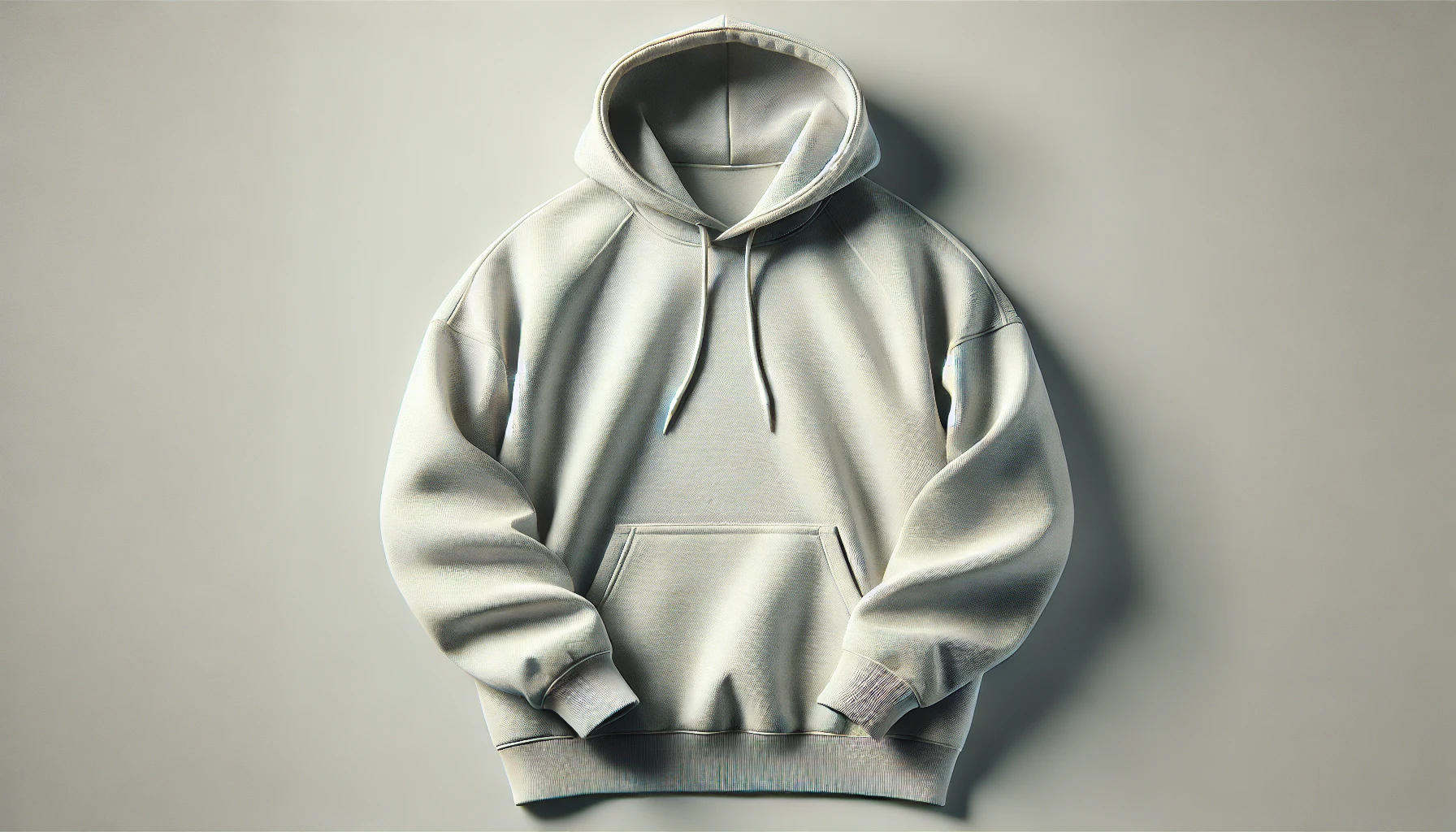
Every hoodie mockup that sells well has a few core elements working together. First is accurate garment shape and fit. The hoodie should look like a real piece of clothing, with proper stitching, ribbing, hood depth, and sleeve length. This level of detail signals quality and professionalism to the viewer.
Second is clean, well-placed artwork. Your design should sit naturally on the hoodie, following the curves of the fabric instead of looking pasted on. Proper shadows, highlights, and texture overlays help integrate the artwork into the garment. When the print looks like part of the hoodie instead of a flat graphic, the entire product feels more authentic and desirable.
The Role of Color and Lighting in Hoodie Mockups
Color accuracy is one of the most overlooked factors in a hoodie mockup that sells. If your mockup shows a shade of blue that looks vibrant but the real hoodie is dull, customers will feel disappointed. High-quality mockups are created with realistic color profiles that closely match actual fabric tones, reducing the risk of negative reviews and returns.
Lighting also plays a huge role in perceived quality. Soft, natural lighting makes fabric look rich and premium, while harsh or flat lighting can make even a great hoodie look cheap. The best mockups use subtle shadows and highlights to create depth, helping customers visualize the texture and weight of the material.
Lifestyle vs Studio Mockups
Both lifestyle and studio mockups have a place in a high-converting product listing. A hoodie mockup that sells often combines both styles to appeal to different types of buyers. Studio mockups are clean, focused, and perfect for showing design details, color options, and fit. They help customers clearly understand what they are purchasing.
Lifestyle mockups, on the other hand, create emotional engagement. Seeing a model wearing a hoodie in a real-world setting makes it easier for shoppers to imagine themselves in it. This visualization can significantly increase conversion rates, especially for fashion products where identity and lifestyle play a big role in buying decisions.
How a Design Template Improves Consistency
A high-converting hoodie mockup design template helps maintain visual consistency across your store. When all your products share the same style, lighting, and layout, your brand looks more professional and trustworthy. This consistency builds recognition and makes your store feel like a real clothing brand rather than a collection of random designs.
Using a standardized template also saves time and reduces errors. You don’t have to manually adjust placement, scaling, or shadows for every new design. This allows you to launch products faster while ensuring that every hoodie mockup that sells meets the same high-quality visual standard.
Branding Through Your Hoodie Mockups
Your mockups are not just product images; they are branding tools. A hoodie mockup that sells should match your brand’s personality, whether that’s edgy, minimalist, playful, or premium. The background, model choice, and overall tone of the mockup should all align with the audience you are targeting.
Strong branding creates a sense of familiarity and trust. When customers see your hoodie mockups across different listings or social media platforms, they should immediately recognize your style. This recognition increases the likelihood of repeat purchases and helps your brand stand out in a crowded POD marketplace.
Mobile Optimization and Visual Clarity
Most online shoppers browse on their phones, which makes mobile-friendly mockups essential. A hoodie mockup that sells must look clear and attractive even on small screens. This means the design should be large enough to see, the colors should be distinct, and the overall composition should not be cluttered.
If a customer has to zoom in just to understand what your hoodie looks like, you are already losing conversions. Clean, focused mockups that highlight the design and fit are much more effective on mobile devices, where attention spans are short and decisions are made quickly.
Using Mockups to Reduce Returns and Complaints
High-quality mockups do more than just sell; they also set accurate expectations. When customers see a hoodie mockup that sells and truly represents the final product, they are less likely to feel disappointed when it arrives. This reduces return rates, chargebacks, and negative reviews, all of which can hurt a POD business.
Clear visuals that show fabric texture, fit, and print placement help buyers understand exactly what they are getting. This transparency builds long-term trust, which is far more valuable than a quick sale that leads to customer dissatisfaction.
How High-Converting Mockups Boost Marketing Performance
A hoodie mockup that sells is not only for product pages; it is also a powerful marketing asset. These mockups are used in ads, social media posts, and email campaigns. When your visuals look professional and appealing, people are more likely to stop scrolling and engage with your content.
Better engagement leads to lower ad costs and higher conversion rates. Platforms like Facebook and Instagram reward visually appealing content with more reach, which means your high-quality hoodie mockups can directly impact your advertising success.
Choosing the Right Mockup Style for Your Niche
Different niches respond to different visual styles. A streetwear brand might benefit from urban, edgy hoodie mockups, while a wellness brand may need clean, calm, and minimal visuals. A hoodie mockup that sells is one that speaks directly to its target audience.
Understanding your customer’s lifestyle, values, and preferences helps you choose or design mockups that resonate emotionally. When buyers feel that a product was made for people like them, they are far more likely to click the buy button.
Final Thoughts on Building a Hoodie Mockup That Sells
In print-on-demand, your mockups are your storefront, sales team, and brand image all in one. A hoodie mockup that sells does more than display a design; it builds trust, creates desire, and makes the buying decision easy. Investing in high-quality, consistent, and emotionally engaging mockups is one of the smartest moves any POD brand can make.