Here’s something every sales leader knows too well: you’ve got hundreds of prospects to reach, but only 24 hours in a day. Trying to do everything manually? That’s a dead end. And bringing on more reps isn’t exactly budget-friendly for most teams.
Consider this: email marketing delivers $36 back for every dollar you invest.That’s an incredible return. Yet somehow, countless teams miss out on this goldmine because they’re drowning in manual work, copying and pasting their way through the day.
Why Sales Teams Today Can’t Afford to Skip Automation
The sales landscape has shifted beneath our feet. Buyers want messages that speak directly to their needs. But how can your team possibly research and write custom emails for 500 prospects weekly? You can’t. Nobody can.
Moving Beyond Manual Email Campaigns
Remember the old days? Your reps would sit there for hours, duplicating templates, swapping out names, setting calendar reminders for follow-ups. Half the time, they’d lose track of who got which message. Or worse, they’d forget to follow up entirely. That’s where cold email automation changes everything. It’s not just a minor upgrade.
We’re talking about a complete transformation of how your outreach works. These platforms take all the tedious, repetitive stuff off your plate while your team focuses on what actually matters, building genuine relationships. You can connect with more prospects, keep every message personalized, and never sacrifice quality just to hit your numbers.
What These Systems Really Do for You
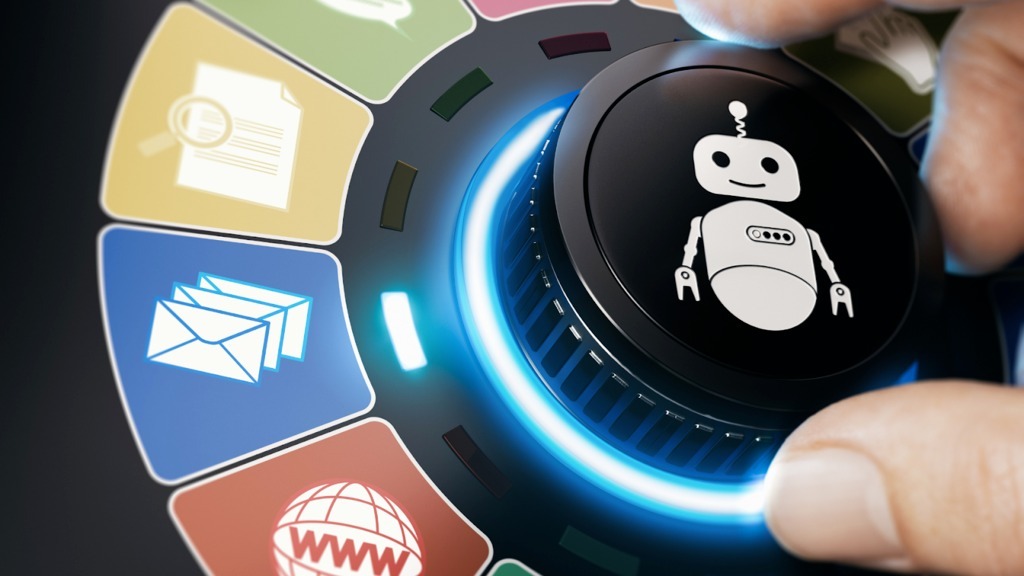
Picture having an assistant who never sleeps, never forgets a follow-up, and tracks every interaction automatically. That’s automation. These platforms fire off emails based on the triggers you configure. They watch for openings and clicks. They advance prospects through your sequence without you lifting a finger. And here’s the beautiful part: when someone replies, the system stops sending. No more embarrassing situations where you bombard an interested lead with three more automated messages.
Technology has evolved dramatically. Modern systems vary send times so everything doesn’t blast out at 9 AM sharp. They rotate between email accounts. Some even adjust messaging based on how prospects behave. This isn’t about spam, it’s about smart, consistent outreach that would crush your team if they tried managing it manually.
These features make robust sales tools absolutely critical if you want to reach decision-makers without burning out your people. 80% of buyers actually prefer email contact from sales reps, so you’re meeting them where they want to be met.
What Separates Great Cold Email Software from the Rest
Not every platform deserves your attention. The truly effective ones share specific capabilities that separate them from glorified mail merge tools.
Personalization That Actually Scales
Strong automation never feels robotic. The best platforms let you inject custom details way beyond first names. We’re talking company information, recent press mentions, shared connections, industry-specific challenges. Some even leverage AI to craft unique opening lines for each person.
You can build email variations that shift automatically depending on prospect attributes. Your healthcare contacts see different language than your finance prospects, all within a single campaign. No duplicate work required.
Keeping Your Emails Out of Spam Folders
Your perfectly crafted message means absolutely nothing if it hits spam. Premium platforms include email warming features that slowly build your sender reputation before real campaigns start. They handle technical authentication like SPF, DKIM, and DMARC records behind the scenes. Some automatically cycle through multiple email accounts so no single one gets flagged. These protective measures ensure your automated sales emails actually reach humans instead of disappearing into spam purgatory.
Data That Makes You Smarter
You can’t fix what you can’t see. Quality platforms show open rates, clicks, and replies across every campaign. But the really powerful ones break this down by email variant, subject line, time of day, and prospect segment.
This information tells you exactly what’s working. Maybe Tuesday morning emails pull double the responses compared to Thursday afternoons. Perhaps your shorter subject lines crush the clever ones. These insights help you continuously refine your approach and improve sales outreach results month over month.
Finding the Right Platform for Your Situation
The marketplace is packed with options. Everyone claims to be revolutionary. Here’s what genuinely matters when you’re evaluating tools.
Must-Have Capabilities
Start with fundamentals: Does it support multi-step sequences? Personalization variables? A/B testing? Can you create conditional logic that changes email content based on prospect actions? Are deliverability tools included or will you need another service?
Look for automatic unsubscribe handling and compliance with CAN-SPAM and GDPR regulations. You need clear analytics dashboards that surface performance metrics instantly. Some teams require collaboration features or approval workflows, define your requirements before comparing options.
How It Connects with Your Existing Stack
Your automation platform can’t live in a silo. Check integration compatibility with your CRM, data enrichment tools, and other systems. Native integrations consistently outperform third-party connectors that break unexpectedly.
Think about workflow fit. If your reps practically live in Salesforce, you need seamless data syncing. Some platforms offer browser extensions for prospecting on LinkedIn or company sites, letting reps add leads to campaigns instantly.
Your ideal choice depends on team size, budget, and specific requirements. Startups typically prioritize cost and simplicity, while enterprise teams need sophisticated features and security.
Getting Real Results from Your Automation
Buying software takes five minutes. Actually generating results? That requires strategy and consistent execution.
Building a Strong Foundation
Before your first email goes out, properly warm up your domains. Most platforms recommend 2-4 weeks where daily volume increases gradually. Rush this step and watch your deliverability collapse.
Build focused prospect lists instead of blasting your entire database. Tighter audience targeting enables better personalization. Design sequences with 4-7 touchpoints spread across 2-3 weeks, delivering value in each message rather than just begging for meetings.
Write like you’re messaging a colleague, not performing a sales presentation. Keep emails under 150 words. Include one clear call-to-action. Make responding easy.
Mistakes That Kill Campaigns
Don’t skip email verification, bad addresses demolish your sender reputation fast. Avoid loading emails with images or attachments that trigger spam filters. And for the love of all that’s holy, test your merge tags before launching. Nothing screams “I don’t care about you” quite like an email addressed to {{FirstName}}.
Many teams quit prematurely. If your first campaign underperforms, that’s completely normal. Successful outreach demands testing different angles and refining messaging based on actual data.
The biggest error? Treating automation like “set it and forget it.” These tools multiply your efforts exponentially, but they still need strategic direction and regular optimization to deliver results.
Transform Your Outreach Starting Today
Email automation isn’t about eliminating human connection, it’s about making meaningful connections possible at scale. The right tools liberate your team from mind-numbing repetitive work so they can focus on conversations that move deals forward.
Start small, test relentlessly, and let data guide every decision. Your prospects’ inboxes are already overflowing. Use automation to send fewer, sharper emails that genuinely resonate with people who need what you’re offering.
Your Burning Questions About Outreach Automation
What’s the difference between cold email automation and spam?
Intent and execution separate legitimate outreach from spam. Spam means blasting purchased lists with generic messages and no opt-out option. Proper email automation means sending targeted, personalized messages to researched prospects, offering genuine value, providing clear unsubscribe options, and following regulations. One is thoughtful and strategic. The other is indiscriminate noise.
How many emails can I safely send daily?
New accounts should start around 20-30 per day, gradually increasing to 50-80 over several weeks. Established accounts with solid reputations might reach 200, but quality always trumps volume. Focus on targeting and personalization before obsessing over scale.
Do automated emails actually generate responses?
Absolutely, when executed correctly. Well-researched prospects combined with personalized, value-focused content typically generate 5-15% response rates across most industries. The secret is treating automation as a scaling tool for personalized outreach, not a generic message blaster.