Introduction
Nepal is a land of mountains; it has many, many trekking routes for people who love walking in nature. When you go to Nepal, you see big, big mountains, green forests, small villages, and rivers flowing fast. People come from all over the world to walk on these mountains and feel fresh air and life. The Everest Base Camp trek is very famous; many people want to see the world’s highest mountain closely and feel its power. The Manaslu Circuit trek is less famous but very beautiful. It is a long and adventurous trek; you walk in villages, forests, and mountain passes. It makes you feel like an explorer in an unknown world. The Mardi Himal trek is small but very beautiful; it is easy for beginners; you can see mountains, sunrises, and sunsets; and enjoy quiet nature. These treks give you life experience, happiness, and a tired but happy feeling. You meet many people from different countries, taste local food, sleep in small tea houses, feel the cold wind and snow, and at the end you feel proud because you finish a big journey. Nepal trekking is not only walking; it is a journey for heart and soul; it is an adventure for everyone who wants to see real mountains and feel freedom.
Everest Base Camp Trek – The Dream of Mountain Lovers
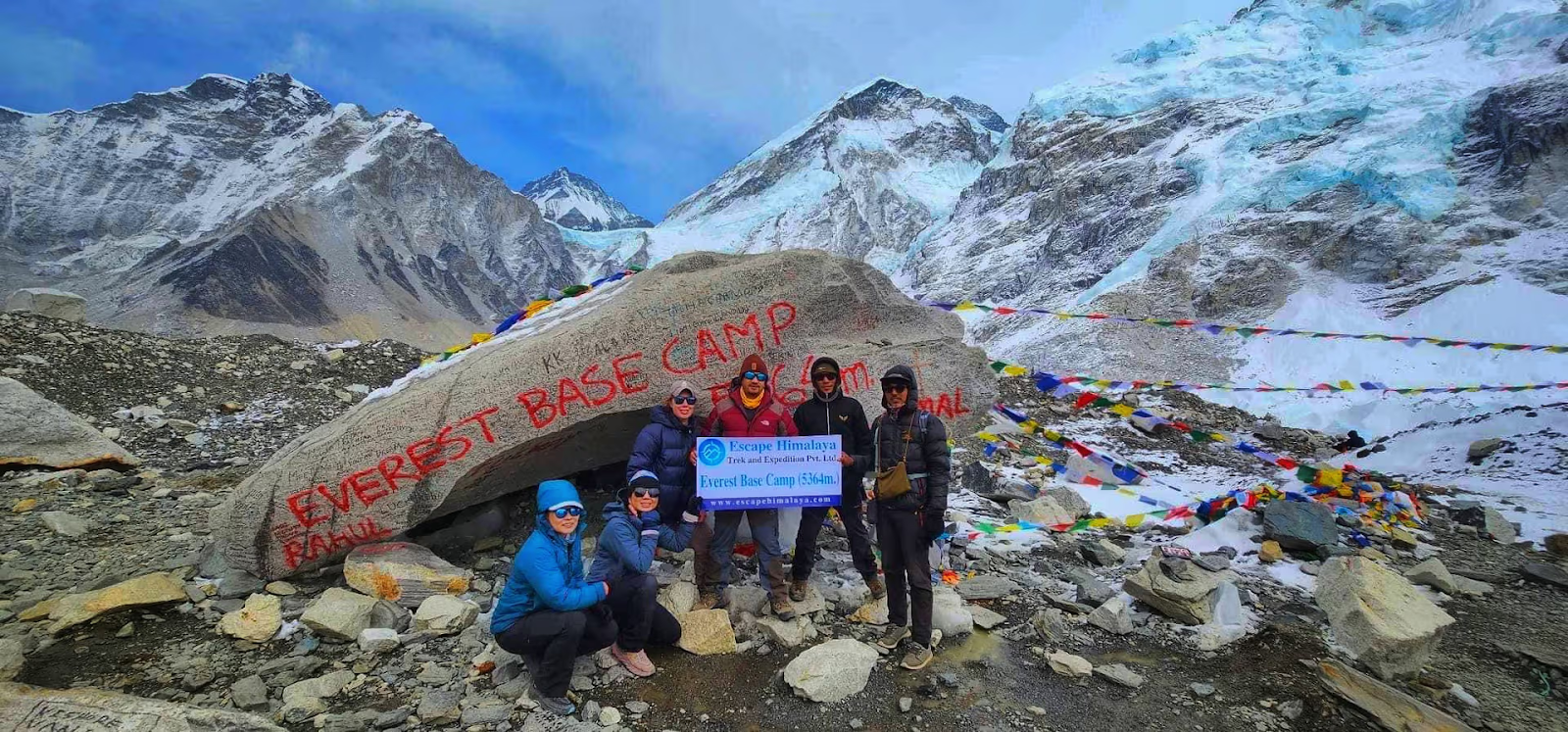
The Everest Base Camp Trek is a dream for many people. When you hear “Everest,” you feel small, because this mountain is the king of the world. The trek starts from Lukla, a small airport in the mountains. The plane itself is scary sometimes because mountains touch clouds. From Lukla, the trail goes through forest, river, and village. You see Sherpa people, very friendly, strong, and always with a smile on their face. They help travelers, guide, and carry loads sometimes if you are too tired. The trail goes from Lukla to Phakding first, a small village near the river. Namche Bazaar, a big market, was very busy. Here you feel the first heartbeat of mountain life. Tea houses are everywhere; you drink hot tea and yak butter tea sometimes. It has a very strong taste but gives energy. From Namche, trails go up and down, with more villages, more forest, and more snow sometimes. You feel cold at night, but in the morning, wow, it’s impossible to forget. After a few days, you reach Tengboche, a famous monastery, and there are prayer flags everywhere. You hear monks chant sometimes, a very peaceful feeling in the mountains. From here, the view of Everest and Lhotse touching the sky is unbelievable. The trail continues to Dingboche, a high village. You feel altitude sometimes, headaches come, slow walking, drink water, and rest a lot. Then Lobuche, a very small village, almost no trees, mountains, just white snow around. Finally, Gorak Shep, the last village before Base Camp. Very cold, very windy, but the view was amazing. You wake early and hike a small distance to Everest Base Camp. When you see the huge Everest very close, your heart beats fast, and tears sometimes. You take photos, celebrate, and feel proud because the journey is hard but more beautiful than any word. Trek back the same way, but feeling different, more love for mountains, more respect for Sherpa people, more story to tell.
Manaslu Circuit Trek—The Hidden Gem
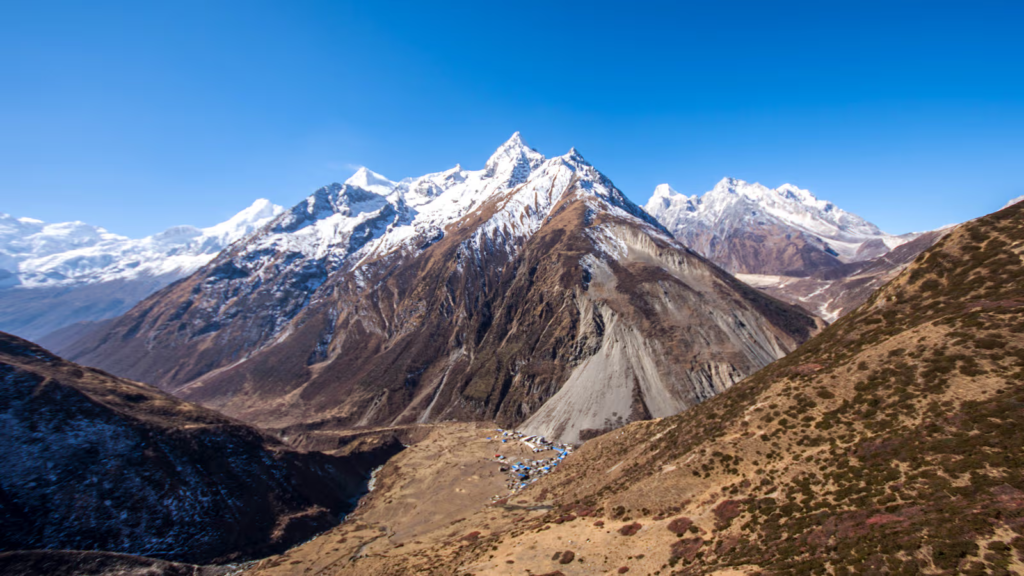
The Manaslu Circuit Trek is less famous than Everest but a secret treasure for people who want adventure and calm. Mount Manaslu is the 8th highest mountain in the world, very big, very beautiful, and always snow-capped on top. The trek starts from Soti Khola, a small village, and the river is very clear. The trail goes through jungle, bamboo forest, and rice fields sometimes and is very green in spring. The local people are very friendly and have a different culture than the Everest region. They feel old in Nepal sometimes. You pass Machha Khola, a small village near the river. Bridges cross rivers, which is very scary sometimes if the water is fast. In Jagat, another village, you feel the mountain slowly come, and snow starts to appear. The trail continues to Deng, Namrung, and Samagaun, each village with a different beauty. Samagaun is very famous because Manaslu has a close view, a monastery, and people are very proud of their culture. The high pass Larkya La is the most challenging trek. Very cold, very windy, altitude more than 5,000 meters. You feel breathless; every step is hard, but the view is amazing. On the top pass, see mountains all around, like a sea of white; you feel small, and the mountain is big. After passing, descend to Bimtang, green valley, river, and village. You feel relief but also happy because the adventure is complete, a story to tell forever. The Manaslu trek is not crowded, peaceful, and natural all around. You see red pandas sometimes, yaks in the pasture, and wild birds flying. Tea houses are simple, food is good, and dal bhat gives energy for walking. People choose Manaslu if they want quiet, want to explore culture, and want a real adventure without many tourists.
Mardi Himal Trek—The Short, Stunning Journey
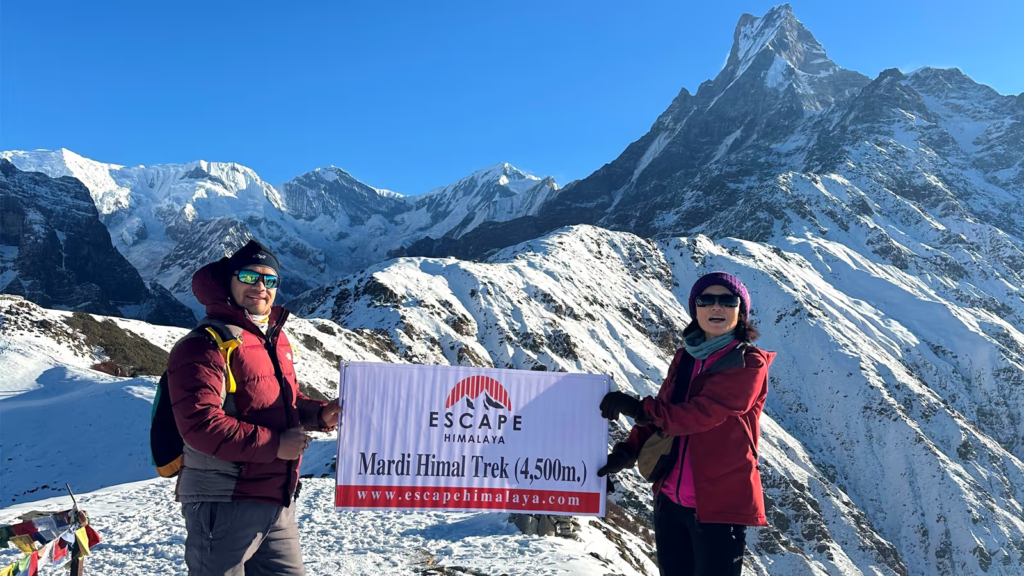
Mardi Himal Trek is a small trek, but the view is very big. People choose a short time, maybe 5-7 days. Start from Pokhara, a city famous for lakes and paragliding. Drive to Kande or Phedi, start trekking from the forest, and see rhododendrons sometimes in spring, with very colorful red and pink flowers everywhere. The trail goes up, small villages, and Himalayan views start to appear. Base Camp for Mardi Himal is not far, maybe 6-7 hours from the village. You see Machapuchare, the fish tail mountain, very famous, very beautiful, snow white, and steep. You feel like mountains touch the sky. The tea house is small, the food is simple, but hot soup is very good after a walk. The high camp of Mardi Himal is very close to the top; early morning wake-up and seeing the sunrise on the mountain—wow, very special. Mountains glow in orange, pink, and red; sun-kissed snow; very beautiful moments. You take photos, feel peace, and feel happy. After the top, descend the same way, but with a heart full of mountain beauty; I want to come again someday. The Mardi Himal trek is good for families, beginners, or people who have a few days. Short walk, big view, easy access from Pokhara. You feel nature, peace, and mountain magic without a long journey.
Why Choose These Treks?
Each trek has a reason. Everest Base Camp is famous, a dream of many people, a challenging medium, a strong culture, and a big view. Manaslu Circuit is adventurous, less crowded, culture-rich, a high-pass challenge, and secret beauty. Mardi Himal is short, stunning, good for beginners, and very big for small treks.
All treks give something different. People who want adventure choose Manaslu; people who want a dream mountain choose Everest Base Camp; people who want short and magical views choose Mardi Himal. All three treks have tea houses, simple but energy-filled food, friendly local people, and strong culture. Mountains always teach lessons: respect, patience, and courage.
Tips for Trekking in Nepal
- Prepare Physically – walk every day before the trek, be mountain-tired, have strong legs, and have a strong heart.
- Pack Light but Right—warm clothes, jacket, boots, gloves, hat, water bottle, medicine.
- Respect Local Culture – bow, greet, dress simply, and don’t touch monk things.
- Altitude Awareness – drink water, walk slowly, rest, don’t hurry, and avoid headache problems.
- Money and Food – Carry cash; tea houses accept cash. Food is simple but filling.
- Camera Always Ready—view change every minute, sunrise, sunset, snow, village, photo forever.
Trekking is not just walking; it’s a story, it’s a memory, it’s a lesson. Mountains teach patience, strength, and joy. Each trek is different, but the mountain is always the same: big, silent, proud.
Best Season for Trek
Nepal has two main seasons for trekking. In spring, March to May, flowers bloom, the view is clear, and the snow is not heavy; it’s very nice for Mardi Himal. In autumn, from September to November, the weather is very clear, the Everest Base Camp view is amazing, the Manaslu Circuit is safe, there is no rain, and the mountains are shining. Winter is cold, snow-heavy, and sometimes difficult. Summer, monsoon, heavy rain, slippery trails, sometimes landslides—not good for trekking.
Local Culture and People
Sherpa people on Everest are strong, brave, and always smiling. Manaslu region people are different: old tradition, red hat monk, rice field, and yak pasture. Mardi Himal region people are simple and welcoming; tea houses are small, Fishtail Mountains are close, and birds sing everywhere. People in Nepal are humble, hardworking, and treat guests like family. Trekkers meet many and share stories, food, laughter, and tea.
Food is also an adventure. Dal bhat, rice with lentil soup, sometimes vegetable, sometimes meat. Tea, butter tea, and coffee. A simple but full stomach gives energy for a long walk. Night tea house warm, fireplace sometimes, share stories with other trekkers, make friends, sometimes lifetime friends.
Safety and Adventure
All treks have risks; mountains are nature, not cities. Trail slippery, altitude headache, snowfall, river crossing sometimes. Guide help, porter carry, advice always follow. Trekking is safe if you follow the rules, respect the mountain, and respect the body. Adventure more than view, challenge more than distance.
But the reward is big. See the sunrise on Machapuchare, see Everest up close, cross Larkya La pass, reach Base Camp, feel the wind, see the snow, and see the sky and mountain—pure magic. Adventure teaches patience, courage, respect, love for nature, and stories for a lifetime.
Conclusion
Everest Base Camp Trek, Manaslu Circuit Trek, and Mardi Himal Trek: three mountain adventures, three stories, three magics. Each trek is different; each trek is special. Everest Base Camp is famous, a dream of the world, a medium challenge, strong in culture, and with an amazing view. Manaslu Circuit secret, quiet adventure, high pass challenge, unique culture. Mardi Himal is short, easy, beginner-friendly, and has a big view for a small trek. Trekking in Nepal is not just walking; it’s meeting people, sharing stories, seeing nature, learning patience, feeling pride, and having a heart full of mountains. Mountains teach respect, courage, humility, and happiness. Nepal is a gift for adventure seekers, dreamers, and nature lovers. Every step in the mountain gives a lesson, every view gives joy, and every village gives a memory. People come once, want to come again, because mountains call always, stories never end, and journeys continue forever.
Contact to Escape Himalaya
You Can contact Escape Himalaya by using our email address info@escapehimalaya.com We are available at any time. Escape Himalaya will deliver you price-worthy services, professional guides, trained staff, and assistance on every trip.