
Introduction
If you’re on the lookout for a natural, nutrient-rich fruit that carries both history and health, then look no further than žižole. This small but mighty superfruit—also known as the jujube or Chinese date—has been cultivated for thousands of years and is now garnering renewed interest for its wellness potential. In this article, we’ll explore what žižole is, why it matters, and how you can incorporate it into your life for radiant health.
What is Žižole?
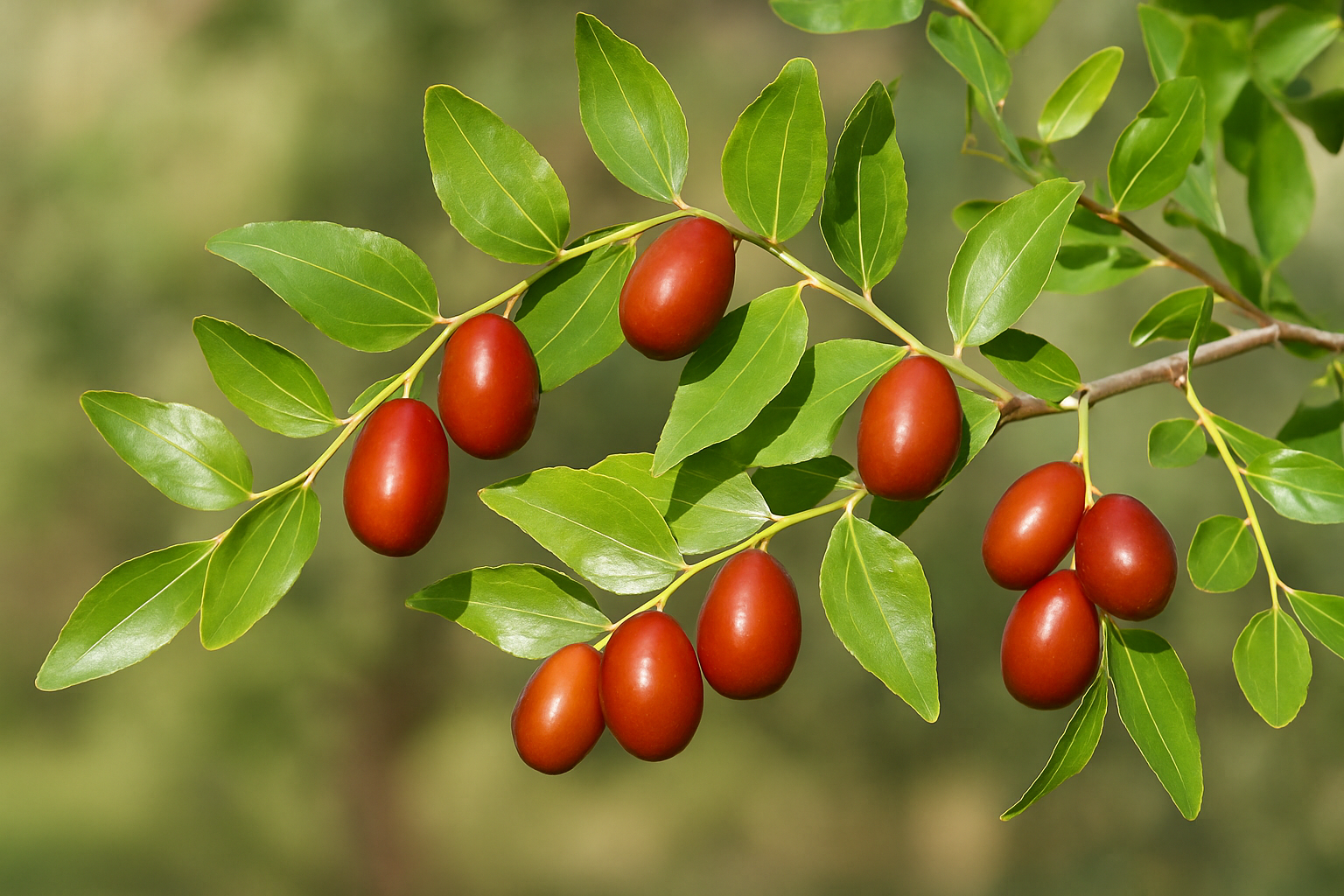
Žižole (pronounced “zhee-zho-le”) refers to the fruit of the tree Ziziphus jujuba, a species in the buckthorn family native to Asia and widely grown in Mediterranean and other temperate climates. The fruit starts off firm and green, then ripens to a reddish-brown hue; fresh varieties resemble a firm apple, while dried varieties take on a chewier, date-like texture.
A Brief History and Cultural Significance
The cultivation of žižole dates back thousands of years—archaeological evidence links wild jujube kernels to early human settlements in northern China. In traditional Chinese medicine, the fruit and its seeds have been used to calm the mind, support sleep, and bolster the spleen and immune functions. In parts of southern Europe, especially the Mediterranean and Balkan regions, the fruit has been enjoyed fresh, dried, or preserved for generations.
Nutritional Profile: Why It’s a Superfruit
Despite its humble size, žižole packs a rich nutritional punch:
- It is notably high in vitamin C, supporting immune health and skin vitality.
- It contains dietary fiber, which aids digestion and promotes healthy gut function.
- It offers potassium and other minerals (such as magnesium and calcium) important for heart health and bone structure.
- It features antioxidants and flavonoids—bioactive compounds that help combat oxidative stress and inflammation.
Key Health Benefits of Žižole
Immune System Support
Thanks to its vitamin C content and antioxidant activity, regular consumption of žižole may help support immune responses and protect against oxidative damage.
Digestive and Gut Health
The fiber in žižole aids digestion and supports the growth of beneficial gut bacteria, helping to maintain regular bowel function and a healthy digestive system.
Sleep, Stress Relief, and Nervous System Support
In traditional medicine, the seeds and extracts of žižole are used to calm the nervous system and promote restful sleep. Modern research suggests that compounds in the fruit, such as saponins, may indeed have relaxing effects.
Anti-Aging and Skin Health
The antioxidant and vitamin C profile of žižole supports collagen production, skin repair, and protection against environmental stressors—making it a strong ally for skin health and a radiant complexion.
Heart & Bone Health
Minerals like potassium and magnesium in žižole help regulate blood pressure and heart rhythm, while other micronutrients support bone strength and structure.
How to Enjoy Žižole: Fresh, Dried & Culinary Ideas
Žižole can be enjoyed in various forms:
- Fresh: When picked just ripe, the fruit is crisp and sweet, with a texture and flavor similar to an apple.
- Dried: The dried version resembles a small date—chewy, sweet, and rich in flavor—ideal as a healthy snack.
- Culinary uses: You can incorporate žižole into teas, jams, chutneys, desserts, or even savory dishes. In some Mediterranean areas, it’s made into preserves or fermented products.
- Health waters, infusions & herbal blends: Given its traditional uses, you’ll find it in herbal tonics and wellness blends.
Selecting and Storing Žižole
When choosing fresh žižole, look for firm fruits with a vibrant reddish-brown color, free of blemishes or soft spots. Dried žižole should be slightly chewy, uniformly coloured, and free from excessive sugar coating. Store fresh fruit in the refrigerator to prolong freshness; dried fruit remains stable in a cool, dry pantry in an airtight container. Use within a few weeks (fresh) or a few months (dried) for the best taste and nutrient retention.
Who Should Consider Adding Žižole to Their Diet?
Žižole is suitable for a wide range of people: from health-conscious individuals and snack lovers to those seeking natural skin-supporting foods or digestive support. Because it is relatively low in calories and high in nutrients, it fits well into balanced diets. If you monitor blood sugar or have diabetes, note that dried versions are more concentrated in natural sugars, so portion control is wise.
Potential Precautions and Considerations
While žižole is generally safe for most people, keep the following in mind:
- Dried fruit is more calorie-dense and higher in natural sugars than fresh fruit.
- If you have specific medical conditions (such as kidney disease or blood-sugar concerns), it’s sensible to consult a healthcare professional before dramatically increasing intake.
- As with any new food, introduce žižole gradually and monitor your body’s response—especially if you have sensitivities or allergies.
- The seeds of the fruit are hard—exercise care if you’re giving them to children or using them in pureed form.
Why Žižole Deserves a Spotlight in the Superfruit Category
There’s no shortage of trendy “superfoods” these days, but žižole stands out because of a blend of tradition, scientific backing, and versatile nutrition. Unlike many exotic fruits that may be nutritionally interesting but logistically difficult to source, žižole is relatively hardy and adaptable, supporting multiple health goals: immune support, skin health, digestion, mood/sleep, and more. Its flavor profile—with the sweet-apple-meets-date character—makes it both enjoyable and practical. With growing global interest, it’s poised to move from niche to mainstream, especially for people seeking natural, whole-food support.
Incorporating Žižole into Your Daily Routine
Here are three simple ways to work žižole into your lifestyle:
- Snack smart: Keep a handful of dried žižole on your desk or in your bag for a nutrient-rich alternative to sugary snacks.
- Tea ritual: Steep a few pieces of dried žižole with hot water (and maybe a splash of lemon) to create a calming, fruity infusion late afternoon or evening.
- Boost your breakfast: Chop fresh or dried žižole into your oatmeal, yogurt, or smoothie bowl for added fiber, flavor, and micronutrients.
By making small, consistent additions like these, you’ll enjoy both taste and health benefits without major disruption.
Conclusion
If you’re looking to add a true “ancient superfruit” to your diet, žižole ticks all the boxes: rich in nutrition, steeped in tradition, and deceptively versatile. Whether you choose it fresh, dried, or use it in your recipes, the benefits range from immune support and digestion to skin health, sleep, and overall vitality. With its unique flavor and deep wellness potential, žižole may just be the natural boost your body—and your palate—has been waiting for.