
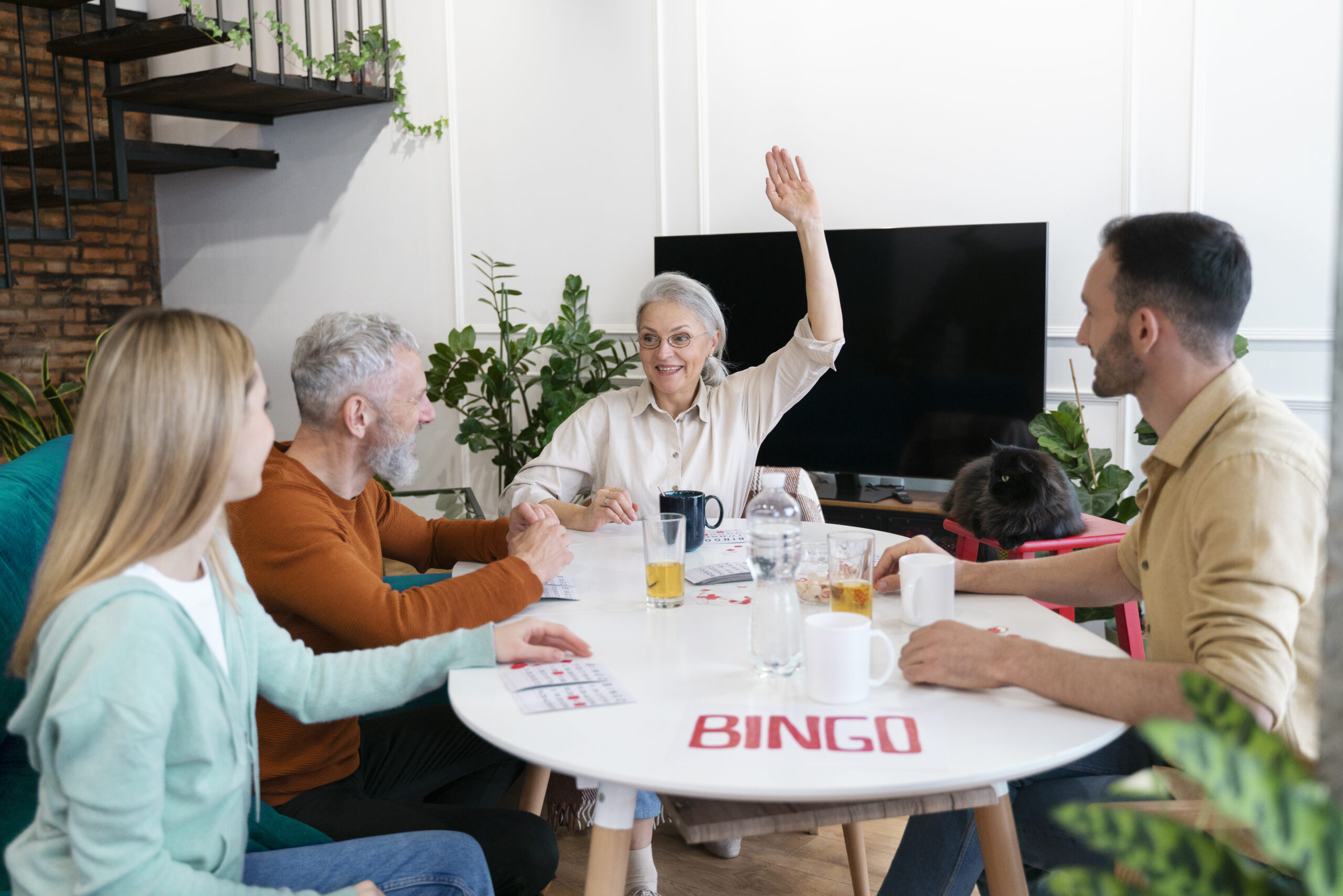
Have you ever noticed how talking with someone can instantly improve your mood? For seniors, social interaction is more than just enjoyable. It is an important part of staying healthy and feeling fulfilled.
Spending time with others helps older adults stay mentally sharp, emotionally balanced, and connected to the world around them. Strong social bonds can make each day feel brighter and more meaningful. Let’s dive deeper into this topic.
What Senior Wellness Really Means
Senior wellness includes physical health, mental strength, and emotional well-being. As people age, life changes such as retirement, health concerns, or the loss of loved ones can reduce social contact. When social interaction decreases, feelings of loneliness may grow.
This can affect mood, confidence, and overall health. Staying socially active helps seniors maintain a sense of belonging and purpose.
How Social Interaction Supports the Mind
Regular conversation keeps the brain active. Talking, listening, and sharing stories help stimulate memory and thinking skills. These moments encourage seniors to stay curious and engaged.
Social interaction also introduces new ideas and experiences, which can help keep the mind sharp. Even simple discussions can support mental clarity and improve focus over time.
Emotional Health Through Connection
Emotional support is a key benefit of staying socially connected. Friends, family members, and neighbors provide comfort and understanding. Having someone to talk to can reduce stress and ease feelings of worry or sadness.
Emotional bonds create a sense of safety and reassurance, helping seniors feel valued and supported during life’s challenges.
Staying Active With Others
Social activities often encourage physical movement as well. Group walks, exercise classes, or shared hobbies motivate seniors to stay active. Participating in fun activities for senior wellness makes these routines more enjoyable and easier to maintain.
Moving together supports physical health while strengthening relationships. This balance of movement and connection can improve energy levels and confidence.
Reducing Loneliness and Isolation
Loneliness can have a serious impact on senior health. Regular social contact helps reduce feelings of isolation and builds positive routines.
Meeting new people or reconnecting with old friends can open doors to meaningful friendships. These relationships add joy to daily life and help seniors feel connected to their community.
Simple Ways to Stay Social
There are many easy ways for seniors to stay socially engaged. Community centers often host events that bring people together. Volunteer opportunities offer a chance to give back while meeting others.
Technology also plays a role, allowing seniors to stay in touch with loved ones through phone calls or video chats. Family gatherings, shared meals, or casual outings all help maintain strong bonds. Every interaction, no matter how small, adds value.
Long-Term Health Benefits of Social Engagement
Staying socially active supports long-term health. Seniors who maintain regular social connections often experience better emotional balance and lower stress levels.
Social engagement may reduce the risk of certain health conditions and support brain health. Over time, these benefits contribute to a better quality of life and greater independence.
Finding the Right Community
The path to better wellness often begins with finding the right community. Seniors are encouraged to explore local clubs, events, or organizations that feel welcoming and enjoyable. Building relationships and sharing experiences leads to a richer, more connected life.
Through social interaction, seniors can continue to grow, learn, and thrive at every stage of life. Loved this post? Check out the rest of our blog for even more great content!