Throughout history, kilts for men have symbolized heritage, individuality, and timeless fashion. Originally worn by Highland clansmen, the kilt has grown from a traditional garment into a globally recognized piece of clothing admired for its unique design, cultural significance, and remarkable versatility. Today, men across the world wear kilts not only to celebrate tradition but also to express confidence, comfort, and personal style.
From ceremonial events to modern street fashion, kilts have evolved while preserving their deep connection to the proud traditions of Scotland. The garment represents more than just clothing—it reflects history, craftsmanship, and cultural identity that has endured for centuries.
The Origins and Historical Importance of Kilts
The history of the kilt dates back to the 16th century in the Scottish Highlands. The earliest form of the kilt, known as the Great Kilt or féileadh mòr, consisted of a large piece of wool cloth wrapped around the body and secured with a belt. This garment served multiple practical purposes for Highland warriors and travelers. During the day it functioned as clothing, while at night it could be used as a blanket for warmth.
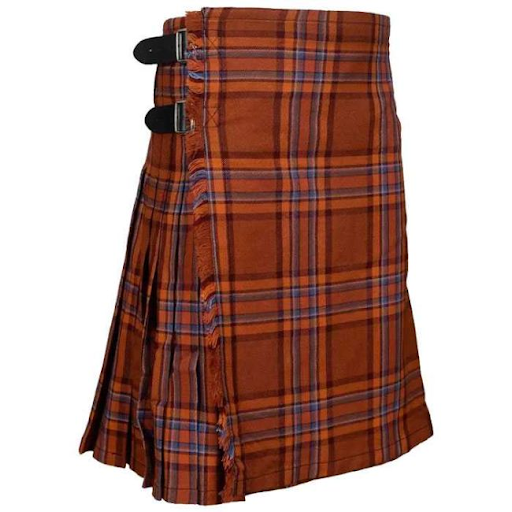
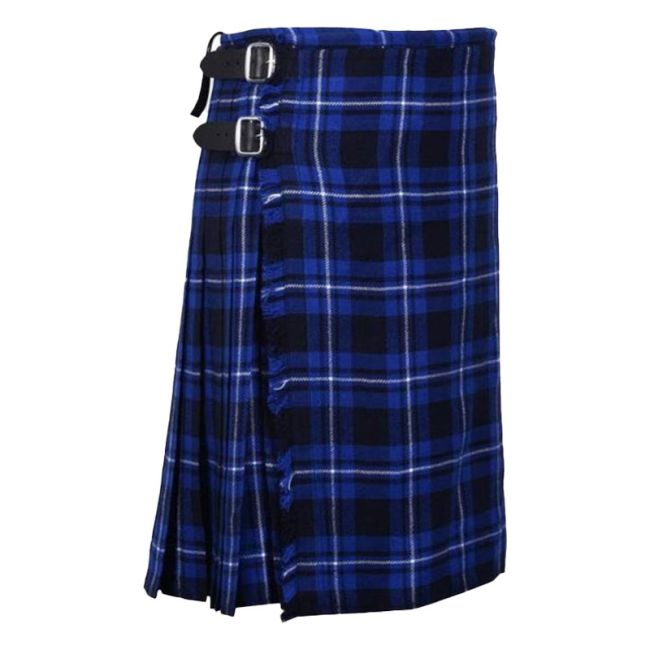
Over time, the design evolved into the modern kilt, which is more tailored and structured. The modern version features carefully stitched pleats at the back and a smooth overlapping apron at the front. This design not only improved mobility but also created the distinctive silhouette that kilts are known for today.
Tartan fabric played an important role in the development of the kilt. Each tartan pattern represented specific clans, families, or regions. Wearing a particular tartan signified loyalty, lineage, and pride in one’s heritage. Even today, many men choose tartan kilts to honor their ancestry or celebrate Scottish culture.
Why Kilts for Men Remain Popular Today
Although kilts originated centuries ago, they continue to attract attention in modern fashion. Men today appreciate kilts for their comfort, cultural meaning, and distinctive appearance. Unlike ordinary clothing, a kilt instantly stands out and conveys confidence and individuality.
Several factors contribute to the continued popularity of kilts for men:
Cultural Pride and Heritage
Kilts remain an essential part of Scottish cultural identity. They are commonly worn at weddings, Highland games, national celebrations, and cultural festivals.
Comfort and Freedom of Movement
The pleated construction of a kilt allows excellent airflow and mobility. This makes kilts comfortable to wear during long events or outdoor activities.
Unique Fashion Statement
In a world dominated by standard trousers and suits, a kilt offers a bold and stylish alternative. Many men choose kilts because they want to express a sense of individuality.
Versatility for Different Occasions
Modern kilts can be styled for both formal and casual events. From traditional ceremonies to everyday wear, kilts adapt easily to different situations.
Types of Kilts for Men
Today’s market offers a wide range of kilts designed for different preferences, materials, and occasions. Understanding the different types can help men choose the style that best suits their needs.
Traditional Tartan Kilts
Traditional tartan kilts remain the most recognizable style. These kilts are usually crafted from wool and feature intricate tartan patterns associated with Scottish clans. They are typically worn for formal occasions such as weddings, ceremonies, and cultural celebrations.
Utility Kilts
Utility kilts are a modern adaptation created for practicality and everyday use. These kilts are often made from durable fabrics like cotton or poly-viscose and feature functional pockets, straps, and metal hardware. They are popular among men who want a comfortable garment suitable for work, travel, or casual outings.
Leather Kilts
Leather kilts offer a bold and contemporary interpretation of the traditional garment. These kilts are often favored in alternative fashion communities and among individuals who want a distinctive, modern look while still embracing the traditional kilt structure.
Hybrid Kilts
Hybrid kilts combine elements of traditional tartan with modern fabrics or contrasting panels. These designs provide a balanced blend of heritage and modern fashion, making them appealing to younger generations who appreciate both style and tradition.
Essential Accessories for a Complete Kilt Outfit
A traditional kilt outfit includes several accessories that enhance both function and appearance. These accessories complete the classic Highland look and add authenticity to the overall outfit.
Sporran
A sporran is a pouch worn at the front of the kilt. Since kilts do not have pockets, the sporran provides a practical way to carry small items.
Kilt Belt and Buckle
A wide leather belt with a decorative buckle helps secure the kilt and adds a strong visual element to the outfit.
Kilt Hose
These are knee-length socks worn with the kilt. They are usually folded just below the knee and may be accompanied by decorative flashes.
Ghillie Brogues
Traditional lace-up shoes designed specifically for Highland dress.
Kilt Jackets and Waistcoats
Formal jackets such as the Prince Charlie jacket are commonly worn for weddings and ceremonial events.
Together, these elements create a sophisticated and historically inspired outfit.
How to Choose the Right Kilt
Selecting the perfect kilt involves several important considerations. A high-quality kilt should provide comfort, durability, and authentic craftsmanship.
When choosing kilts for men, consider the following factors:
Fabric Quality
Wool kilts offer traditional authenticity, while cotton or poly-viscose kilts provide lightweight comfort for everyday wear.
Fit and Measurements
Kilts are worn at the natural waist rather than the hips. Proper measurements ensure the garment falls correctly at knee level.
Pleating Style
Pleats add movement and structure to the kilt. Well-crafted pleats improve both comfort and visual appeal.
Purpose and Occasion
Some kilts are designed for formal ceremonies, while others are intended for casual wear or outdoor activities.
Investing in a well-made kilt ensures long-lasting durability and a refined appearance.
The Growing Global Demand for Kilts
Over the past decade, the demand for kilts has expanded far beyond Scotland. Cultural festivals, Highland games, fashion trends, and historical interest have introduced kilts to new audiences around the world.
In countries like the United States, kilts have become increasingly popular for weddings, cultural celebrations, and even modern fashion. Many men appreciate the garment not only for its historical significance but also for the confidence and individuality it represents.
Today, people from diverse backgrounds enjoy wearing kilts as a symbol of heritage, creativity, and distinctive style.
For enthusiasts looking to explore authentic Highland-inspired garments, there are many options available today, including kilt for sale in United States, making it easier than ever for men to experience the timeless appeal of this iconic garment.
Frequently Asked Questions About Kilts for Men
What is the purpose of a kilt for men?
A kilt is a traditional garment originally worn in the Highlands of Scotland. Historically, it represented clan identity and cultural heritage. Today, kilts for men are worn for ceremonies, weddings, cultural festivals, Highland games, and modern fashion.
Are kilts only worn by Scottish people?
No. While kilts originate from Scottish culture, men from many countries now wear them. Kilts are popular worldwide for cultural events, weddings, festivals, and even casual fashion.
What are kilts for men made from?
Traditional kilts are usually made from wool tartan fabric. Modern kilts may also be made from materials such as cotton, poly-viscose blends, denim, or leather, depending on the design and purpose of the kilt.
How should a kilt fit a man?
A kilt should be worn at the natural waist rather than the hips. The length of the kilt typically reaches the middle of the kneecap. A properly fitted kilt should feel secure, comfortable, and allow free movement.