
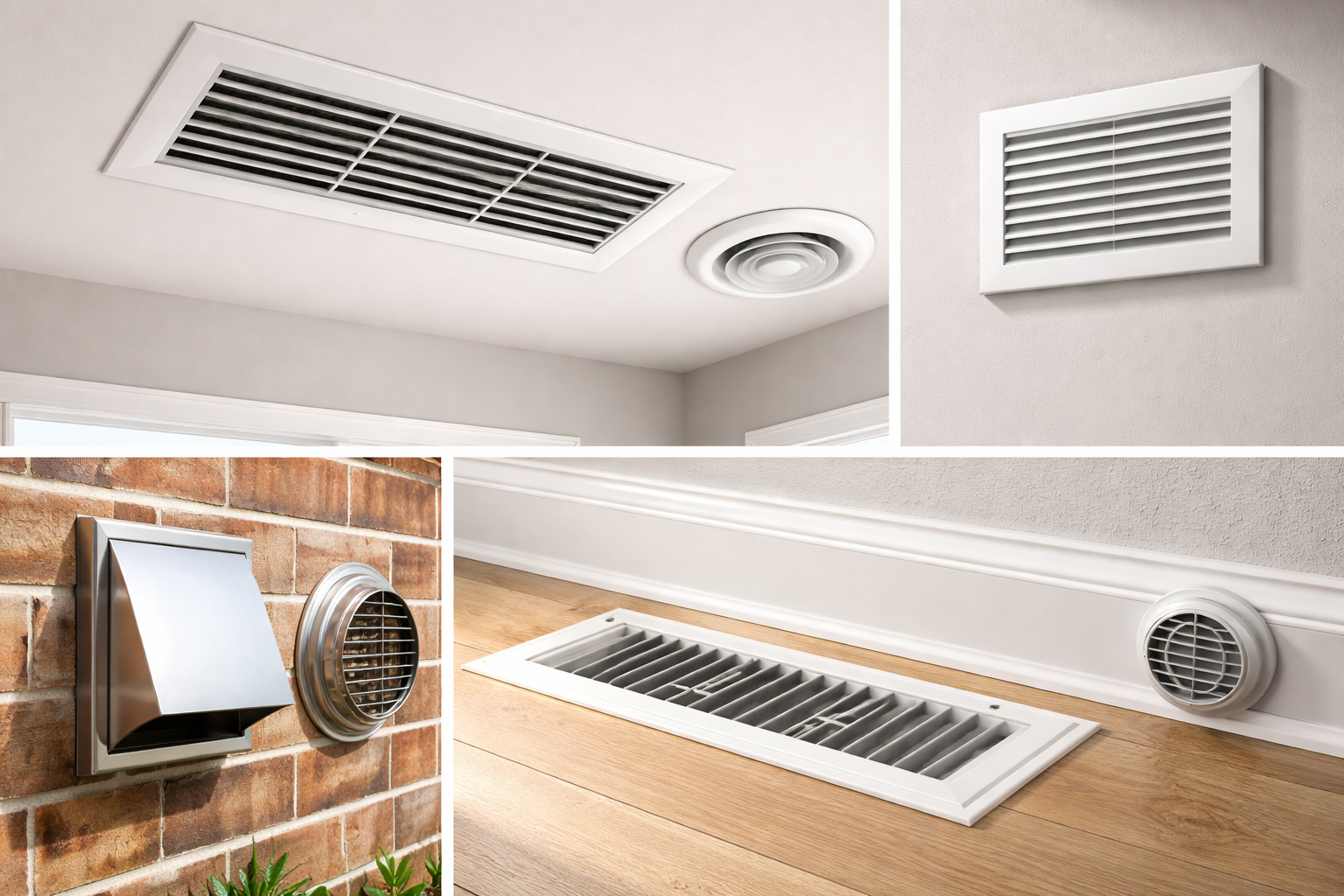
As a homeowner, there are so many little things you need to deal with that it’s easy for major issues to slip past you. For example, airflow is a major determining factor in how fresh your home feels and also how easy it is for you to avoid problems like dampness. Too much airflow, though, especially in the winter, can lead to significant temperature drops. That’s where trickle vents come in.
However, if you look around, you might find plenty of commentary claiming that trickle vents are unnecessary or ineffective. Is that true? To help you understand the value of trickle vents, we reached out to Lock & Key Bradford. As expert locksmiths, they know more than just basic lock changes – they understand home security and conditioning. So, what did we learn? Are trickle vents really necessary, or can you do without them?
The Trickle Vents Debate: Are They Needed?
So, the first thing to note is that, in many households, yes, trickle vents are necessary. This is thanks to changes to the Building Regulations Approved Document, specifically Part F. Introduced in June 2022, this building regulations document focused on improving airflow and ventilation quality in UK households. This regulation is very important in the debate around trickle vents.
The quality of air became a pretty consistent talking point within the building industry. Many houses were not getting enough high-quality airflow, leading to poor indoor air quality and dampness due to a lack of fresh air entering the buildings. This new regulation focused on addressing this issue, and one of the recommendations was installing window trickle vents.
The regulation was pretty simple:
- If you already have trickle vents on your windows, any new windows that replace your current windows MUST have trickle vents of at least the same size as the previous installation.
- If you don’t already have trickle vents, then you would need to demonstrate to regulators that your new windows wouldn’t worsen the quality of airflow – that’s hard to prove.
On the second point, it stands to reason that most newly installed windows will be more airtight than the older windows they replace. As such, it would be very difficult to install windows without trickle vents that would allow for more airflow; in the majority of cases, then, that means replacement windows would need to include window trickle vents to ensure compliance with this new regulation.
So, are trickle vents necessary? In many cases, yes. Any new windows you install in your home should really come with trickle vents; they are a beneficial addition with no real drawbacks.
When Trickle Vents Matter Most
Now that you understand that trickle vents are, for the most part, necessary, let’s look at when they are most applicable and appropriate.
Rooms With Poor Ventilation
The first place we always start with when recommending trickle vents is with properties that lack quality ventilation. This is quite common, especially in older buildings or properties that have not been properly maintained. Poor ventilation can be especially common in drying and washing rooms, as well as many bathrooms – especially in apartment buildings where windows are smaller.
Trickle vents can be easily fitted to most windows that you already have, so it’s not always the case of having to rip out the old windows entirely. Most of the time, any room with limited or poor ventilation will benefit from trickle vents, as they allow a steady, simple flow of air into the room. Poorly ventilated rooms can become high risk for humidity, dampness, mould, and poor air quality, so it might be worth installing trickle vents in any room that you feel meets this description.
Airtight Households
In many households, air tightness is seen as a good thing – and it normally is. However, airtightness can lead to poor air replacement over time. That means air does not flow from outside into your home. As a result, rooms can become stuffy and stale; they might even become a little damp over time.
We all know that feeling when you walk into a house that has not had the windows open for weeks, right? You feel the staleness in the air. It feels uncomfortable to sit within. Well, airtight homes can wind up like this even if you don’t quite realise it. Airtight homes generally have lower energy loss and thus cheaper energy bills, but installing trickle vents can make it easier to ensure quality airflow and reduce the risk of the property becoming overly stale without having to crank open those windows.
High Humidity Rooms
Many rooms in your household can have high humidity due to appliance use. That could include bathrooms, kitchens, and washing/drying rooms. These rooms can have high humidity, which, if left unchecked, can lead to dampness. Eventually, if the dampness is not dealt with, it can turn into mould – a genuine health hazard you should never ignore.
By installing trickle vents in the windows of these high-humidity rooms, you can gradually replace the humid, damp air with fresh, dry air from the outside. It might not eliminate humidity, but it will definitely help mitigate it. That can reduce the risk of dampness and mould, but it also makes these rooms much more comfortable to spend time in, as the air feels fresher.
Evaluate Your Airflow, But Consider Installing Trickle Vents
Now, we hope that you can see why and when trickle vents are a worthwhile investment for you. In some cases, it might not be suitable to install trickle vents, but such cases are few and far between. Really, your best bet is to evaluate the airflow quality in a room before making a final choice.
If you are ever uncertain, it would be wise to bring in a window installation company and ask for their professional opinion; most of the time, though, it would be better to fit window trickle vents where and when you can.