Have you ever seen someone get hurt and not know what to do?
Basic first-aid skills can help you stay calm and act fast during an emergency. A small cut, a burn, or a person who cannot breathe can happen at any time. Knowing simple first-aid steps may help save a life before help arrives.
Want to learn the top first-aid skills that can make a big difference? Let’s dive in.
1. CPR Can Help Save a Life
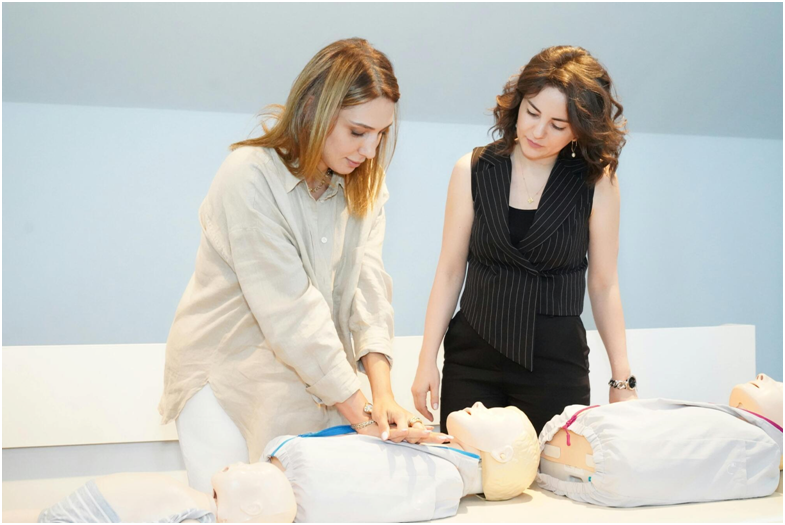
CPR is one of the most important first-aid skills to learn. It is used when a person’s heart stops beating. CPR helps move blood and oxygen through the body until medical help arrives. Fast action can help save a person’s life.
First, check if the area is safe. Make sure there is no danger nearby. Then check if the person responds. If there is no response, call emergency services right away.
Place both hands in the middle of the chest. Push hard and fast in steady motions. If trained, give two rescue breaths after every 30 chest pushes. Keep going until help arrives. Learning CPR through trusted programs like MyCPR NOW can help people feel more ready during emergencies.
2. Choking Needs Fast Action
Choking happens when food or another object blocks the airway. A person who is choking may not be able to speak or breathe. Quick action is very important.
For adults, stand behind the person and wrap both arms around the waist. Make quick upward pushes until the object comes out. This is called the Heimlich maneuver.
For babies, place the infant face down along the arm. Give five gentle back blows between the shoulders. These steps may help clear the airway and allow breathing again.
3. Clean Cuts and Scrapes the Right Way
Small cuts and scrapes are common at home, school, or work. Even small wounds need proper care to stop infection.
Wash your hands before touching the wound. Rinse the cut gently with clean water to remove dirt. Use an antiseptic to help clean the area. Cover the wound with a clean bandage to protect it. A simple first-aid kit should have bandages, gauze, and antiseptic wipes. Keeping these items nearby can help during small accidents.
4. Rest Helps Sprains and Strains Heal
Sprains and strains can happen during sports or daily activities. These injuries affect muscles and joints. Pain and swelling are common signs.
A simple way to care for these injuries is the R.I.C.E method. Rest the injured area and avoid heavy movement. Put ice on the area to help lower swelling. Wrap it with an elastic bandage for support. Keep the injured body part raised above the heart when possible. These steps may help reduce pain and speed up healing.
Know the Signs of Shock
Shock is a serious condition that may happen after a bad injury or sudden illness. A person in shock may look weak, confused, or pale. Fast breathing and a quick pulse are also common signs.
Call emergency services right away if shock is suspected. Help the person lie down and stay calm. Cover them with a blanket to help keep the body warm until medical help arrives.
Basic First-Aid Skills: Be Ready When Every Second Counts
Learning basic first-aid skills can help during sudden emergencies. CPR, choking care, wound cleaning, and shock support are simple skills that may save lives. These steps also help people stay calm and act fast when someone needs help.
Taking time to learn first aid today can make a big difference tomorrow.
You can check out our website for more awesome content like this!