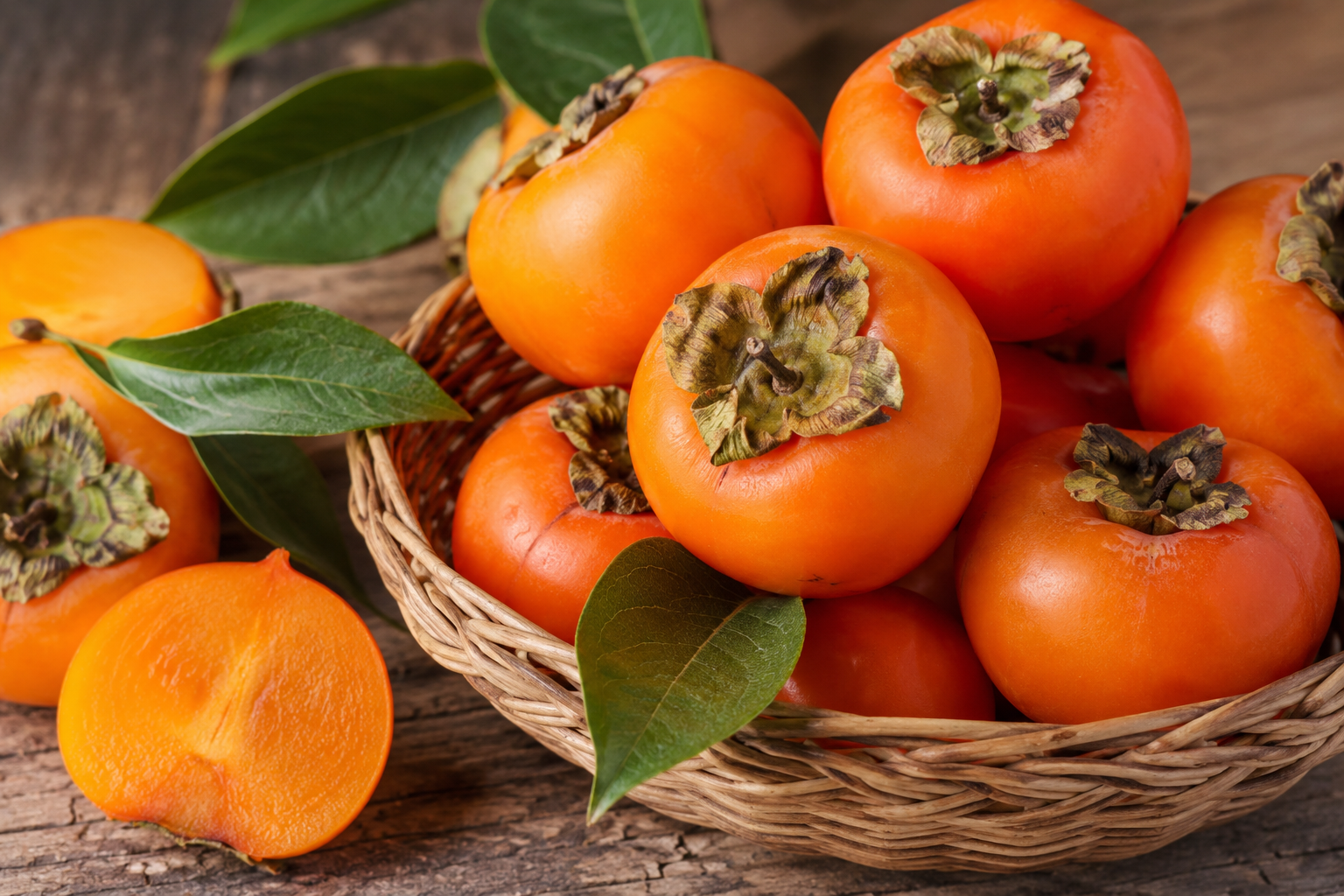
In recent years, caquis persimon has rapidly gained popularity among fruit lovers, chefs, nutrition experts, and health-conscious consumers around the world. Known for its vibrant orange color, naturally sweet flavor, and smooth texture, this autumn fruit has become a standout ingredient in both traditional and modern cuisine. Whether enjoyed fresh, sliced into salads, blended into smoothies, or used in desserts, caquis persimon offers a unique taste experience that appeals to people of all ages.
The growing international demand for caquis persimon is not just about flavor. Consumers are increasingly searching for healthy, natural foods packed with vitamins, antioxidants, and fiber. As a result, this once regionally known fruit is now appearing in supermarkets, specialty food stores, and gourmet restaurants across Europe, Asia, and North America. Understanding why caquis persimon is becoming a global favorite reveals much about changing food trends and modern dietary preferences.
What Is Caquis Persimon?
Caquis persimon is a premium variety of persimmon fruit that is carefully cultivated to deliver a sweet taste without the excessive softness commonly associated with traditional persimmons. Unlike some older persimmon varieties that must become almost jelly-like before eating, caquis persimon can be enjoyed while still firm and crisp, making it more appealing to a wider audience.
Originally popular in Spain, the fruit is now exported worldwide due to its consistent quality and attractive appearance. The word “caquis” refers to persimmons in Spanish, while “persimon” is often used as a branded or premium market name for this specific variety. Its balanced sweetness and easy-to-eat texture have helped it stand out in the competitive global fruit market.
The Unique Flavor That Makes It Special
One of the biggest reasons caquis persimon has become so popular is its remarkable flavor. The fruit combines natural sweetness with subtle honey-like notes, creating a refreshing and satisfying taste. Unlike many sugary snacks or processed desserts, caquis persimon provides sweetness directly from nature.
The texture also plays a major role in its popularity. Many consumers appreciate that it remains firm enough to slice neatly while still being juicy and tender. This versatility allows people to enjoy it in multiple ways, from breakfast bowls to elegant dinner presentations. The fruit’s flavor profile pairs well with yogurt, cheese, nuts, and spices like cinnamon, making it ideal for culinary creativity.
A Nutritional Powerhouse for Healthy Living
Modern consumers are paying closer attention to nutrition, and caquis persimon fits perfectly into healthy lifestyle trends. The fruit contains several essential vitamins and minerals that support overall wellness. It is particularly rich in vitamin A, vitamin C, dietary fiber, and antioxidants.
Vitamin A contributes to healthy vision and immune function, while vitamin C supports skin health and helps protect the body against illness. The fiber content in caquis persimon may assist digestion and promote feelings of fullness, which can be beneficial for weight management. Additionally, antioxidants found in the fruit help combat oxidative stress, a process associated with aging and various health concerns.
Because it is naturally sweet yet nutrient-dense, many people choose caquis persimon as a healthier alternative to processed desserts and sugary snacks.
Why Caquis Persimon Is Trending Worldwide
The rise of social media food culture has played a major role in the growing popularity of caquis persimon. Food bloggers, nutrition influencers, and chefs frequently showcase the fruit in colorful recipes and visually appealing presentations. Its bright orange color photographs beautifully, making it highly attractive on platforms focused on food and lifestyle content.
Global consumers are also becoming more adventurous with their diets. People today are more willing to try international fruits and discover new flavors from different cultures. As supermarkets expand their imported produce sections, caquis persimon has gained exposure among shoppers seeking something unique yet approachable.
Another factor behind its success is convenience. Unlike some exotic fruits that require complicated preparation, caquis persimon is easy to wash, slice, and eat. This simplicity appeals to busy consumers looking for healthy food options without extra effort.
The Spanish Connection and Global Expansion
Spain has become one of the leading producers and exporters of caquis persimon. The country’s favorable climate and agricultural expertise allow growers to produce high-quality fruit with consistent sweetness and texture. Spanish producers have invested heavily in international marketing and export infrastructure, helping introduce the fruit to global markets.
The fruit is particularly associated with the Ribera del Xúquer region in Valencia, where persimmon cultivation has become an important agricultural industry. Over time, improved farming techniques and branding strategies transformed caquis persimon from a local specialty into an internationally recognized fruit.
As exports expanded, consumers in countries across Europe, the Middle East, Asia, and North America became more familiar with the fruit. Today, many grocery chains actively promote caquis persimon during the autumn season due to increasing customer demand.
Seasonal Appeal Adds to Its Popularity
Caquis persimon is strongly associated with autumn, and this seasonal connection has helped boost its appeal. As temperatures cool and consumers begin searching for comforting, flavorful foods, the fruit enters the market at the perfect time.
Its vibrant orange appearance also matches the visual aesthetics of the autumn season. During fall, consumers often seek warm-toned produce such as pumpkins, sweet potatoes, and seasonal fruits. Caquis persimon naturally fits into this trend, making it a favorite ingredient in seasonal recipes and festive dishes.
Because it is only available during certain months of the year, the fruit also benefits from a sense of exclusivity. Seasonal products often generate more excitement because consumers know they are only temporarily available.
Popular Ways to Eat Caquis Persimon
One of the reasons caquis persimon appeals to such a broad audience is its versatility in the kitchen. The fruit can be eaten fresh on its own or incorporated into numerous recipes. Many people enjoy slicing it into salads alongside arugula, walnuts, and goat cheese for a sweet and savory combination.
Smoothie enthusiasts often blend caquis persimon with bananas, yogurt, and cinnamon to create naturally sweet beverages packed with nutrients. Bakers use the fruit in cakes, muffins, and tarts to add moisture and flavor without excessive added sugar.
In gourmet cuisine, chefs frequently pair caquis persimon with cured meats, seafood, or artisan cheeses. Its sweet profile complements salty and savory flavors exceptionally well, making it a sophisticated ingredient in modern culinary creations.
The Growing Demand for Natural Foods
The increasing popularity of caquis persimon reflects broader changes in consumer behavior. More people are moving away from heavily processed foods and seeking fresh, natural ingredients that provide both taste and health benefits.
Consumers today are especially interested in fruits that feel premium yet wholesome. Caquis persimon satisfies this demand because it offers a luxurious eating experience while remaining entirely natural. The fruit’s clean-label appeal aligns with modern wellness trends focused on simplicity and authenticity.
As plant-based eating and healthy snacking continue to grow worldwide, fruits like caquis persimon are expected to remain highly desirable in international markets.
Agricultural Innovation Behind the Fruit’s Success
The success of caquis persimon is not accidental. Agricultural innovation has played a major role in improving the fruit’s texture, shelf life, and transportation quality. Farmers and researchers have developed specialized cultivation and post-harvest techniques to ensure the fruit arrives in excellent condition even after international shipping.
Traditional persimmons were often difficult to market because they could become overly soft and delicate. Modern production methods for caquis persimon allow the fruit to maintain firmness while still delivering sweetness. This improvement has significantly increased consumer acceptance and retailer confidence.
Better packaging, storage, and distribution systems have also helped expand the fruit’s availability around the world. Today, consumers can often find fresh caquis persimon in supermarkets far from its original growing regions.
Why Health Experts Recommend It
Nutrition professionals often recommend caquis persimon as part of a balanced diet due to its impressive nutritional profile. The fruit contains relatively few calories while providing valuable nutrients and natural sweetness.
Its fiber content may help support digestion and maintain stable energy levels throughout the day. Because it satisfies sweet cravings naturally, many health-conscious individuals use it to reduce reliance on processed sugary foods.
The antioxidants present in caquis persimon are another major advantage. These compounds help protect cells from damage caused by free radicals, contributing to overall health and wellness. Combined with its vitamin-rich composition, the fruit represents an excellent choice for consumers focused on long-term healthy eating habits.
The Future of Caquis Persimon
The future looks extremely promising for caquis persimon as global interest in premium fruits continues to grow. Increasing awareness of nutrition, seasonal produce, and international cuisine will likely drive even more demand in the coming years.
Food retailers are expected to continue expanding their offerings of exotic and specialty fruits, giving consumers greater access to products like caquis persimon. At the same time, chefs and food creators will likely develop even more innovative ways to use the fruit in recipes and dining experiences.
As sustainability and healthy eating become even more important to consumers worldwide, naturally nutritious fruits with strong visual appeal and excellent flavor will remain highly valuable in the marketplace.
Conclusion
Caquis persimon has successfully transformed from a regional specialty into a globally admired autumn fruit. Its naturally sweet flavor, crisp texture, nutritional benefits, and culinary versatility have made it a favorite among consumers seeking healthier and more exciting food choices.
The fruit’s rise reflects changing global food trends focused on freshness, wellness, and authentic flavors. Supported by agricultural innovation and growing international demand, caquis persimon continues to gain recognition in kitchens and supermarkets worldwide.
Whether enjoyed fresh, blended into smoothies, or incorporated into gourmet dishes, caquis persimon offers a delicious and nutritious experience that perfectly captures the flavors of autumn. As more people discover its unique qualities, its popularity is likely to continue growing for years to come.