Introduction: Understanding the Role of a Medium
In the world of psychic culture, the phrase “famous mediums” often conjures images of individuals who claim to serve as conduits between the living and the unseen. These spiritual guides shape modern psychic culture by offering messages, insights, or healing that transcend ordinary experience. This article explores how mediums have evolved, highlights key figures, and examines their influence on our collective understanding of spirituality and the paranormal.
The Evolution of Mediumship and Psychic Culture
Mediumship has roots in the spiritualist movements of the 19th and early 20th centuries, where séance rooms, spirit tables, and trance states became widespread cultural phenomena. As modern psychic culture expanded into media, books, and internet platforms, the notion of “the medium” transformed into a professional and commercial role—bridging lost loved ones, offering intuitive counsel, or exploring metaphysical themes.
Why Certain Media Become “Famous”
A medium becomes notable when its work reaches mass audiences, incorporates media (TV, books, the internet), or connects with significant cultural moments. Their fame often comes not only from claimed psychic ability but also from storytelling, branding, and public reach. Their influence is important because they help normalize psychic and spiritual ideas in society, shaping how people talk about intuition, the afterlife, and unseen guidance.
Case Study: Edgar Cayce — The “Sleeping Prophet”
Edgar Cayce (1877-1945) earned his nickname by entering a self-induced trance to deliver his paranormal “readings” on health, spirituality, past lives, and future events. He provided more than 14,000 documented readings, founded the non-profit Association for Research and Enlightenment, and remains influential in New Age and holistic spirituality. His work helped shift mediumship from casual séance settings to organized spiritual systems, blending psychic insight with holistic health, reincarnation, and metaphysics.
Case Study: John Edward — Bringing Mediumship to Mainstream Media
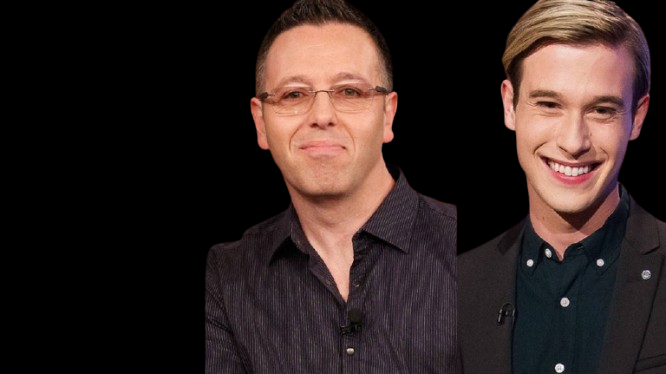
John Edward (born 1969) is an American psychic medium who became widely recognized through television shows, tours, and books. His show “Crossing Over with John Edward” made the idea of a medium reading messages from the “other side” accessible to mainstream audiences. He helped popularize the concept that people can receive meaningful messages from deceased loved ones—and in doing so, normalized psychic mediumship in mainstream culture.
Other Influential Media and Their Contributions
Beyond these two, many other media have shaped modern psychic culture:
- Leslie Flint (1911-1994) was a British medium famed for his “direct-voice” séances, during which he claimed to channel spirit voices in the room.
- Florence Cook (c.1856-1904) was a controversial Victorian materialization medium whose séances generated significant attention (and skepticism).
- Daniel Dunglas Home (1833-1886) was a Scottish physical medium reputed to levitate and produce knocks in séance rooms—making him one of the most famous 19th-century mediums.
- Each of these helped expand the cultural vocabulary around mediums—whether through physical phenomena, spirit communication, or media representation—and thus contributed to the modern psychic landscape.
How Famous Mediums Have Shaped Modern Psychic Culture
Famous mediums shape modern psychic culture in several ways:
- Language and framing: They help create the language we use—”messages from the other side,” “spirit guides,” “trance readings”—that many people now accept or explore.
- Commercialization and professionalization: They turn mediumship into a service or profession, opening up workshops, stage shows, books, podcasts, and online readings.
- Mainstream exposure: Through TV, streaming, social media, and books, these mediums bring psychic phenomena into public view—reducing taboos and expanding curiosity.
- Integration with complementary fields: Figures like Edgar Cayce bridged psychic work with holistic healing, reincarnation, wellness, and New Age spirituality—thus integrating psychic mediumship with broader spiritual-wellness culture.
Criticism, Skepticism, and Ethical Considerations
Of course, the influence of famous media is not without controversy. Skeptics point to cold reading, hot reading, psychological suggestion, and fraud. For example, some claim that John Edwards has used broad statements and audience cues. Some early mediums, like Florence Cook, were exposed for possible trickery. Ethical concerns include exploitation of grief, unverified claims, and lack of scientific evidence. Modern psychic culture must balance belief and critical enquiry, especially when people seek solace in the face of grief or trauma.
The Legacy: What We Learn from These Spiritual Guides
The legacy of famous mediums is less about proving the supernatural than about how they changed our culture’s relationship to mystery, loss, and intuition. They invite us to consider that there may be more to consciousness than the everyday, and they offer frameworks (whether you believe or not) for exploring those possibilities. For many, the presence of a medium means hope, connection, and meaning; for others, it means curiosity, caution, and investigation.
How to Engage with Mediumship Thoughtfully
If you’re exploring mediumship or psychic culture, here are a few thoughtful approaches:
- Be aware of your motivations: Are you seeking connection, healing, or entertainment? Understand what you hope to get.
- Question credentials: Famous mediums may have large followings, but always ask what they’re offering, how they’re providing it, and what limits or disclaimers apply.
- Balance intuition with critique: It’s fine to explore psychic experiences, but maintain healthy skepticism about claims that go beyond evidence.
- Respect emotional contexts: Many people turn to mediums in grief or trauma—so approach with compassion and caution, not desperation.
- Recognize cultural shifts: Mediumship today differs from the 19th century. It’s framed by media, wellness culture, online presence—and you’ll be navigating an evolved landscape.
Conclusion: The Ongoing Influence of Famous Media
Famous mediums have shaped modern psychic culture by bringing ideas of spiritual communication, intuition, and the unseen into collective awareness. From Edgar Cayce’s trance readings to John Edward’s televised message sessions, these individuals have helped create the frameworks through which many people now engage with mediumship. While belief in their claims varies, their influence is real: they allow us to talk about life after death, intuitive knowing, and the possibility of guidance beyond the ordinary. As psychic culture continues to evolve, the legacy of these spiritual guides endures—inviting each of us to explore what lies beyond, with both wonder and discernment.