Understanding Nahttypen is one of the most important steps in mastering sewing, whether you are a beginner working on your first garment or an experienced tailor refining professional techniques. Seams are the structural backbone of any textile project. They determine how a garment fits, how long it lasts, how comfortable it feels, and how polished it looks.
In this complete guide to Nahttypen, you will learn about the most important seam types, where they are used, and how professionals apply them for durability, flexibility, and clean finishing. By the end, you will clearly understand how to choose the right seam for every project.
What Are Nahttypen?
The term Nahttypen refers to different types of seams used to join pieces of fabric together. A seam is created when two or more fabric layers are stitched along an edge. While this may sound simple, there are many variations depending on purpose, fabric type, and desired appearance.
Each seam type serves a specific function. Some are designed for strength, others for stretch, and some purely for decorative effect. Selecting the correct Nahttypen ensures your finished project looks professional and performs well over time.
Why Choosing the Right Nahttypen Matters
The choice of seam affects durability, comfort, flexibility, and overall garment quality. For example, sportswear requires stretchable seams, while jeans need extremely strong seams that can withstand tension.
Professional seam selection also improves garment longevity. Incorrect seam types can cause fraying, seam popping, or fabric distortion. Understanding Nahttypen allows you to avoid these problems and achieve clean, reliable results.
Plain Seam (Einfache Naht)
The plain seam is the most basic and widely used of all Nahttypen. It involves placing two pieces of fabric right sides together and stitching along the seam allowance.
This seam is commonly used in everyday garments such as shirts, dresses, and trousers. While simple, it often requires finishing techniques like zigzag stitching or serging to prevent fraying. The plain seam is ideal for woven fabrics where minimal stretch is needed.
French Seam (Französische Naht)
The French seam is a clean-finished seam that encloses raw edges inside the seam itself. It is particularly useful for lightweight or sheer fabrics such as chiffon or silk.
This type of Nahttypen is popular in high-end garments because it looks neat on both the inside and outside. It adds durability while maintaining a refined appearance. Although it requires extra stitching steps, the result is elegant and professional.
Flat-Felled Seam (Kappnaht)
The flat-felled seam is one of the strongest seam types available. It encloses raw edges and lies flat against the fabric, making it extremely durable.
This Nahttypen is commonly found in denim jeans and workwear. The visible double topstitching provides strength and a classic appearance. Flat-felled seams are ideal for garments exposed to stress and frequent washing.
Bound Seam (Eingefasste Naht)
A bound seam finishes raw edges by encasing them in binding tape. This technique improves durability and adds a decorative element.
This seam type is often used in unlined jackets, coats, or garments where the inside may be visible. It prevents fraying and enhances the overall quality of the garment.
Lapped Seam (Überlappungsnaht)
The lapped seam joins two fabric pieces by overlapping them rather than placing them right sides together. The layers are then stitched through both pieces.
This Nahttypen is commonly used in leatherwork and heavy fabrics where traditional seams would create bulk. It produces a strong, flat connection suitable for outerwear and accessories.
Zigzag Seam
A zigzag seam uses a zigzag stitch pattern instead of a straight stitch. It allows flexibility and prevents fabric edges from fraying.
This seam type is essential for knit fabrics because it accommodates stretch. Without a flexible seam, knit garments can tear when worn. Zigzag stitching is also frequently used for finishing seam allowances.
Overlocked Seam (Overlocknaht)
The overlocked seam is created using a serger or overlock machine. It trims, stitches, and finishes fabric edges simultaneously.
This modern Nahttypen is widely used in ready-to-wear clothing. It provides a clean finish and prevents fraying, especially in knit fabrics. Overlocked seams are efficient and durable, making them popular in mass production.
Taped Seam (Versiegelte Naht)
Taped seams involve applying seam tape over stitched seams to make them waterproof or reinforced.
This seam type is commonly used in rain jackets, outdoor gear, and sportswear. Seam sealing prevents water from penetrating through needle holes, ensuring protection against moisture.
Decorative Seams
Not all Nahttypen serve purely structural purposes. Decorative seams enhance garment design and style.
Examples include topstitched seams, piped seams, and welt seams. These seams add texture, dimension, and visual appeal. In professional tailoring, decorative seams are often used to highlight garment structure.
Seam Finishes and Their Importance
While choosing the right Nahttypen is essential, seam finishes are equally important. Seam finishing techniques prevent raw edges from fraying and improve comfort.
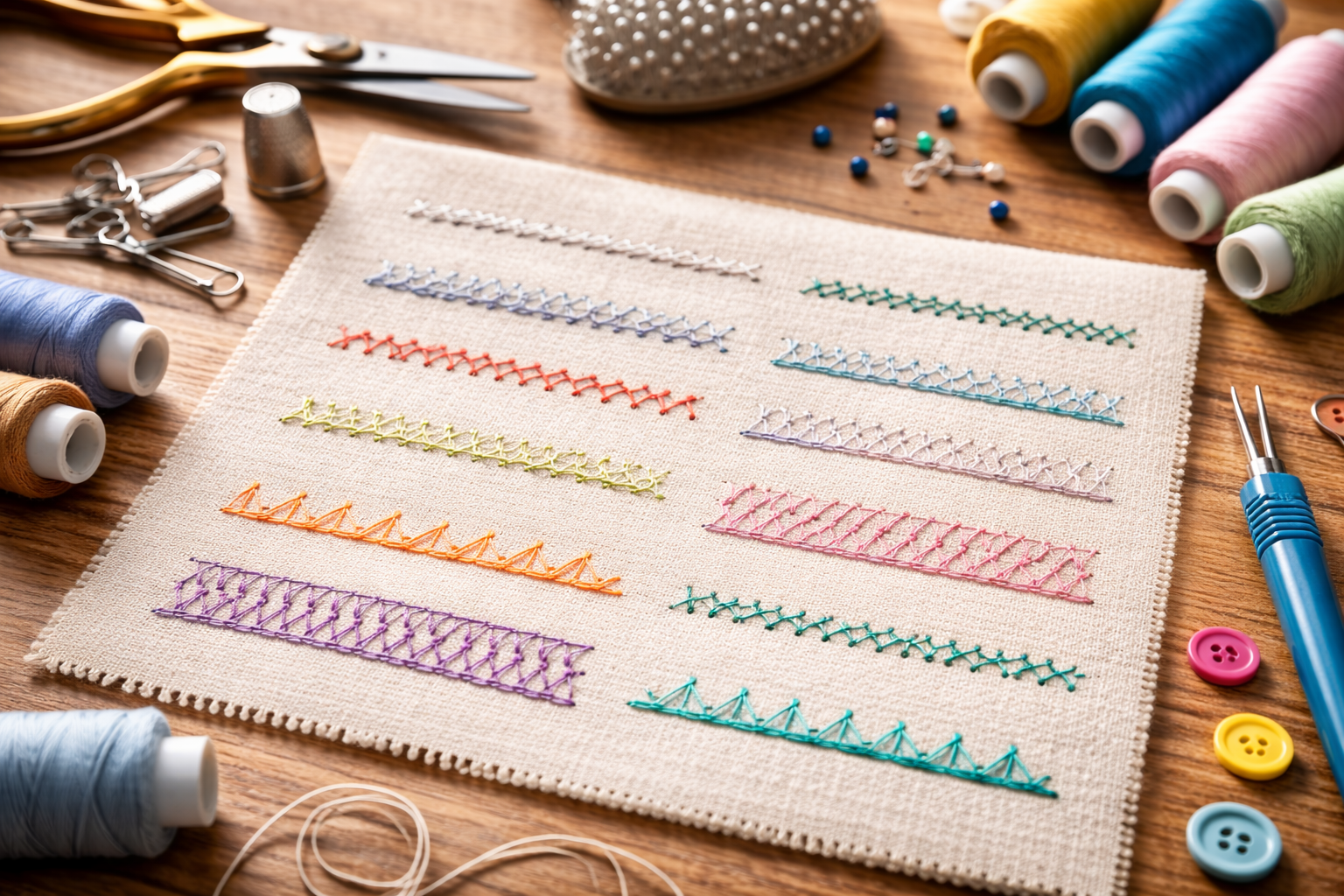
Common seam finishes include pinked edges, zigzag finishing, bias binding, and serging. Selecting the correct finish depends on fabric type and garment purpose. Proper seam finishing increases garment durability and elevates craftsmanship.
Choosing the Right Nahttypen for Different Fabrics
Different fabrics require different seam strategies. Woven fabrics typically use plain seams with finished edges, while knits require stretch-friendly seams like zigzag or overlocked seams.
Heavy fabrics such as denim or canvas benefit from flat-felled or lapped seams. Delicate fabrics perform best with French seams. Understanding fabric behavior helps determine the most suitable Nahttypen.
Professional Sewing Techniques for Stronger Seams
Professionals use specific techniques to enhance seam quality. Backstitching at the beginning and end of seams prevents unraveling. Proper seam allowances ensure consistent construction.
Pressing seams open or to one side improves garment appearance. Precision cutting and accurate alignment also play a crucial role. Mastering these techniques ensures every Nahttypen performs at its best.
Common Mistakes When Working with Nahttypen
One common mistake is using the wrong seam type for the fabric. For instance, applying a plain seam to stretch fabric may cause seam failure.
Another issue is ignoring seam allowance accuracy. Uneven seam allowances can distort garment shape. Additionally, failing to finish seams properly can lead to fraying and reduced durability. Attention to detail prevents these errors.
Industrial vs. Home Sewing Approaches
Industrial sewing machines often use overlocked seams for speed and efficiency. These machines combine trimming and stitching in one step.
Home sewing may rely more on plain seams with zigzag finishing. While industrial methods focus on productivity, home sewing allows for more customization and decorative Nahttypen techniques.
Advanced Nahttypen for Tailoring
Advanced seam techniques include welt seams, slot seams, and princess seams. These are used in structured garments such as blazers and coats.
Tailors carefully choose seam types to control garment shape and structure. Precision, pressing, and accurate pattern alignment are critical for advanced seam construction.
How Nahttypen Impact Garment Durability
The right seam type directly affects how long a garment lasts. Strong seams resist tension, washing stress, and movement.
Flat-felled and bound seams offer high durability. French seams protect delicate fabrics. Choosing appropriate Nahttypen reduces repair needs and extends garment life significantly.
Practical Tips for Beginners
If you are new to sewing, start with mastering the plain seam and zigzag seam. Practice on scrap fabric before working on garments.
Gradually experiment with French and flat-felled seams. Focus on consistency, proper pressing, and accurate measurement. Developing these habits builds a strong foundation in understanding Nahttypen.
Final Thoughts on Nahttypen
Nahttypen form the structural and aesthetic foundation of every sewn project. From basic plain seams to advanced tailoring techniques, each seam type has a specific purpose and application.
By understanding seam types, fabric behavior, and professional sewing methods, you can significantly improve your garment quality. Whether you sew for hobby or profession, mastering Nahttypen ensures durability, comfort, and a polished finish every time.