
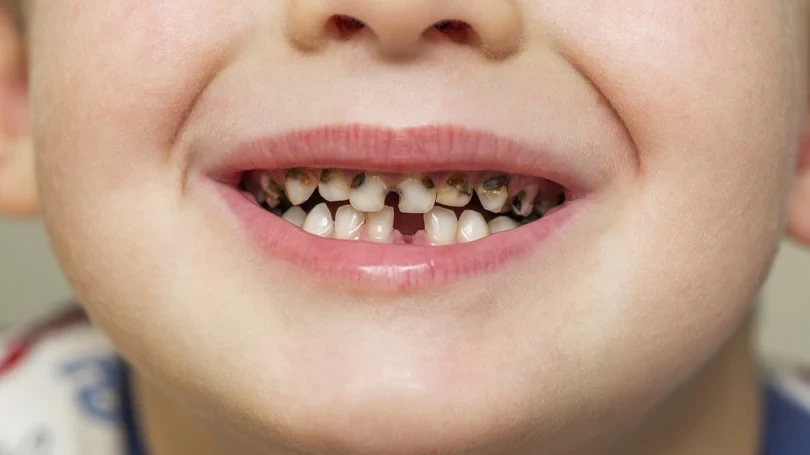
It is a common sight now. Children are sipping on juice boxes, snacking on biscuits between meals, or reaching for sweets after school. These habits often feel harmless in the moment, but over time, they create a pattern that accelerates tooth decay far earlier than many parents expect. Dentists are increasingly seeing younger patients with visible damage that progresses quickly once it begins. Many families only realise the severity when discomfort starts or cavities have already formed. A consultation with a kids dentist in Sydney often reveals that what seemed like normal eating habits are actually driving rapid dental deterioration in developing teeth.
Why Children Are More Vulnerable to Sugar-Related Damage
Children’s teeth are naturally more susceptible to damage than adult teeth. One of the key reasons is that their enamel is thinner and less mineralised, making it easier for acids to break it down. This means that even small amounts of repeated sugar exposure can have a stronger impact.
Frequent snacking also plays a major role. Children tend to eat more often throughout the day, particularly processed or packaged snacks that contain hidden sugars. Each time sugar is consumed, the teeth are exposed to an acid attack that can last 20 to 30 minutes. When this happens repeatedly, the enamel does not get enough time to recover.
Behaviour is another factor. Many children are still developing proper paediatric dental care habits at home. Inconsistent brushing, rushed routines, or skipping flossing allows sugar and plaque to remain on the teeth for longer periods, which steadily increases the risk of decay.
How Sugary Diets Affect Teeth Over Time
The impact of sugar on teeth is not direct. It works through a chain reaction inside the mouth. When children consume sugary foods or drinks, bacteria feed on the sugar and produce acids as a by-product. These acids attack the enamel, the protective outer layer of the tooth.
Over time, repeated acid exposure leads to demineralisation. This is the process where minerals are lost from the enamel, weakening its structure. Once the enamel becomes porous, small holes begin to form, which eventually develop into cavities.
The frequency of sugar intake is often more harmful than the amount. Constant sipping on sugary drinks or grazing on snacks throughout the day keeps the mouth in an acidic state, preventing natural repair processes from restoring enamel strength.
Early Signs of Dental Damage in Kids
One of the challenges with sugar-related damage is that it often begins quietly. The early signs are subtle and easy to miss unless you know what to look for. White spots on teeth are typically the first indication of enamel demineralisation. These spots may not cause pain, but they signal that damage has already started. Sensitivity to cold or sweet foods can also appear early, particularly when enamel begins to thin.
As the condition progresses, small cavities may form. At this stage, children may still not complain of pain, which is why the issue can go unnoticed until it becomes more serious. By the time visible holes or discolouration appear, the decay has often moved deeper into the tooth.
Long-Term Impact on Oral Health
When sugar-related damage is not addressed early, the long-term consequences can be significant. Cavities that begin in baby teeth can quickly expand and affect surrounding areas, leading to infections or discomfort.
More importantly, early childhood tooth decay can influence the development of permanent teeth. If primary teeth are damaged or lost too soon, it can affect spacing and alignment, creating additional dental issues later in life.
In severe cases, children may require more complex procedures such as fillings, crowns, or even extractions. These treatments are more invasive and can be stressful for both the child and the parent. What began as a dietary habit can eventually lead to ongoing children’s dental treatment needs.
Why Preventive Dental Care Is Essential
Preventing sugar-related damage requires a combination of awareness and consistent habits. Regular dental check-ups for kids allow early detection of issues before they become severe. Monitoring changes in enamel, spotting early cavities, and assessing overall oral health can make a significant difference.
Reducing sugar intake is equally important. This does not mean eliminating treats completely, but managing both the amount and frequency. Encouraging children to have sugary foods during meals rather than as frequent snacks can reduce prolonged acid exposure. Daily oral hygiene habits are the foundation of prevention. Brushing twice a day with fluoride toothpaste, flossing regularly, and rinsing after meals helps remove food particles and reduce bacterial activity.
Parents also play a key role in shaping behaviour. Teaching children about the impact of sugar on dental health and creating consistent routines helps build habits that protect their teeth in the long term.
Conclusion
Sugary diets are not just a minor concern when it comes to children’s oral health. They are a primary driver of rapid dental damage, particularly in developing teeth that are more vulnerable to acid attacks. What starts as frequent snacking or sugary drinks can quickly lead to enamel breakdown and cavities. The key is early awareness and consistent prevention. By managing sugar intake and maintaining proper oral hygiene, parents can significantly reduce the risk of long-term dental problems and support healthier development.
FAQs
How does sugar affect children’s teeth? Sugar feeds harmful bacteria in the mouth, which produce acids that attack enamel and lead to cavities over time.
How much sugar is too much for kids? Health guidelines recommend limiting sugar intake to less than 10 per cent of daily calories, with lower levels being ideal for dental health.
What are the early signs of cavities in children? White spots, sensitivity, and small visible holes in teeth are early indicators of tooth decay.
Can baby teeth get cavities? Yes. Baby teeth are more vulnerable because their enamel is thinner and more prone to damage.
How often should kids visit the dentist? Most children should have a dental check-up every six months, or as recommended by their dentist, based on their oral health.
How can parents reduce sugar-related dental damage? Limit frequent snacking, encourage water instead of sugary drinks, and maintain consistent brushing and flossing routines.
For More info: wapbald