Introduction
The name Einstein immediately evokes images of genius, groundbreaking theories, and revolutionary thinking. While Albert Einstein remains one of the most celebrated scientists in history, there is growing curiosity around lesser-known figures associated with the Einstein legacy—particularly Thomas Martin Einstein. Despite widespread online interest, separating fact from speculation about Thomas Martin Einstein is essential to understanding why his name continues to trend globally.
This article explores the truth behind Thomas Martin Einstein, examining verified historical records, the myths surrounding his identity, and why his name continues to spark global curiosity.
Who Is Thomas Martin Einstein?
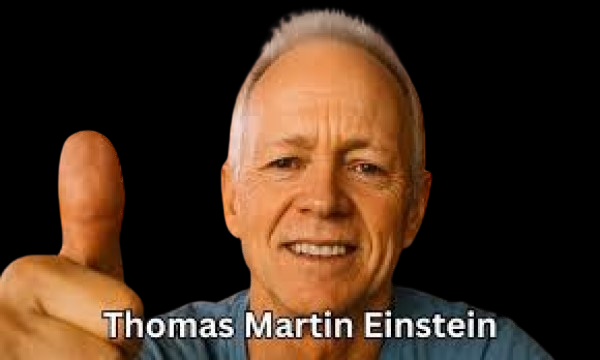
Thomas Martin Einstein is a real individual, but not in the way many online sources suggest. According to documented genealogical records, he is a descendant of the Einstein family, specifically the son of Bernhard Einstein.
He was born in 1955 in Switzerland and is part of the extended Einstein lineage. However, there is no credible evidence that he is a widely recognized public intellectual, scientist, or influential thinker in the way many online articles claim.
This distinction is important: while the name is real, many narratives about his supposed achievements appear exaggerated or entirely unverified.
The Origin of the Confusion
The confusion surrounding Thomas Martin Einstein largely stems from misinformation and misinterpretation. Some online content portrays him as:
- A philosopher
- A scientific innovator
- A major intellectual figure
However, these claims are not supported by reliable academic or historical sources. Instead, they appear to originate from low-quality or AI-generated content that blends fiction with fragments of real family history.
Because the Einstein surname carries immense weight, even minor or lesser-known family members can quickly become the subject of exaggerated storytelling.
The Real Einstein Legacy
To understand why Thomas Martin Einstein attracts attention, it’s essential to look at the legacy of Albert Einstein.
Albert Einstein revolutionized modern science through:
- The theory of relativity
- The equation E = mc²
- Contributions to quantum physics
His work earned him the Nobel Prize in Physics and made his name synonymous with genius.
Because of this immense legacy, any individual connected to the Einstein family naturally draws public interest—even if they are not historically prominent.
Einstein Family Lineage and Verified Members
The Einstein family includes several documented individuals who pursued scientific or technical careers. For example:
- Hans Albert Einstein was a respected engineer and professor known for his work in hydraulic engineering.
- Bernhard Einstein contributed to technological innovation, particularly in engineering fields.
Thomas Martin Einstein belongs to this extended family tree, but unlike some relatives, he does not have widely recognized academic or professional achievements documented in public records.
Why Thomas Martin Einstein Captivates Global Curiosity
Despite limited verified information, the name continues to trend online. Several factors explain this phenomenon:
1. The Power of the Einstein Name
The surname “Einstein” is globally associated with intelligence and innovation. Any connection to it instantly sparks curiosity and attention.
2. The Appeal of Hidden Figures
People are naturally intrigued by the idea of undiscovered or overlooked geniuses. The possibility that someone like Thomas Martin Einstein might hold hidden brilliance fuels ongoing interest.
3. SEO and Digital Amplification
Search engines and online platforms amplify trending keywords. Once a name begins gaining traction, it becomes self-reinforcing through repeated searches and content creation.
4. Blending of Fact and Fiction
Modern digital content often mixes verified information with speculation. Over time, repeated claims—even if inaccurate—can appear credible to readers.
The Role of Misinformation in the Digital Age
The story of Thomas Martin Einstein highlights how misinformation spreads online. When content lacks proper verification, it can:
- Mislead readers
- Distort historical understanding
- Create fictional narratives that feel real
This is especially common when dealing with famous families, where lesser-known individuals can easily become the subject of exaggerated claims.
Could Thomas Martin Einstein Be Misrepresented?
Yes—and that is likely the case. While he is a real person within the Einstein family, the portrayal of him as a major intellectual or influential thinker appears to be largely fictional or unsupported.
It is possible that:
- His identity has been exaggerated for content creation
- His name has been confused with other individuals
- Fictional narratives have been built around a real but private person
Lessons from the Thomas Martin Einstein Phenomenon
The growing interest in Thomas Martin Einstein offers several key lessons:
- Not everything widely searched online is factual
- Famous surnames can amplify misinformation
- Critical thinking is essential when evaluating online content
It also shows how quickly narratives can form in the absence of verified information.
The Enduring Influence of the Einstein Name
Even without confirmed achievements, the attention surrounding Thomas Martin Einstein reflects the enduring influence of the Einstein legacy. The name continues to symbolize:
- Intellectual curiosity
- Scientific brilliance
- Cultural significance
This ensures that any individual connected to the Einstein family will continue to attract interest.
Conclusion
Thomas Martin Einstein is a real member of the Einstein family, but the widespread claims about his achievements are largely unverified. His growing popularity highlights the powerful combination of curiosity, digital trends, and the lasting impact of a legendary surname.
Ultimately, the fascination with Thomas Martin Einstein is less about documented accomplishments and more about how modern audiences engage with legacy, identity, and information in the digital age. By focusing on verified facts, readers can better distinguish between reality and speculation while appreciating the true contributions of figures like Albert Einstein.