We live in an era where machines write poetry, code, and even full-length novels. While this technological leap offers incredible speed, it brings a new challenge: how do you know if a human actually wrote what you are reading? Authenticity matters more than ever. Whether you run a blog, grade student papers, or manage a brand, verifying the human touch in writing is essential.
This is where an AI checker steps in. These tools act as digital detectives, scanning text to distinguish between human creativity and algorithmic generation. If you want to maintain trust and ensure originality, understanding these tools is the first step.
What is an AI Checker?
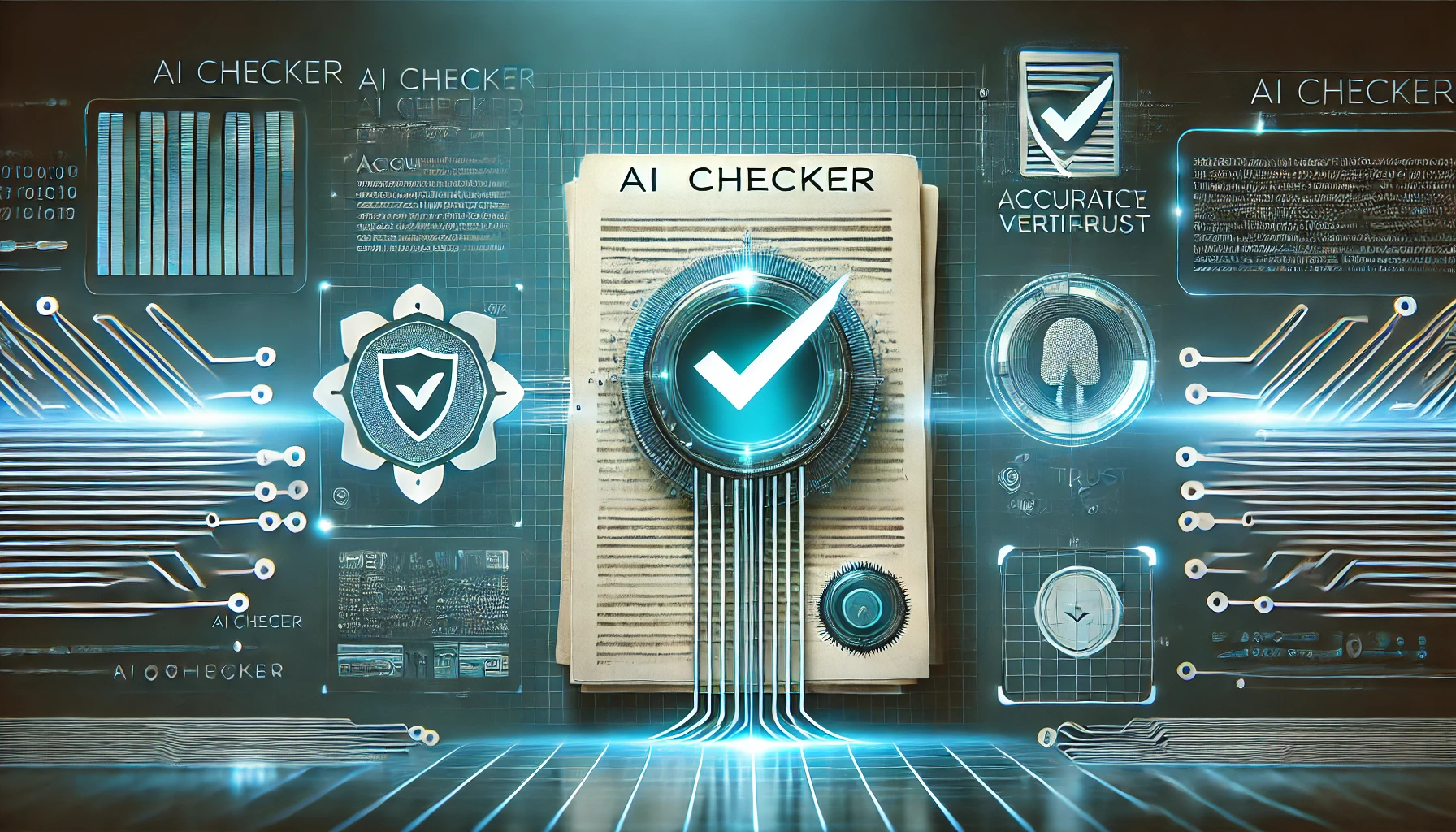
An AI checker is a specialized software tool designed to analyze text and determine its origin. Think of it as a reverse-engineering tool for writing. While AI generators like ChatGPT create text based on patterns, an AI checker looks for those exact patterns to flag content as potentially machine-generated.
These tools do not simply guess. They calculate the probability that a specific string of words came from an AI model. Content creators, educators, and SEO specialists use an AI checker to verify that work remains authentic and unique. It is not just about catching cheating; it is about preserving the nuance and “soul” that human writers bring to their work.
How Does an AI Checker Work?
You might wonder how software can tell the difference between a person and a machine. It comes down to two main concepts: perplexity and burstiness.
Perplexity
Perplexity measures how unpredictable a piece of text is to an AI model. AI generators aim for low perplexity; they choose words that logically follow one another based on training data. Human writing, however, is often chaotic and complex. We use metaphors, unusual sentence structures, and creative phrasing. An AI checker analyzes the text and assigns a score. High perplexity suggests a human wrote it, while low perplexity points to a machine.
Burstiness
Burstiness refers to the variation in sentence structure and length. AI models tend to be monotonous. They write sentences of similar length and rhythm, creating a flat tone. Humans are “bursty.” We write short sentences. Then, we follow them up with long, winding explanations that explore complex ideas in depth. An AI checker scans for this variation. If the text lacks rhythm and flows too smoothly without variation, the tool flags it as AI-generated.
Benefits of Using an AI Checker
Implementing an AI checker into your editorial or grading workflow offers significant advantages. It goes beyond simple detection; it protects integrity.
Protecting SEO Rankings
Search engines prioritize high-quality, helpful content written for humans. While Google does not inherently ban AI content, it penalizes spammy, low-value automated text. By using an AI checker, you ensure your content meets the quality standards required to rank well. You avoid publishing robotic text that engages no one and hurts your site’s reputation.
Ensuring Academic and Professional Integrity
For educators, an AI checker helps uphold academic standards. It ensures students develop critical thinking and writing skills rather than relying on shortcuts. In the professional world, it guarantees that freelancers and contractors deliver the original work you paid for.
Building Audience Trust
Readers value authenticity. If your audience suspects your blog or newsletter is entirely automated, their trust diminishes. verifying your content with an AI checker helps you maintain a genuine voice that resonates with real people.
Top AI Checker Tools to Explore
The market is full of options, each offering different features for different needs. Here are a few types of tools you might encounter when looking for a reliable AI checker.
Copyleaks
Copyleaks is widely recognized for its enterprise-level solutions. It offers detailed reports that highlight specific sections of text that appear AI-generated. It is a favorite among educational institutions and large publishers because it detects content from various models, including GPT-4 and Bard.
ZeroGPT
For users who need a quick, accessible option, ZeroGPT offers a straightforward interface. You simply paste your text, and it provides a percentage score indicating the likelihood of AI involvement. It is a solid choice for casual users or freelancers checking their own work before submission.
Originality.ai
This tool targets web publishers and content marketers specifically. It combines an AI checker with a plagiarism detector. Originality.ai is known for its aggressive detection capabilities, making it a strict gatekeeper for anyone serious about publishing only human-written content.
Winston AI
Winston AI focuses on clarity. It provides a readability score alongside its AI detection metrics. This helps writers understand not just if a machine wrote the text, but how readable that text is for a human audience.
Conclusion
The rise of generative AI changes how we produce text, but it should not erase the value of human insight. An AI checker is a vital tool in this new landscape. It helps you distinguish between algorithmic output and genuine human thought.
By understanding how these tools work and integrating them into your workflow, you protect your reputation, your SEO rankings, and the integrity of your work. Don’t just trust the text on your screen—verify it. Start exploring an AI checker today and ensure your content remains authentically yours.