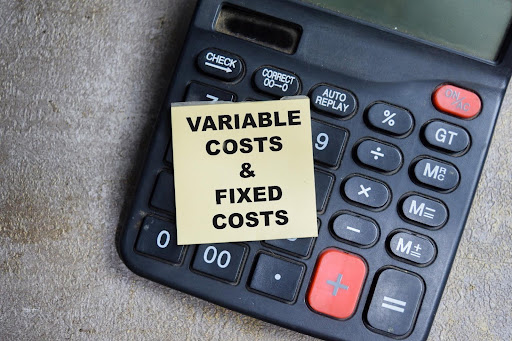
Deciding between fixed and variable commercial lending rates is among the most critical decisions business owners have to make. The right structure affects your monthly payment, but not just that, it’s also about the impact it has on borrowing costs over the long run, cash flow predictability, and the overall financial well-being of your business. With interest rates that are continually changing with economic outlooks and federal regulations, knowing how to negotiate these opinions has never been more important.
In this guidebook, we’ll discuss what makes both fixed and variable commercial lending rates different; how these rates will differ based on which rate you choose; and provide insight into which rate would be ideal for your business. No matter if it’s business loan lending rates you’re researching to finance business growth or small business lending rates to provide capital to finance your business, it’ll be easier to make your decision after reading this guidebook.
What Do Fixed Commercial Lending Rates Mean?
The fixed commercial lending rates remain unchanged and do not depend on the loan tenor. In other words, your lending rate, installment payment, and loan schedule all remain the same from the time your loan agreement document is signed.
Advantages of Fixed Rates:
- Cash flow stability: The monthly payments remain constant; this makes it easier for you to budget your business costs since there will be fewer surprises in terms of expenses.
- Long-term predictability: If it’s probable that your business looks to meet goals on a multi-year cycle or it’s operating on restricted budgets, then a fixed rate will protect your business from market fluctuations.
- Reduced risks associated with exposure: The companies that deal in areas that have widely fluctuating revenues, for example, in retailing and hospitality-related services, would be the ones that have most to benefit from payment reliability.
Possible disadvantages:
- Fixed commercial lending rates may be higher initially than variable ones.
- In case the market interest rates go down, you will not take automatic advantage of this unless you refinance.
What Are Variable Commercial Lending Rates?
In variable commercial lending rates, changes occur from time to time depending on market index values like SOFR or the Prime Rate. The rate changes monthly, quarterly, or annually, depending on the loan contract.
Advantages of Variable Rates:
- Lower upfront costs: Variable loans have lower business loan lending rates to begin with; hence, they are ideal for short-term borrowings.
- Potential Savings: A decrease in interest rates may result in lower costs of borrowing for you.
- Flexibility for high-growth businesses: A firm expanding quickly may like variable rates since its increased revenues can stabilize rate variations.
Potential drawbacks:
- Increased uncertainty affecting budget preparation.
- Payments can break out if market rates shoot up.
- Long-term financial planning becomes even more complicated.
Evaluating Long-Term Costs: Fixed or Variable
When weighing fixed and variable commercial lending rates, costs in the long term are often based on economic cycles. A fixed-rate loan will cost you more upfront but will insulate you from inflation, as well as increases in interest rates. Conversely, a variable loan may save you money in the short term at the expense of higher amounts when interest rates start to ramp up. To help facilitate your decision regarding which structure may be better for you, you might ask yourself:
- Current Federal Reserve policy
- What analysts are projecting over the next 2–5 years
- Your industry’s resiliency
- Your revenue volatility
Cash Flow Stability: A Critical Element
Cash flow is life to a business. A fixed commercial lending rate provides business enterprises with the needed predictability to be able to fund their workers and organize their expenditure costs. Fixed loan rates provide business enterprises with much-needed predictability. At the same time, variable-rate business loan lending rates will be ideal for companies that have strong cash reserves and flexible budgeting processes. You can benefit from variable-rate business loans if your business can withstand fluctuations in business loan lending rates.
Which Option Is Right for Your Business?
To optimize performance for all of your loans, ask yourself these questions:
- Do I need predictable payments?
- Can my business absorb fluctuating costs?
- What do current commercial lending rates reflect about future market tendencies?
- What kind of loan do I have?
Fixed rates of interest would be ideal for companies looking to have predictable costs and be safeguarded from market fluctuations for long-term stability. Variable rates would be ideal in situations where lower interest rates are forecasted in the future or if there are fluctuations in cash flow for a short period of time.
Conclusion
In this evolving financial era, it’s not just about what kind of rate to choose between variable and fixed business loan rates, but rather about pursuing a vision for your business in the future. Knowledge of your level of acceptable risk, observing industry developments, and estimating market developments will guide and empower you to make decisions about what kind of loan would be very favorable to your business success.