
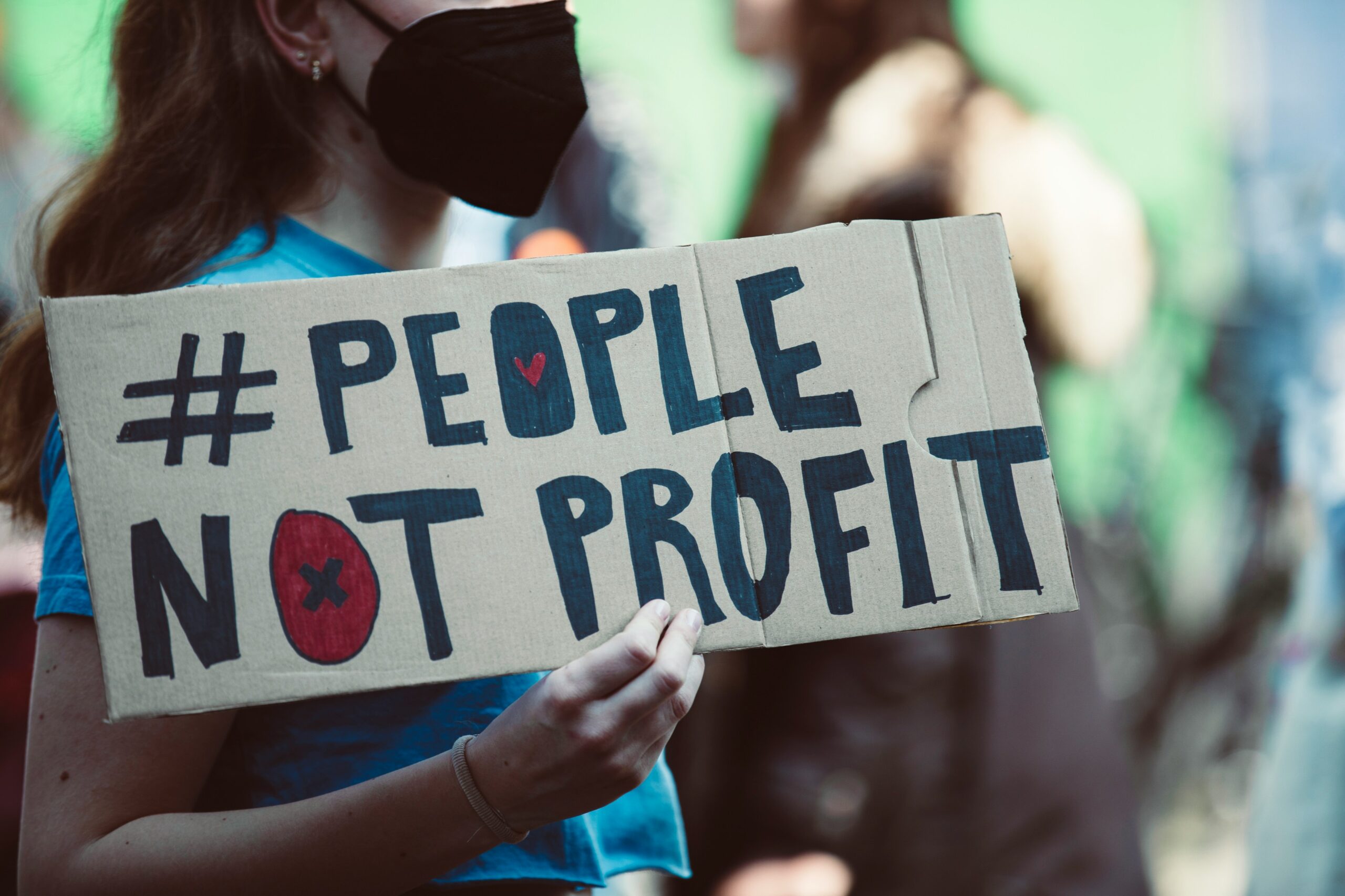
Charitable giving in the UK doesn’t follow a flat curve as it moves in waves. Certain periods of the year naturally attract increased involvement, which is typically linked to cultural events, religious gatherings, or even colder seasons when suffering becomes more obvious. What has changed in recent years is not the aim of giving, but how individuals approach it, such as being more attentive, choosy, and sensitive of the impact.
How Religious Calendars Quietly Shape Giving
In a country as diverse as the UK, charitable habits are closely linked to religious calendars, even if it’s not always openly discussed.
During Christmas, giving becomes almost instinctive.Donation bins start to appear in supermarkets, local community drives pick up steam, and food banks are operating at full capacity. There is an apparent shift in routine and behavioural patterns, such as individuals being more conscious of problems like food insecurity, particularly in the winter when the need seems more pressing and more difficult to ignore.
In Muslim societies, charity takes on a new structure during Ramadan and Eid al-Adha. While Eid al-Adha has a greater emphasis and is time-bound, Ramadan promotes regular, modest acts of kindness over the course of a month. Additionally, there is a greater focus on making sure that donations are managed appropriately, including being distributed fairly and arriving at the right locations where needed.
Then comes Diwali, where giving is tied to ideas of renewal and responsibility. Contributions here are often less visible publicly but remain consistent, supporting both local initiatives and causes abroad.
Giving in the UK isn’t tied to one moment;different religious and cultural events keep it active throughout the year.
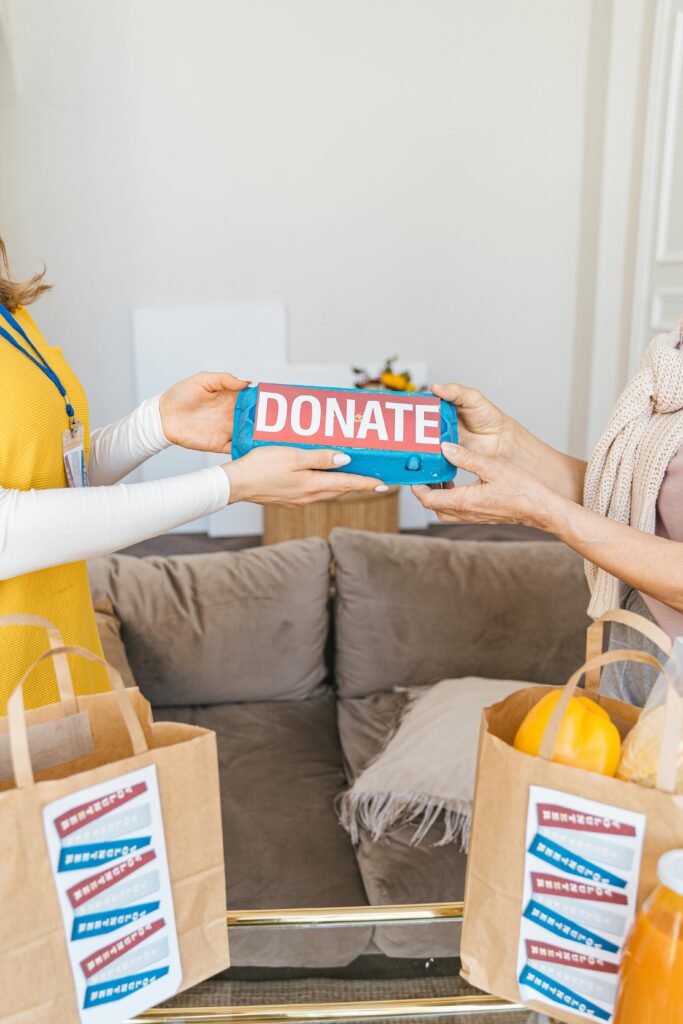
Giving Has Gone Digital And That Changes Behaviour
The shift to online giving isn’t new, but it’s now fully embedded. What used to be a spontaneous act, such as dropping cash into a collection box,is increasingly planned and tracked.
Donors now expect basic things:
- Clarity on where the money goes
- Confirmation that it reached someone
- Some form of visible impact
Data fromGov.ukpoints to growing trust in organisations that provide this level of transparency, particularly among younger contributors who are less likely to give without checking credibility first. This matters more during religious or seasonal campaigns where timing is tight. Delays or uncertainty can reduce participation. As a result, many donors lean toward structured platforms that remove guesswork entirely.
Seasonal Giving Still Drives Action
There’s been a push toward year-round donations, but seasonal giving hasn’t lost relevance. If anything, it still drives the highest engagement. That’s because timing simplifies decisions. People don’t need to think too much about whether to give or not.
During Eid al-Adha, for instance, participation in organised programs continues to increase. Many prefer using established channels like UKIM qurbanias it removes uncertainty around sourcing, distribution, and timing, which are all of the three areas that matter most during this period. The key point here isn’t the platform itself, but the behaviour behind it: people are choosing systems over guesswork.
Trust Is No Longer Optional
There’s a noticeable shift in how donors evaluate charities. Emotional storytelling still works, but it’s no longer enough on its own. People want specifics:
- Where exactly is the donation going?
- Who benefits from it?
- How quickly is it delivered?
If those answers aren’t clear, hesitation kicks in.This is especially relevant in the UK, where donors often split contributions between local and international causes. Without transparency, trust drops,and once that happens, it’s difficult to rebuild.
A More Connected, Year-Round Cycle
One overlooked aspect of the UK’s charity landscape is how evenly giving is spread across the year. Because of its multicultural population, there’s always a relevant moment driving some form of contribution. This creates consistency:
- Campaigns don’t rely on a single peak season
- Engagement remains steady
- Different communities support causes in different ways
Where Things Are Heading
Giving in the UK is becoming more deliberate. People are still generous, but less impulsive. There’s more planning involved, more scrutiny, and a stronger preference for systems that show results.
Seasonal moments, such as Christmas, Ramadan, and Diwali, will continue to drive participation. That won’t change. What will continue to evolve is how people choose to give within those moments.
The organisations that keep up are the ones that make things simple, transparent, and reliable. The ones that don’t tend to fade into the background, regardless of how strong their messaging is.