
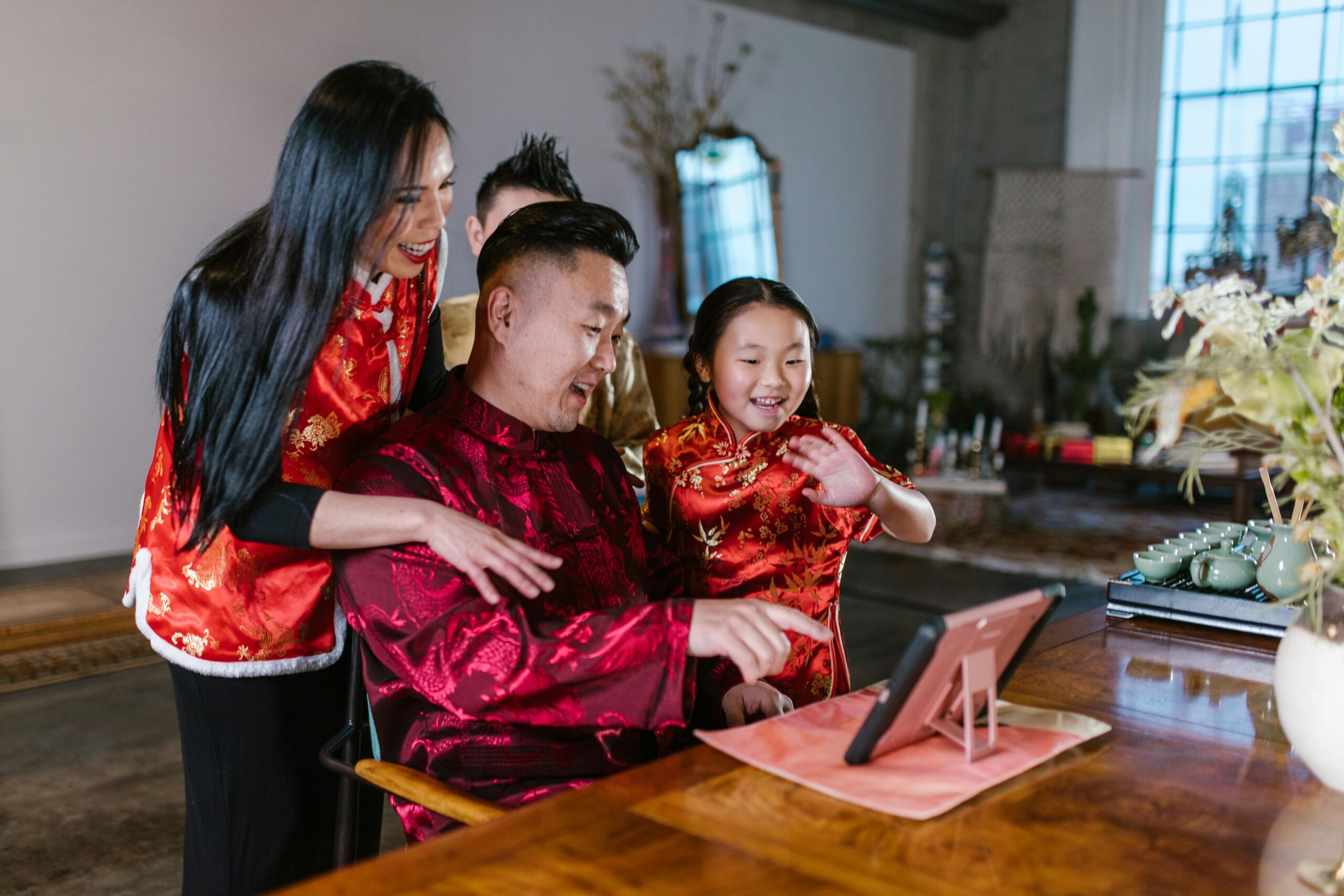
Traditions change over time. What’s different now is how fast that change is happening. What’s different now is how quickly that adjustment is happening. A lot of what used to require being physically present, such as standing in a place or following a local routine,is no longer restricted in the same way.
The difference shows up in how people now participate. Access has changed the experience. Being part of something no longer depends entirely on location.
Digital Access Is Redefining Participation
The most obvious change is how people show up. Religious events that were once tied to a specific location are now being followed from anywhere. Major Christian observances like Easter or Christmas, often streamed by institutions such as the Vatican, are watched by people who may never physically attend. That wasn’t common a decade ago.
A similar pattern is visible in Hindu traditions. Festivals like Diwali and Navratri are still celebrated in temples, but livestreams and virtual access have become part of the experience,especially for those living abroad. It’s not a replacement, just another way to stay connected.
In Chinese and Japanese traditions, the shift looks more practical than visible. Lunar-based events rely on timing, and that timing is now easier to track. Instead of relying on word-of-mouth or printed calendars, people check platforms like Time and Date to confirm dates instantly.
It’s a small habit change, but it removes uncertainty.

The Process Behind Traditions Is Getting Smoother
What’s changing isn’t just how people participate;it’s how everything is managed behind the scenes. Many religious practices involve some level of planning. Prayer timings, charitable calculations, and festival preparation, these used to require manual effort or local guidance. Now they’re handled through apps or simple tools.
Islamic practices, for example, are supported by apps that calculate prayer times or zakat. Hindu users rely on digital panchang calendars. Jewish communities track observances through online systems aligned with the Hebrew calendar.None of this changes the meaning of the practice. It just reduces the effort needed to stay consistent.
Giving has followed the same path. What once required physical coordination is now handled digitally. That matters more than it sounds, especially during specific religious periods where timing and distribution are important. For instance, many people now choose to donate qurbanionline. It removes the logistical pressure while still making sure the process is carried out properly. The intention stays the same; the method adapts.
Accuracy Has Quietly Improved
Traditions tied to lunar cycles have always carried a bit of uncertainty. Different regions, different interpretations, it wasn’t always perfectly aligned. That gap has narrowed.
With access to astronomical data, often supported by organisations like NASA, key dates like Ramadan, Easter, or Chinese New Year are now predicted with far more consistency. It doesn’t eliminate variation completely, but it reduces confusion. People are less likely to second-guess dates or rely on last-minute confirmations. There’s more clarity upfront.
Visibility Has Changed the Way Traditions Are Seen
Another shift is how visible everything has become. Religious and cultural events used to stay within communities. Now they extend beyond them. Social media plays a role here, but not in an obvious way;it’s less about promotion and more about exposure.
Moments are shared. Practices are explained. Campaigns around giving or awareness travel further than they used to. When influencers or public figures engage, that reach expands even more.
This has changed how younger audiences interact with traditions. Participation isn’t limited to attending or observing;it includes sharing, supporting, or even just understanding.
Brands Are No Longer Sitting on the Side
Additionally, it’s difficult to overlook the business aspect. Companies have been more purposefully linking themselves with religious and cultural events. Campaigns that take place around Ramadan, Diwali, or Christmas sometimes involve some kind of contribution, such as discounts associated with donations, matched giving, or programs that offer products or services for free.
A portion of this is strategic and smart rather than just giving. However, it represents a change in expectations. Consumers are aware of both meaningful brand engagement and when they don’t.
Where Things Are Settling
Tradition isn’t becoming digital. It’s becoming flexible.Physical spaces still matter, such as places of worship, gatherings, and shared rituals. That hasn’t changed. What has changed is that these are no longer the only way to participate.
Digital access has added another layer. It doesn’t replace the original experience, but it extends it. What’s forming now is a mix. Part physical, part digital. Less restricted, more accessible. Not necessarily different in meaning, just easier to be part of.