You spent three years building that account. Rare skins, ranked achievements, a library of purchased titles worth hundreds of dollars. Then one morning it’s gone. Someone else is using your handle, your items have been transferred out, and the platform’s support queue is six days long. This isn’t a rare horror story. It’s happening to millions of players every year, and the attacks are getting harder to spot.
Cybercriminals have discovered what marketers figured out decades ago: gamers are an exceptionally engaged, high-value audience. And right now, they’re one of the easiest to target.
Gaming Accounts Are Worth More Than You Think
The assumption that gaming accounts don’t hold real value is exactly what makes gamers easy targets. In reality, a well-developed account on a major platform can be worth hundreds or even thousands of dollars on underground markets. Rare in-game items, currency balances, linked payment methods, and saved credentials for streaming services all make gaming profiles attractive packages for resale.
Stolen credentials are now the leading initial access vector in data breaches globally, accounting for 22% of all confirmed incidents in 2025. And gaming platforms, with their massive user bases and inconsistent security hygiene among players, have become a primary hunting ground.
The Attack Surface Is Enormous
The global gaming industry now serves over 2.5 billion players worldwide. That scale creates an attack surface that no security team can fully cover. Every login endpoint, every in-game chat feature, every third-party mod site is a potential entry point. And unlike banking platforms that enforce multi-factor authentication, many gaming environments still treat security as optional.
Cybercriminals take full advantage of that gap. Fake Steam, PlayStation, and Xbox login pages circulated widely across Discord servers and social media throughout 2025, often disguised as giveaways or beta invitations. Players clicked, entered their credentials, and handed over access without realizing it.
How the Attacks Actually Work
Most credential theft targeting gamers doesn’t involve sophisticated hacking. It relies on social engineering, malware distribution, and the simple fact that gamers spend a lot of time downloading things from sources they don’t fully vet.
Malware disguised as cheat tools, mods, and cracked game files was one of the most active attack vectors in 2025. Once installed, these programs harvest saved browser passwords, Steam session tokens, Discord login data, and cryptocurrency wallet keys before quietly exiting. The player notices nothing until their account starts behaving strangely.
Phishing Through the Community Itself
What makes gaming-targeted phishing particularly effective is that it travels through trusted channels. A Discord message from someone in your gaming group, a Reddit post in a community you follow, a link shared in a Twitch chat. Because these platforms feel familiar, players lower their guard in ways they wouldn’t on email.
Phishing attacks using generative AI to craft convincing lures increased by 202% between June and November 2025. The misspelled, obviously fake messages of years past are being replaced by near-perfect imitations of official communications.
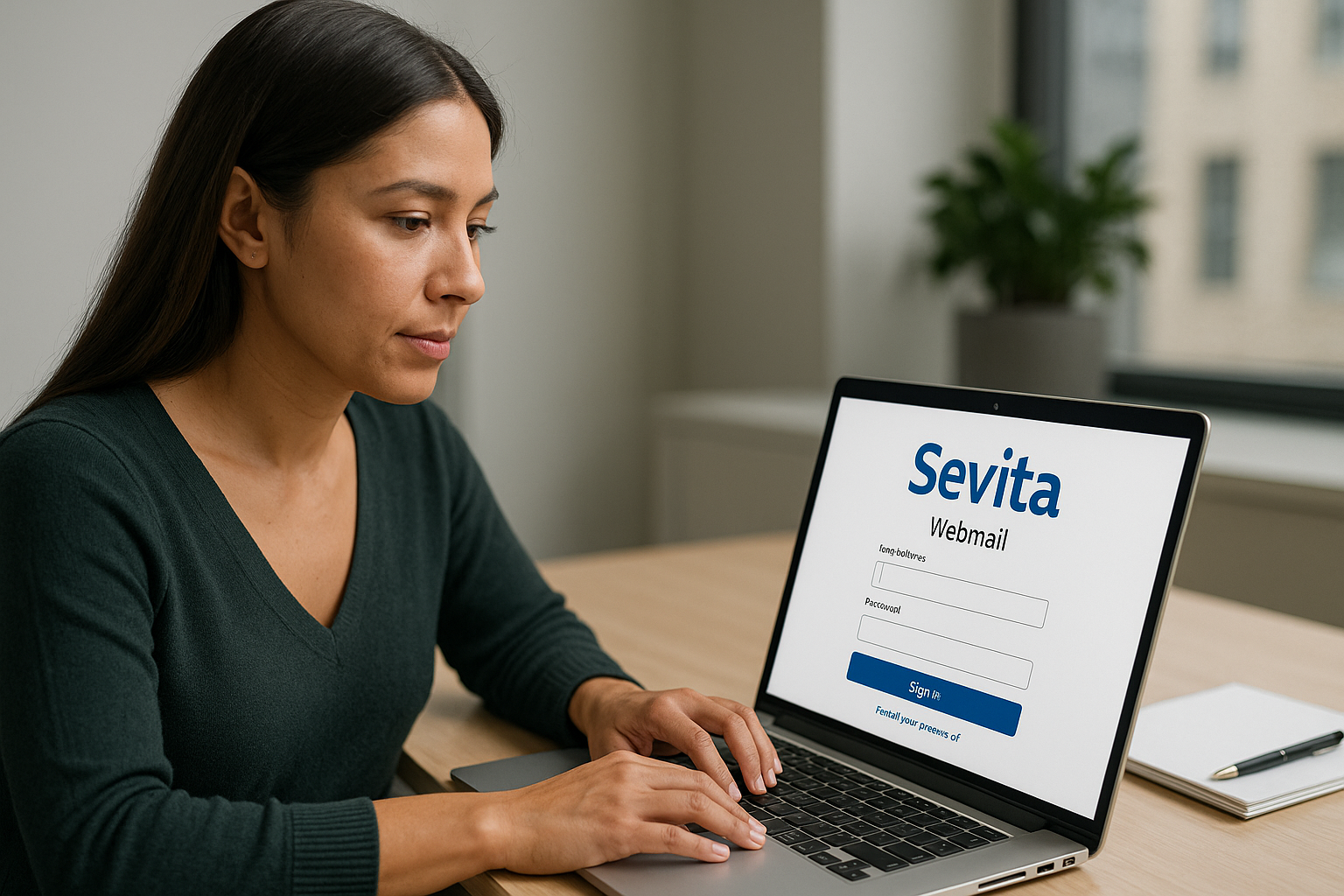
A fake “account verification” email from what looks exactly like a legitimate gaming platform is now genuinely difficult to distinguish from the real thing.
For players connecting through open networks at gaming cafes, tournaments, or shared accommodation, the risk compounds further. Unencrypted connections make session data visible to anyone on the same network. Using a VPN for online gaming encrypts that traffic at the connection level, preventing session hijacking even on networks the player doesn’t control.
The Real Cost of a Compromised Account
Players who lose accounts often assume they can recover them quickly. The reality is far messier. Platform support queues are long, verification processes are slow, and in many cases accounts are stripped bare or sold before the original owner even files a complaint.
The financial cost is obvious: lost in-game purchases, stolen currency, linked payment methods exposed. But the personal cost is harder to quantify. Years of playtime, community standing, and digital achievements that can’t simply be replaced. For competitive players, a compromised account can mean losing ranked progress that took years to build.
Beyond the individual impact, gaming platforms face cascading consequences. Every breach damages player trust, creates liability exposure around linked payment data, and contributes to the broader erosion of platform security credibility.
What Smarter Habits Actually Look Like
The good news is that most gaming account compromises are preventable. The habits that protect players aren’t complicated, but they do require consistent follow-through.
Using a unique, complex password for every gaming platform is a baseline. Password reuse is one of the most exploited behaviors in credential theft, because once attackers have credentials from one breach, they test them automatically across dozens of other services.
Enabling two-factor authentication wherever it’s available adds a critical second barrier. Even if credentials are stolen, a second verification step blocks unauthorized access in most cases.
Being selective about downloads matters just as much. Cheat tools, unofficial mods, and files from unverified sources carry real risk. If the source isn’t one you’d trust with your login credentials, you probably shouldn’t trust it with a file that runs on your machine either.
Protecting the Connection Itself
For players who play across multiple networks, connection security is an often overlooked layer. PureVPN masks your IP address, protects traffic from interception on shared networks, and makes it significantly harder for attackers to correlate your identity across platforms or launch targeted DDoS attacks against your connection during play.
It won’t stop every threat. But it closes some of the easiest entry points that attackers currently exploit at scale.
The Threat Is Only Going to Grow
As gaming continues to embed financial infrastructure, from in-game economies to NFT based assets to direct payment integrations, the value of individual accounts will keep rising. That means the attention from cybercriminals will keep rising too.
The players who understand this now, and who treat their gaming accounts with the same seriousness they’d give a financial account, are the ones who won’t be filing support tickets wondering where three years of progress just went.