
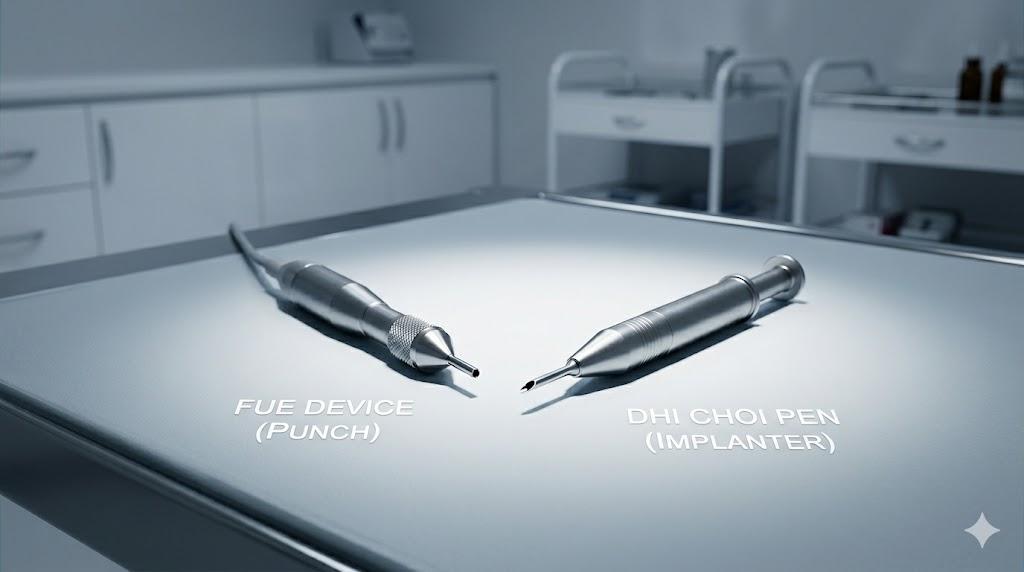
A professional surgical plan begins with a deep analysis of the underlying causes of thinning. Medical teams identify whether the loss is permanent or requires biological support before proceeding with surgery. This diagnostic phase prevents unnecessary procedures and protects the patient’s donor area for the future. The final goal is to create a realistic appearance that matches the patient’s age and facial structure.
What Are the Primary Differences Between FUE and DHI?
Selecting the right Hair Transplant Methods depends on the current stage of thinning and the desired visual volume. Follicular Unit Extraction (FUE) involves a two-step process where tiny channels are created before grafts are manually placed. This approach is highly effective for covering large bald areas during a single surgical session.
Direct Hair Implantation (DHI) offers a more streamlined approach by combining channel creation and placement into one step. Surgeons use a specialized tool to insert follicles at exact angles to mimic natural hair flow. This level of precision is particularly beneficial for restoring the frontal hairline or temporal peaks. Both methods aim to minimize tissue trauma and provide permanent results.
| Technical Feature | Follicular Unit Extraction (FUE) | Direct Hair Implantation (DHI) |
| Implantation Tool | Forceps or manual tools | Specialized Choi implanter pen |
| Best Result For | Large bald areas and high volume | High density hairlines and temples |
| Channel Creation | Pre-made incisions required | Simultaneous channel and placement |
| Shaving Required | Usually full scalp shaving | Often possible with partial shaving |
How Do Global Hair Transplant Statistics Influence Success Rates?
Reviewing Hair Transplant Statistics reveals that modern microsurgical methods have a success rate exceeding ninety percent. Success depends heavily on the biological vitality of the follicles while they stay outside the body. Leading facilities use chilled storage solutions to protect the hair roots during the transition period. This strict clinical oversight is a hallmark of a professional surgical facility.
Data shows that patients who combine surgery with restorative therapies often see faster integration of new grafts. Targeted nutrient delivery is frequently used to boost the vascular health of the recipient tissue. This holistic approach addresses both the current thinning and the long-term health of the native hair. Regular follow-up appointments allow the medical team to monitor this progress accurately.
Why Should Patients Choose a Professional Hair Transplant?
A professional Hair Transplant involves a comprehensive diagnostic phase to identify the biological cause of thinning. Specialists evaluate the donor area to confirm that enough healthy follicles are available for a permanent relocation. This objective assessment ensures that the restoration plan aligns with the anatomical limits of the individual. Using high-precision tools prevents mechanical damage to the delicate hair roots.
Accessing elite medical teams often leads British patients to explore specialized centers in mainland Europe. The Netherlands maintains rigorous healthcare standards and frequent audits for all outpatient surgical facilities. The city of Delft has established itself as a primary hub for individuals seeking advanced microsurgical precision. This professional environment supports a stress-free experience for the patient through every stage of the process.
A coordinated care model allows for initial assessments in the United Kingdom followed by expert surgery in Delft. This international pathway ensures that patients receive high-tier Dutch medical care with local British follow-up support. Continuity of care remains a priority to track graft integration and overall scalp health properly. This integrated system bridges the gap between UK consultations and Dutch surgical excellence.
What Are the Rules for a Successful Recovery After Surgery?
The first fourteen days after the operation dictate the final success of the relocated grafts. Patients must follow a specific list of clinical instructions to protect the delicate follicles. Adhering to these rules allows the skin to heal without unnecessary irritation or infection. The clinical team monitors progress remotely during the initial weeks of recovery to address any concerns.
Medical teams provide a comprehensive list of post-operative guidelines for every patient:
- Refrain from touching or scratching the treated areas for ten days.
- Use a prescribed saline spray to keep the graft sites clean and hydrated.
- Avoid sleeping directly on the newly implanted follicles to prevent displacement.
- Stay away from intense physical exercise that elevates systemic blood pressure.
- Protect the scalp from direct sunlight by wearing a loose-brimmed hat.
The transplanted hairs naturally shed within the first month as the follicles enter a temporary dormant phase. This is a normal part of the biological cycle and does not indicate a failure of the surgery. New growth begins to emerge around the fourth month and continues to thicken for up to a year. Regular communication with the surgical team supports a successful and predictable recovery.
Hair Transplant FAQs
How long does the recovery process take?
Most patients return to light office work within three to five days after the procedure. The initial healing of the skin takes about two weeks while the final aesthetic results appear after one year.
Is the hair relocation process painful?
Clinics use local anesthesia to numb the donor and recipient areas completely before the session begins. Patients remain awake and comfortable throughout the process and often feel only minor pressure during the extraction.
Can women undergo these procedures?
Surgical restoration is highly effective for women experiencing diffuse thinning or receding temporal peaks. DHI is often preferred for female patients as it often allows for treatment without fully shaving the scalp.
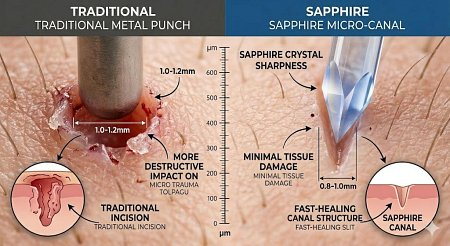
What is the difference between Sapphire FUE and traditional FUE?
Sapphire FUE uses blades made from a specific gemstone to create even smaller and more precise incisions. This technique reduces tissue trauma and leads to faster healing and higher density compared to steel blades.
Do the transplanted hairs fall out?
Transplanted hairs enter a temporary dormant phase known as shock loss within the first month. This is a normal biological reaction and permanent new growth begins to emerge around the fourth month.
Why choose a clinic in Delft?
The Delft facility offers high European medical safety standards and specialized expertise in DHI and FUE techniques. Patients benefit from a structured international care model that includes professional follow-up and transparent pricing.
What should I ask during a hair transplant consultation?
You should ask about the expected graft survival rate and the specific technique recommended for your hair type. It is also useful to discuss the long-term plan for your native hair to maintain overall density.