
Introduction
The idea of a perfect face has fascinated people for centuries. From ancient sculptures to modern social media, humans have always been curious about what makes a face attractive. Today, the topic is even more popular thanks to beauty apps, cosmetic procedures, and AI-powered face analysis tools. But is there really such a thing as a perfect face?
The answer is more complex than many people think. While scientific research has identified certain facial characteristics that many people find attractive, beauty is not determined by a single formula. Genetics, health, culture, personality, facial expressions, and even familiarity all influence how attractive someone appears. A truly attractive face is often a combination of healthy features, facial harmony, confidence, and individuality rather than mathematical perfection.
What Is a Perfect Face?
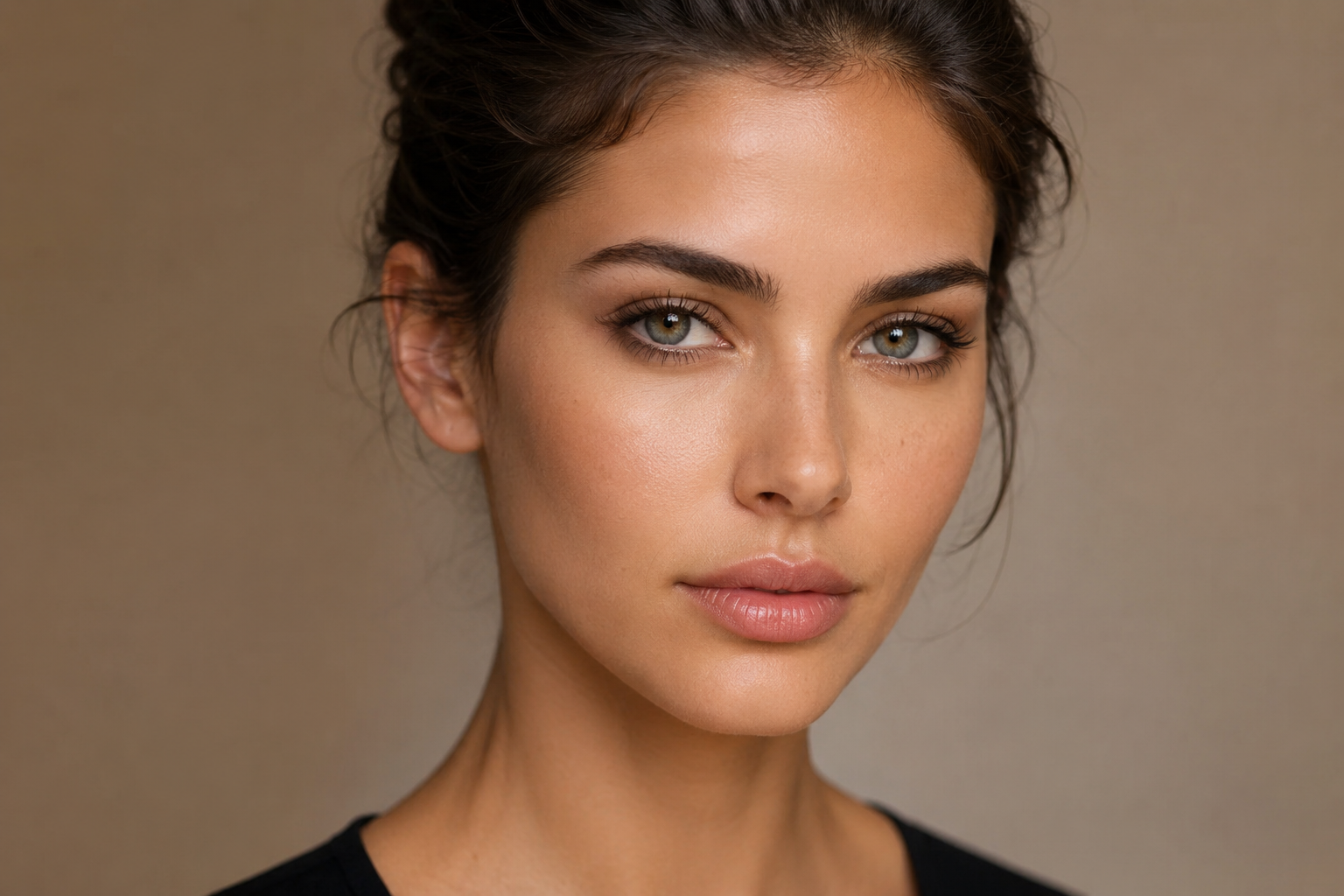
A perfect face is generally described as one with balanced proportions, facial harmony, healthy skin, and features that naturally complement one another. It does not necessarily mean flawless skin or complete facial symmetry. Instead, it refers to a face where different features work together in a pleasing and balanced way.
Scientists studying facial attractiveness often use the term “facial harmony” rather than perfection. This means that the eyes, nose, lips, jawline, forehead, and cheeks appear proportional to each other instead of any single feature being unusually large or small.
The Science Behind Facial Attractiveness
Researchers from psychology, biology, and evolutionary science have spent decades studying why certain faces appear more attractive than others. Although personal preferences vary, several traits consistently appear across many scientific studies.
Some of the most commonly observed characteristics include:
- Facial symmetry
- Balanced facial proportions
- Clear and healthy skin
- Youthful appearance
- Bright eyes
- Natural facial expressions
- Healthy hair and complexion
These features may subconsciously signal good health and genetic fitness, which helps explain why many people across different cultures tend to find them attractive.
Facial Symmetry: Why It Matters
One of the most discussed aspects of the perfect face is facial symmetry. Symmetry means that both sides of the face are relatively similar. However, almost nobody has a perfectly symmetrical face.
Research suggests that people generally prefer faces with moderate symmetry because symmetry can indicate healthy development. At the same time, scientists also emphasize that perfect symmetry is uncommon and not required for attractiveness. Small asymmetries actually make faces appear more natural and unique.
Facial Proportions and Balance
Rather than focusing on individual facial features, experts often evaluate how well all facial features fit together. Someone with an average-sized nose may still appear highly attractive if the nose matches the proportions of the eyes, lips, and jaw.
Balanced facial proportions often include:
- Even spacing between the eyes
- A proportionate nose
- Well-defined cheekbones
- A balanced jawline
- Lips that fit naturally with the rest of the face
This overall harmony is often considered more important than having one “perfect” feature.
The Golden Ratio and Facial Beauty
Many discussions about the perfect face mention the Golden Ratio, approximately 1.618, a mathematical proportion that appears throughout nature and architecture.
Some facial analysis tools compare facial measurements with the Golden Ratio to estimate attractiveness. While certain attractive faces may roughly follow these proportions, scientists agree that the Golden Ratio is not a universal rule for beauty. Human attractiveness is influenced by many biological, psychological, and cultural factors that cannot be reduced to a single number.
Healthy Skin Makes a Big Difference
One of the strongest predictors of facial attractiveness is healthy-looking skin. Research consistently shows that clear skin, even skin tone, and a natural complexion contribute significantly to how attractive a face appears.
Healthy skin often suggests:
- Good nutrition
- Proper hydration
- Adequate sleep
- Overall physical health
- Effective skincare habits
Unlike facial structure, skin quality can often be improved through healthy lifestyle choices and proper skincare.
Beauty Standards Around the World
Beauty standards are not identical across every culture. While some features like healthy skin and balanced facial proportions appear to be widely appreciated, many beauty ideals vary depending on cultural traditions, media influence, and historical preferences.
For example:
- Some cultures value fuller lips.
- Others prefer sharper jawlines.
- Certain regions appreciate softer facial features.
- Different skin tones are celebrated across different societies.
This diversity shows that there is no single global definition of the perfect face.
The Psychology of Attractive Faces
Psychologists have discovered that people form impressions of faces within milliseconds. Before someone even speaks, observers may unconsciously judge qualities such as friendliness, trustworthiness, confidence, and competence.
Interestingly, familiarity also plays a role. The more often people see a particular face, the more attractive they may begin to perceive it—a phenomenon known as the “mere exposure effect.” This demonstrates that attraction involves much more than physical appearance alone.
Does Personality Affect Facial Attractiveness?
Absolutely.
A person’s smile, confidence, kindness, and emotional expressions can dramatically change how attractive they appear. Two people with similar facial features may be perceived very differently depending on how they interact with others.
Positive personality traits often enhance attractiveness because facial expressions communicate warmth, confidence, and emotional intelligence. This explains why many people become more attractive over time as others get to know them better.
Social Media and the Myth of the Perfect Face
Social media has significantly influenced modern beauty standards. Filters, editing apps, AI enhancements, and cosmetic procedures have created unrealistic expectations of what a face should look like.
Many viral images are heavily edited, making comparisons unfair and sometimes harmful to self-esteem. As a result, more experts encourage people to appreciate natural facial diversity rather than chasing digitally created perfection.
Cosmetic Procedures and Facial Enhancement
Advancements in cosmetic dermatology and plastic surgery have made facial enhancement more accessible than ever. Common procedures include skin treatments, rhinoplasty, fillers, and jawline contouring.
While cosmetic treatments can improve specific concerns, qualified professionals generally emphasize maintaining natural facial harmony instead of dramatically altering someone’s appearance. The most successful outcomes typically enhance existing features rather than creating an artificial look.
Can You Naturally Improve Your Facial Appearance?
Although genetics determine much of facial structure, many aspects of facial appearance can improve naturally through healthy habits.
Helpful practices include:
- Getting enough sleep every night
- Drinking plenty of water
- Following a balanced diet
- Exercising regularly
- Protecting the skin from excessive sun exposure
- Maintaining a consistent skincare routine
- Managing stress
- Practicing good posture
- Smiling more often
These habits improve overall health, which is often reflected in facial appearance.
Common Myths About the Perfect Face
Several misconceptions continue to circulate online.
Myth 1: Perfect symmetry equals beauty.
Reality: Minor asymmetry is completely normal and often goes unnoticed.
Myth 2: Beauty can be measured by one formula.
Reality: No scientific formula can fully define attractiveness.
Myth 3: Attractive people all look the same.
Reality: Attractive faces come in countless shapes, sizes, and ethnic backgrounds.
Myth 4: Cosmetic surgery guarantees a perfect face.
Reality: Results vary, and natural facial harmony usually matters more than dramatic changes.
What Really Makes a Face Attractive?
After decades of scientific research, the answer is surprisingly simple. An attractive face is usually one that appears healthy, balanced, expressive, and authentic.
Factors that consistently contribute include:
- Healthy skin
- Balanced facial proportions
- Moderate facial symmetry
- Bright, expressive eyes
- Genuine smile
- Confidence
- Good physical health
- Positive personality
- Natural facial harmony
Rather than searching for impossible perfection, most experts encourage focusing on overall well-being and self-confidence.
Final Thoughts
The concept of the perfect face is a blend of science, psychology, biology, and culture. Research shows that balanced proportions, healthy skin, and facial harmony often influence attractiveness, but beauty is never determined by a single measurement or mathematical ratio. Individual preferences, cultural differences, personality, and emotional connection all play important roles in how people perceive beauty.
Ultimately, the most attractive faces are rarely those that are mathematically perfect. Instead, they are faces that express health, confidence, authenticity, and individuality. While science can explain certain patterns of attractiveness, true beauty remains wonderfully diverse, making every face unique in its own way.